
Bookbot

Umberto Eco

    5 stycznia 1932 – 19 lutego 2016
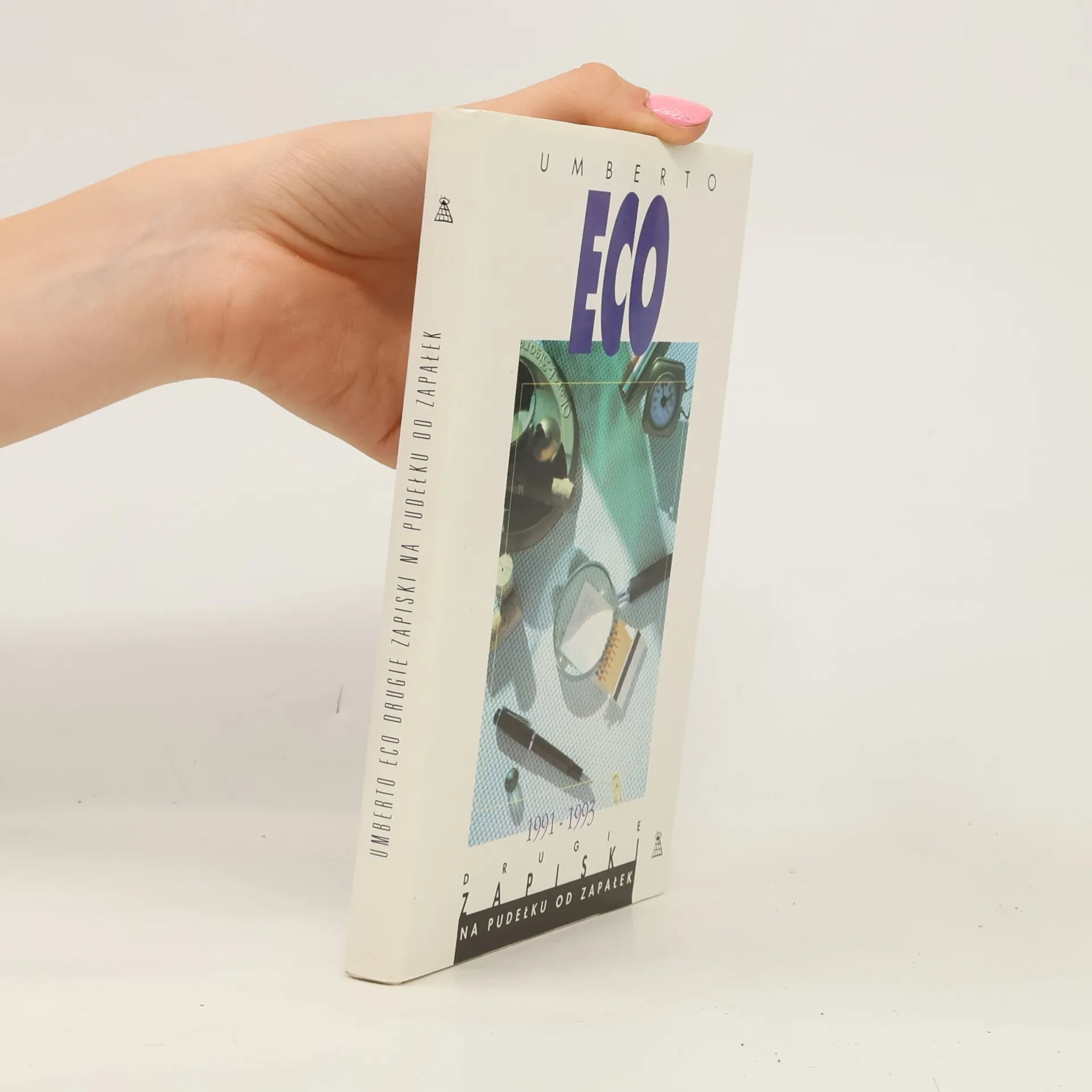
    Umberto Eco
    Drugie zapiski na pudełku od zapałek
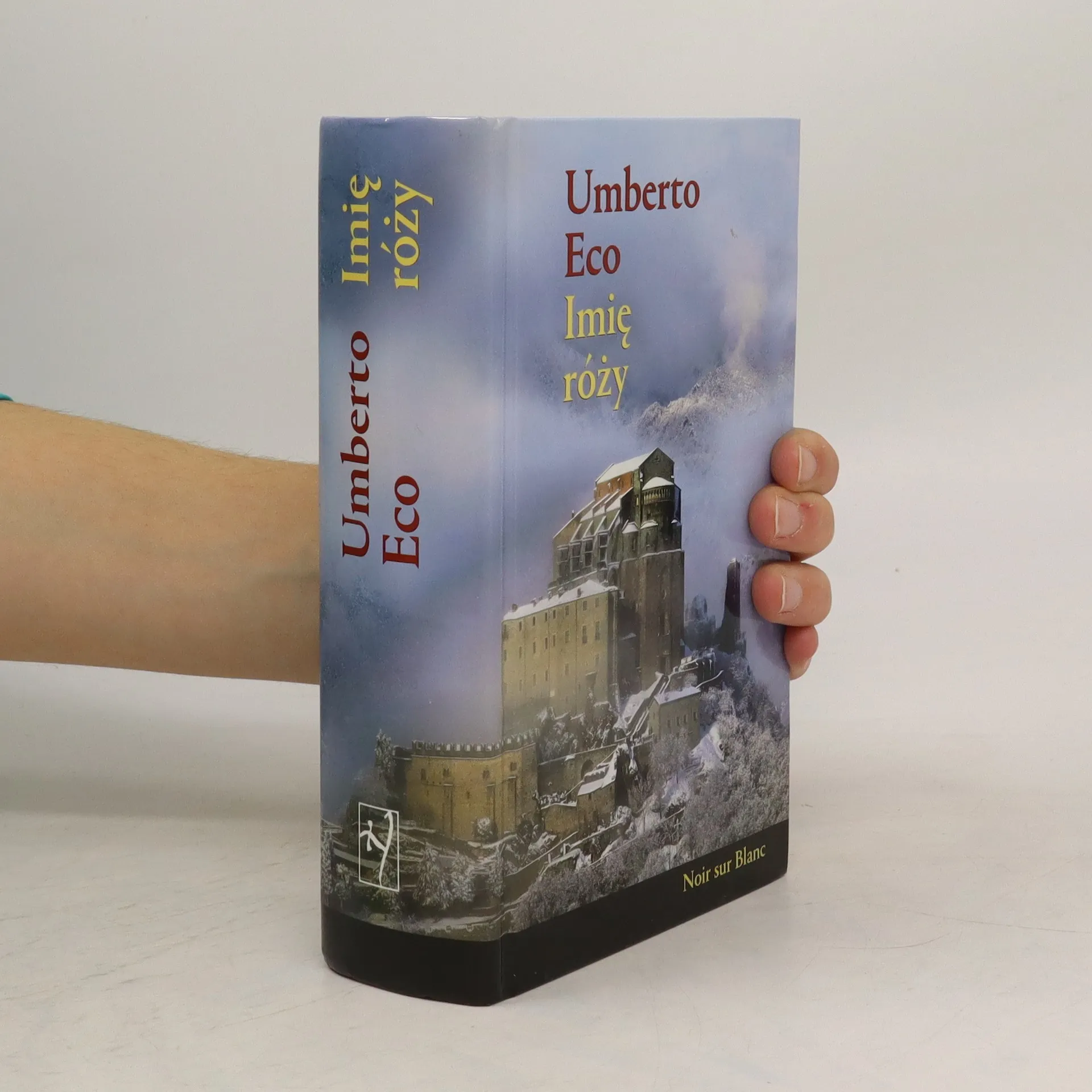
    Imię Róży
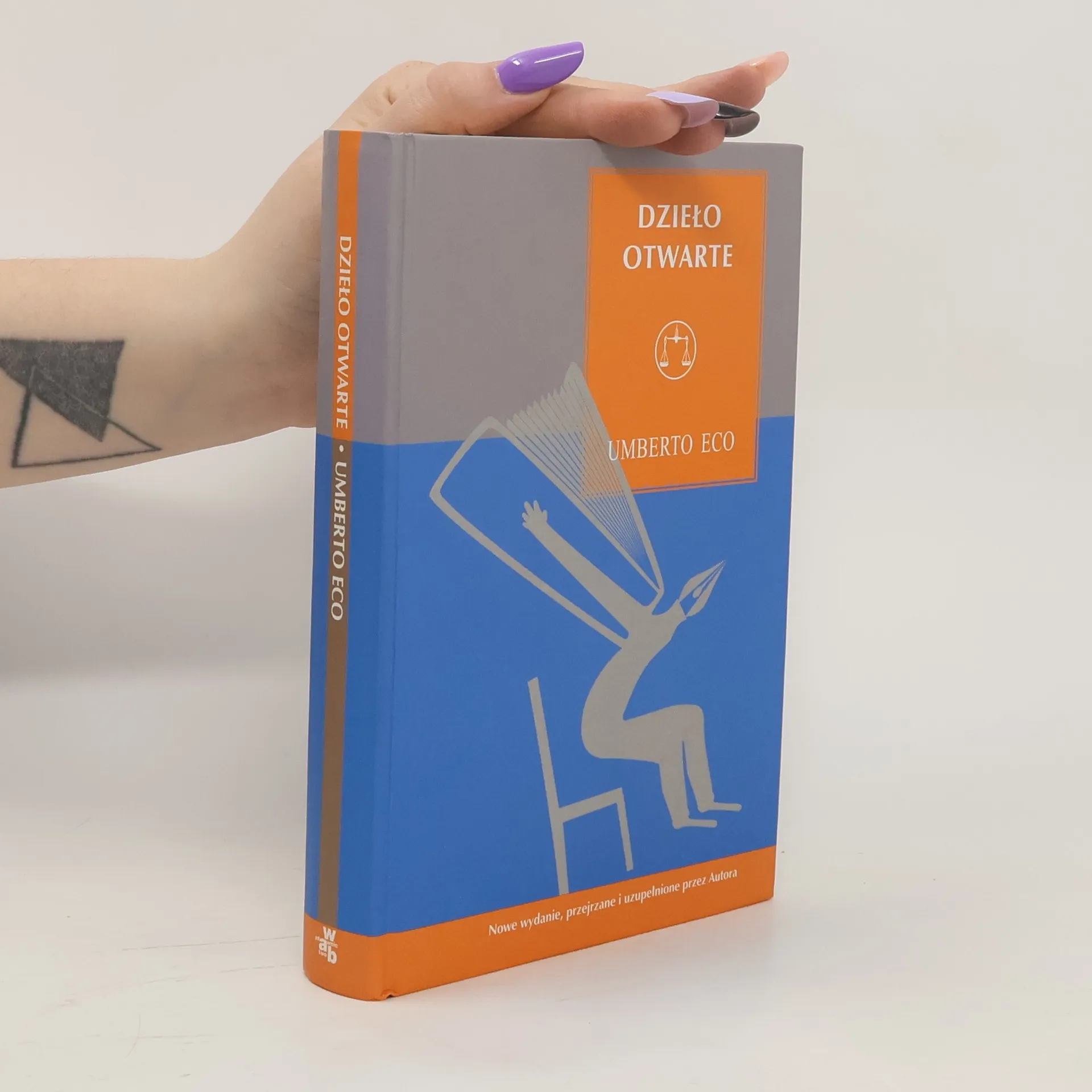
    Dzieło otwarte
    Historia brzydoty
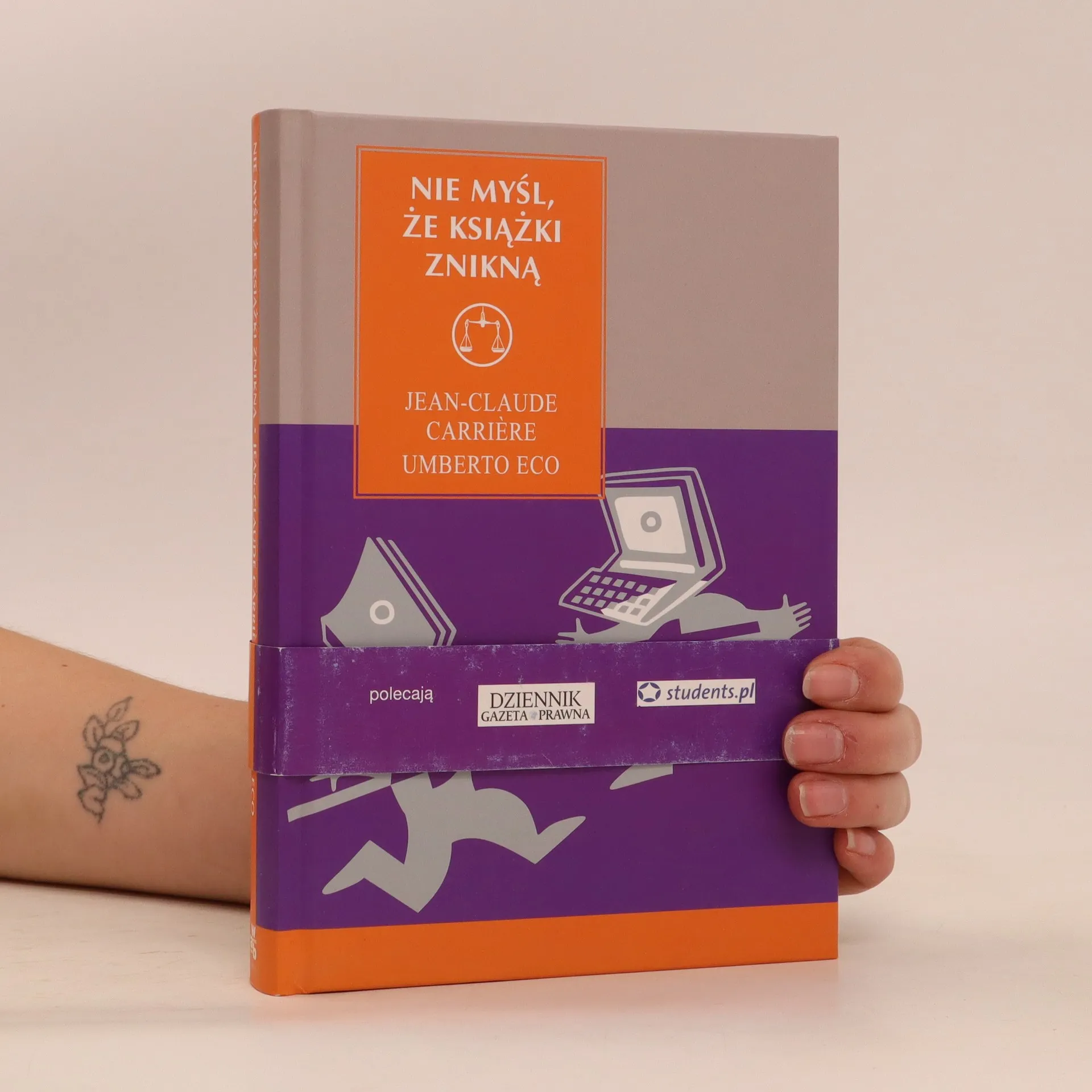
    Nie myśl, że książki znikną
    Szaleństwo katalogowania
    • Meno ruže 2. diel

      • 72 strony
      • 3 godziny czytania

      Druhý diel komiksového vydania Ecovho najznámejšieho románu. November 1327. Mladý mních Adso prichádza so svojím učiteľom Viliamom z Baskervillu do opátstva v severnom Taliansku na učenú dišputu katolíckej cirkvi. Viliam má františkánom pripraviť pôdu na rozhovory s pápežom Jánom XXII. Jeho chúlostivú misiu však zatieni séria siedmich bizarných úmrtí mníchov. Viliam sa ako bývalý inkvizítor ujíma prípadu a začne pátrať po vrahovi. Pri vyšetrovaní sa riadi aristotelovskou logikou, teóriami Tomáša Akvinského a poznatkami Rogera Bacona - zbiera dôkazy, dešifruje tajné symboly, hľadá staré rukopisy a blúdi labyrintom opátstva, v ktorom sa „to najzaujímavejšie deje v noci".
      Meno ruže 2. diel2026
    • Vom Leben und anderen Zumutungen

      Gespräche mit Zeitgenossen

      • 352 strony
      • 13 godzin czytania

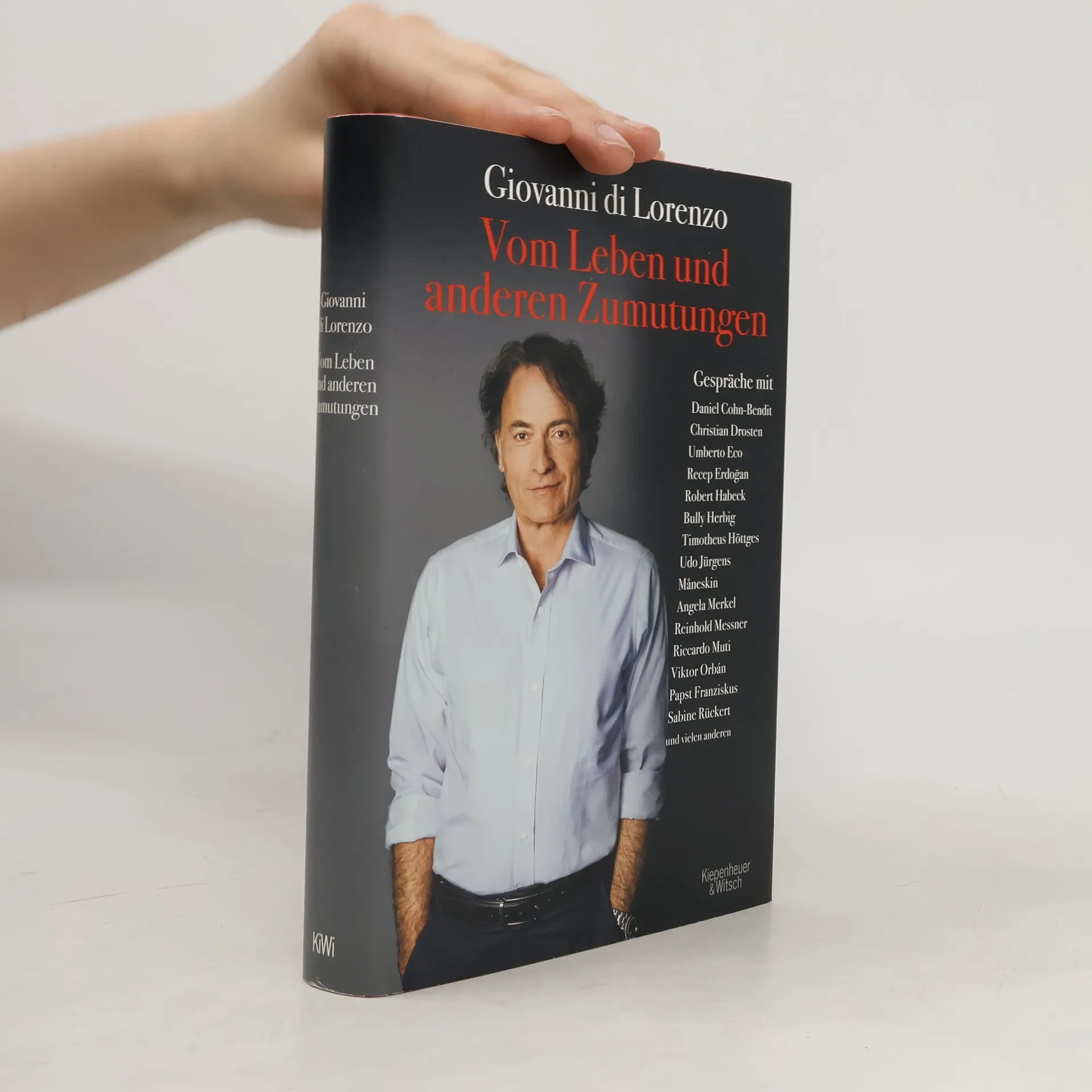
      Giovanni di Lorenzos Interviews mit prominenten Zeitgenossen sind immer wieder ein Ereignis. Wir erfahren, warum Daniel Cohn-Bendit kurz nach seinem fünfundsiebzigsten Geburtstag erstmals seine jüdische Familiengeschichte erzählt. Staunen, dass Telekomchef Timotheus Höttges für das bedingungslose Grundeinkommen plädiert und Udo Jürgens sich nach umjubelten Konzerten manchmal wie ein Nichts fühlte. Nehmen Anteil an den Glaubenszweifeln von Papst Franziskus; spüren die Angst, die ein Despot wie Recep Erdoğan verbreitet. Durch die Intensität der Begegnungen entstehen spannungsreiche Portraits, die zugleich ein Spiegelbild der großen politischen und gesellschaftlichen Themen des vergangenen Jahrzehnts sind – Flüchtlingskrise, Pandemie, Krieg, Fremdenfeindlichkeit oder Cancel-Culture-Debatten. Lesend tauchen wir ein in die Überzeugungen und Biografien von Menschen, die auf unterschiedliche Weise die Gegenwart geprägt haben. Giovanni di Lorenzo schafft dabei eine Atmosphäre seltener Nähe und Offenheit, scheut aber nie die Konfrontation. Und entlockt so auch ausgebufften Medienprofis Dinge, die sie vorher öffentlich nicht gesagt haben.

      Vom Leben und anderen Zumutungen2025
      3,9
    • Der Name der Rose

      Graphic Novel

      • 160 stron
      • 6 godzin czytania

      Umberto Ecos Bestseller "Der Name der Rose" als Graphic Novel: Milo Manara verwandelt die Geschichte des Franziskanermönchs William von Baskerville und seines Gefährten Adson in eine sinnliche Bilderwelt. Die Charaktere und die Kunstwerke der Abtei des 14. Jahrhunderts erwachen neu zum Leben.

      Der Name der Rose2024
    • Bibliotheken

      Broschierte Sonderausgabe

      • 272 strony
      • 10 godzin czytania

      Bibliotheken sind auratische Orte: Kathedralen des Wissens, Tempel der Weisheit, Oasen der Stille ... Auch die nüchternste, funktionalste Architektur durchweht noch ein Hauch sakraler Feierlichkeit, ganz zu schweigen von den prächtigen Klosterbibliotheken des Barock, den Bücherspeichern altehrwürdiger Universitäten oder den heiteren Bildungskabinetten aufgeklärter Fürsten. Candida Höfers Buch mit Aufnahmen berühmter Bibliotheksräume in Europa und den USA, das 2005 erstmals bei uns erschienen ist, wurde zu einem internationalen Bestseller. Begleitet von einem Essay des italienischen Schriftstellers und Philosophen Umberto Eco, ist es das ideale Buch zum 50. Jubiläum unseres Hauses - in Wort und Bild ein Fest für Bibliophile. Jetzt erstmals als broschierte Ausgabe!

      Bibliotheken2024
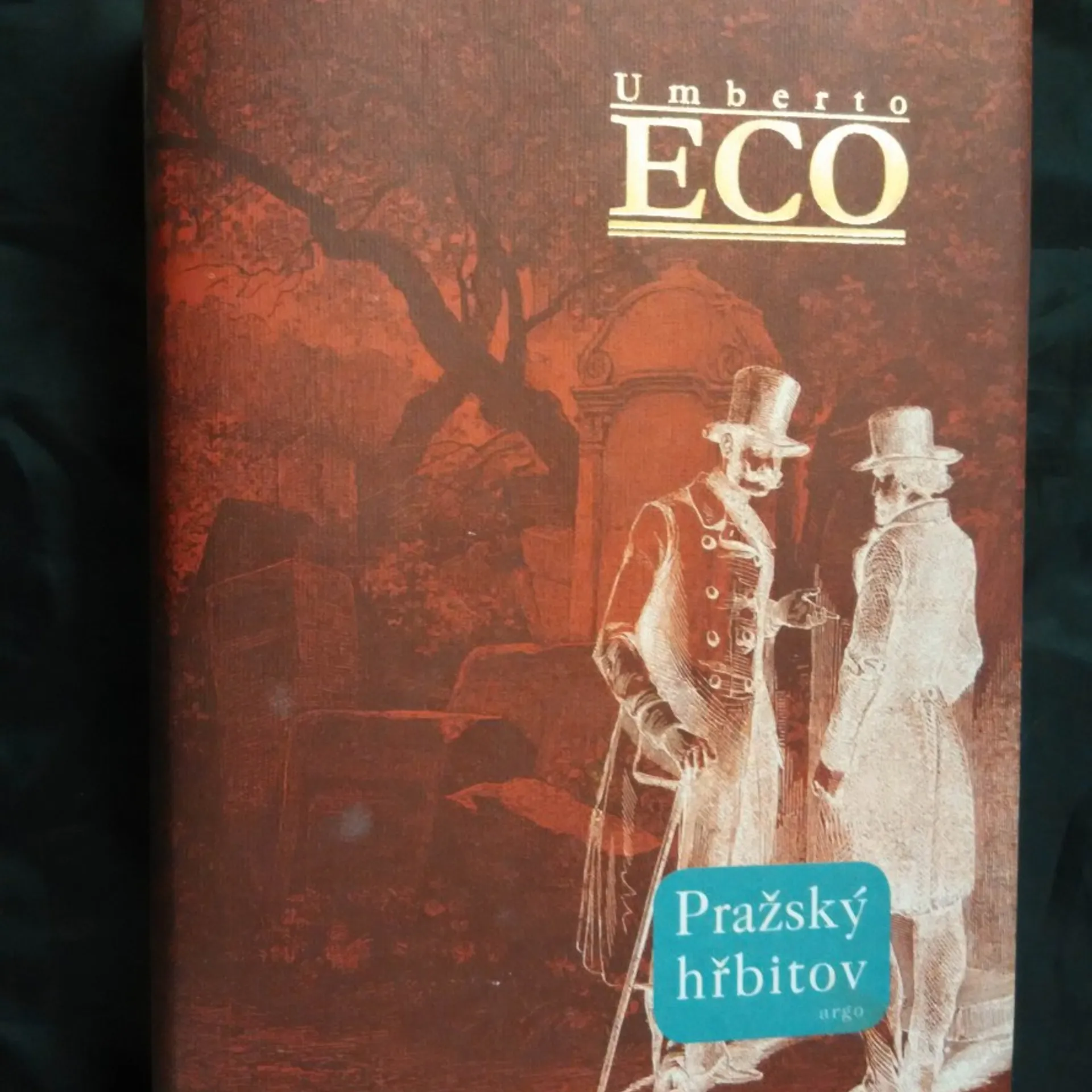
    • Nowe wyjątkowe wydanie przedostatniej powieści Umberta Eco, która poruszyła miliony czytelników na całym świecie! Cmentarz w Pradze to powieść kryminalno- szpiegowska, której akcja rozgrywa się w XIX wieku. Umberto Eco przedstawia w niej genezę okrytych złą sławą tzw. Protokołów Mędrców Syjonu, które stanowiły dla Hitlera jedno ze źródeł jego obłąkańczej idei zagłady Żydów i były elementem nazistowskiej propagandy. Autor podkreśla, że oprócz głównego bohatera wszystkie postacie w książce są autentyczne. Cmentarz w Pradze ukazał się 30 lat po Imieniu róży - debiutanckiej powieści profesora semiotyki. Oparta na autentycznej historii tak niezwykłej, że nie trzeba zabarwiać jej wyobraźnią pisarza, by stworzyć porywającą opowieść Eco należy się podziw za przywrócenie życia prawdzie trudniejszej do uwierzenia niż fikcja. New York Times

      Cmentarz w Pradze TW w.20212021
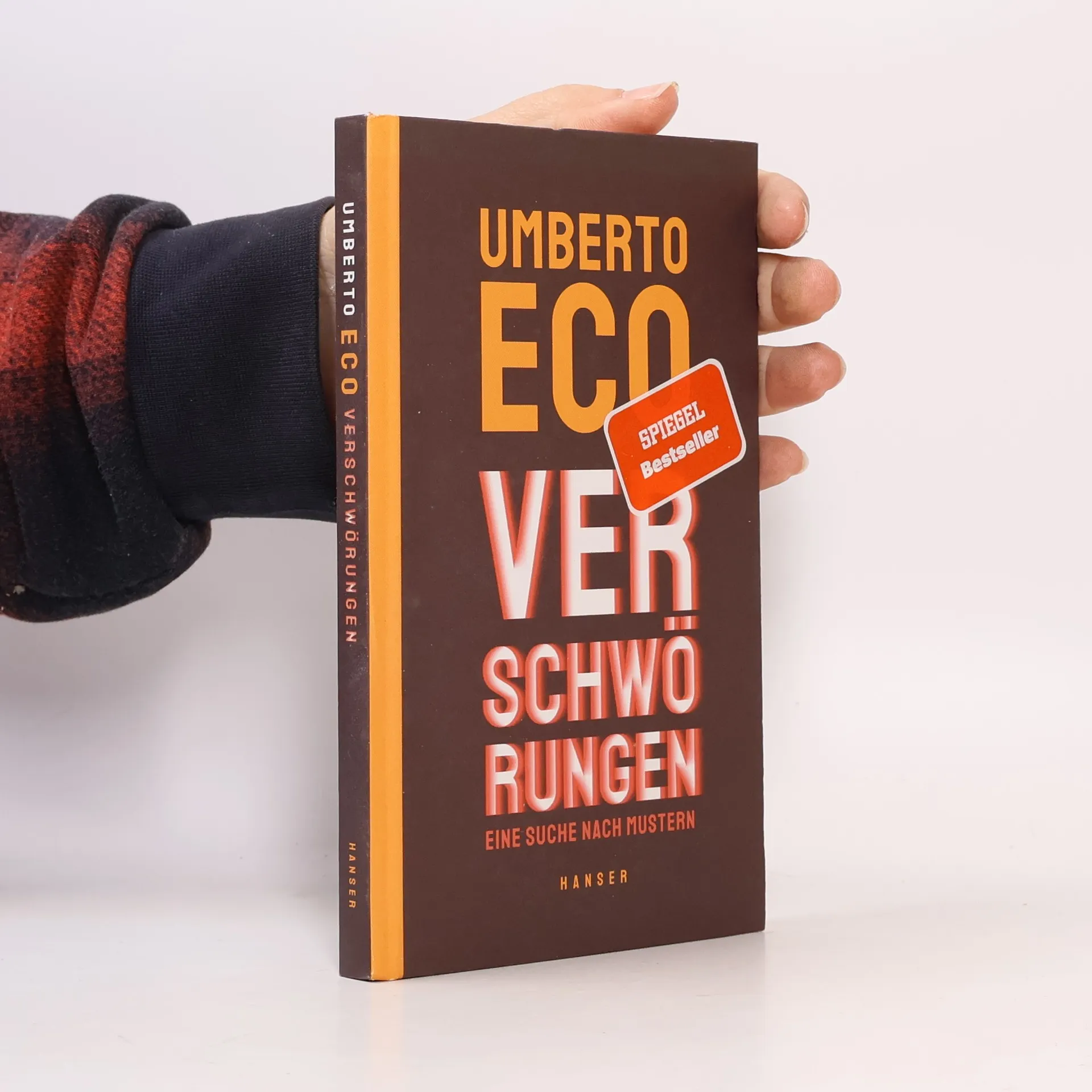
    • Verschwörungen

      Eine Suche nach Mustern

      Wie funktionieren Verschwörungstheorien? Umberto Eco über die historischen Wurzeln von Querdenkern und Co. Der Verschwörungskult um QAnon fabuliert von einer Elite, die das Blut gefolterter Kinder trinke. Selbsternannte Skeptiker wettern gegen vermeintliche Impfkartelle. Andere wähnen sich mitten in Deutschland in einer versteckten Diktatur. Auch wenn sie in immer neuer Gestalt daherkommen, Verschwörungstheorien durchziehen die Geschichte. Dabei verlaufen sie stets nach demselben Muster – das kaum jemand so treffend erkannt und brillant beschrieben hat wie Umberto Eco. In beständigem Ringen mit Antisemitismus, Esoterik und Pseudowissenschaft hat er schon lange vor der aktuellen Flut an Verschwörungstheorien deren überzeitliche Strukturen freigelegt. Eco fehlt – sein Werk ist gültig und aktuell wie nie.

      Verschwörungen2021
      4,3
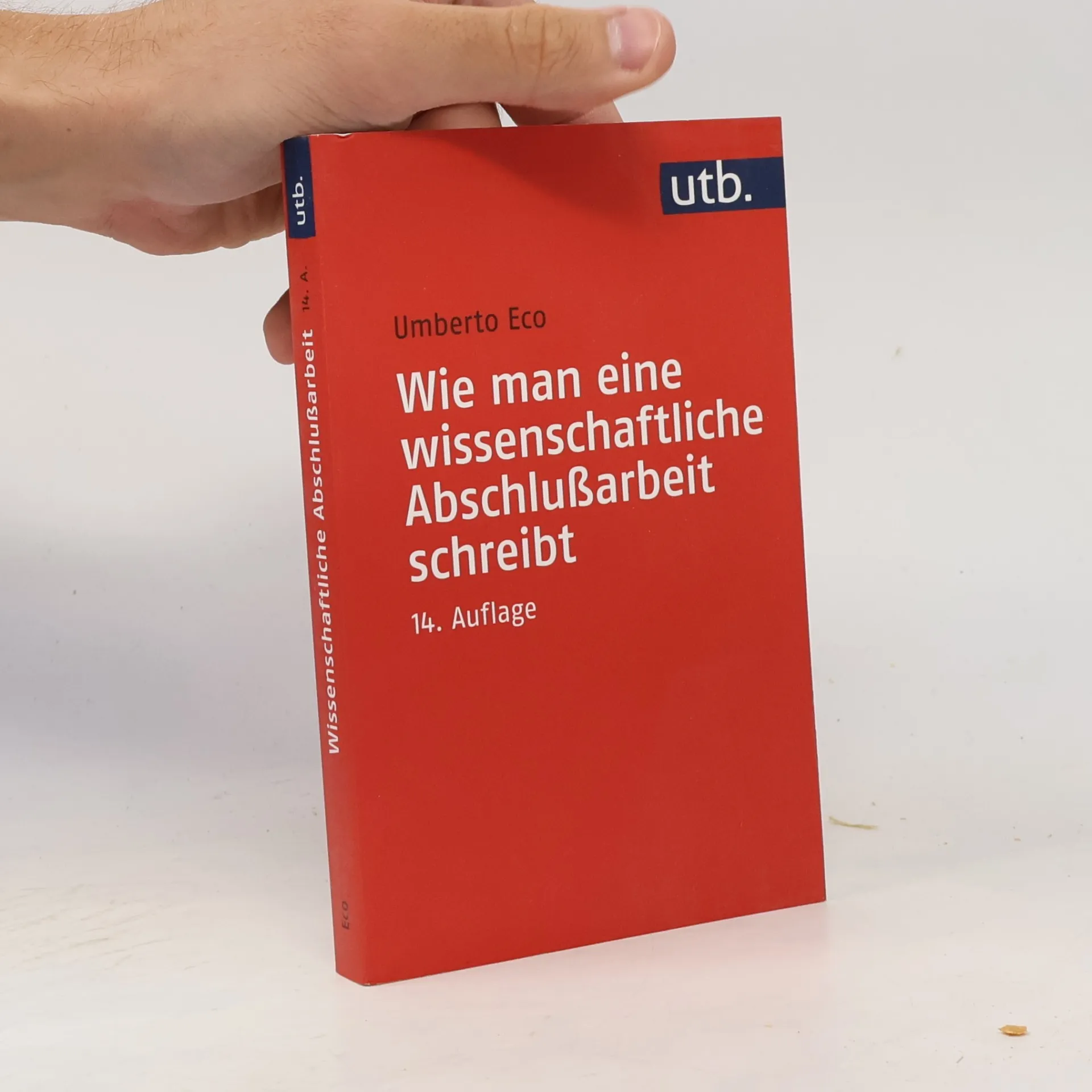
    • Wie man eine wissenschaftliche Abschlussarbeit schreibt

      Doktor-, Diplom- und Magisterarbeit in den Geistes- und Sozialwissenschaften

      Diese Anleitung für die Planung, Gliederung und Niederschrift wissenschaftlicher Arbeiten von Umberto Eco, Professor an der Universität Bologna, ist ebenso gründlich wie virtuos. Nach Ecos eigenen Worten (Einleitung) gibt sein Buch "Auskunft darüber, (1) was man unter einer Abschlussarbeit versteht, (2) wie man das Thema sucht und die Zeit für seine Bearbeitung einteilt, (3) wie man bei der Literatursuche vorgeht, (4) wie man das gefundene Material auswertet und (5) wie man die Ausarbeitung äußerlich gestaltet". Die autorisierte Übersetzung hat Professor Dr. Walter Schick erarbeitet. Eine "erfrischend unkonventionelle Handreichung" nennt er das Buch; es erlaube einen "Blick in die 'Werkstatt' Ecos; denn Beziehungen zu anderen Werken Ecos werden nicht nur durch jenen Abbé Vallet hergestellt, der im vorliegenden Buch wie in 'Der Name der Rose' eine Rolle spielt." Darin liegt freilich nur ein zusätzlicher Reiz und Gewinn der Lektüre. Wichtiger ist: Ecos Buch zeigt, wie man schreiben soll – auf den Leser konzentriert, dem Leser dienend.
      Wie man eine wissenschaftliche Abschlussarbeit schreibt2020
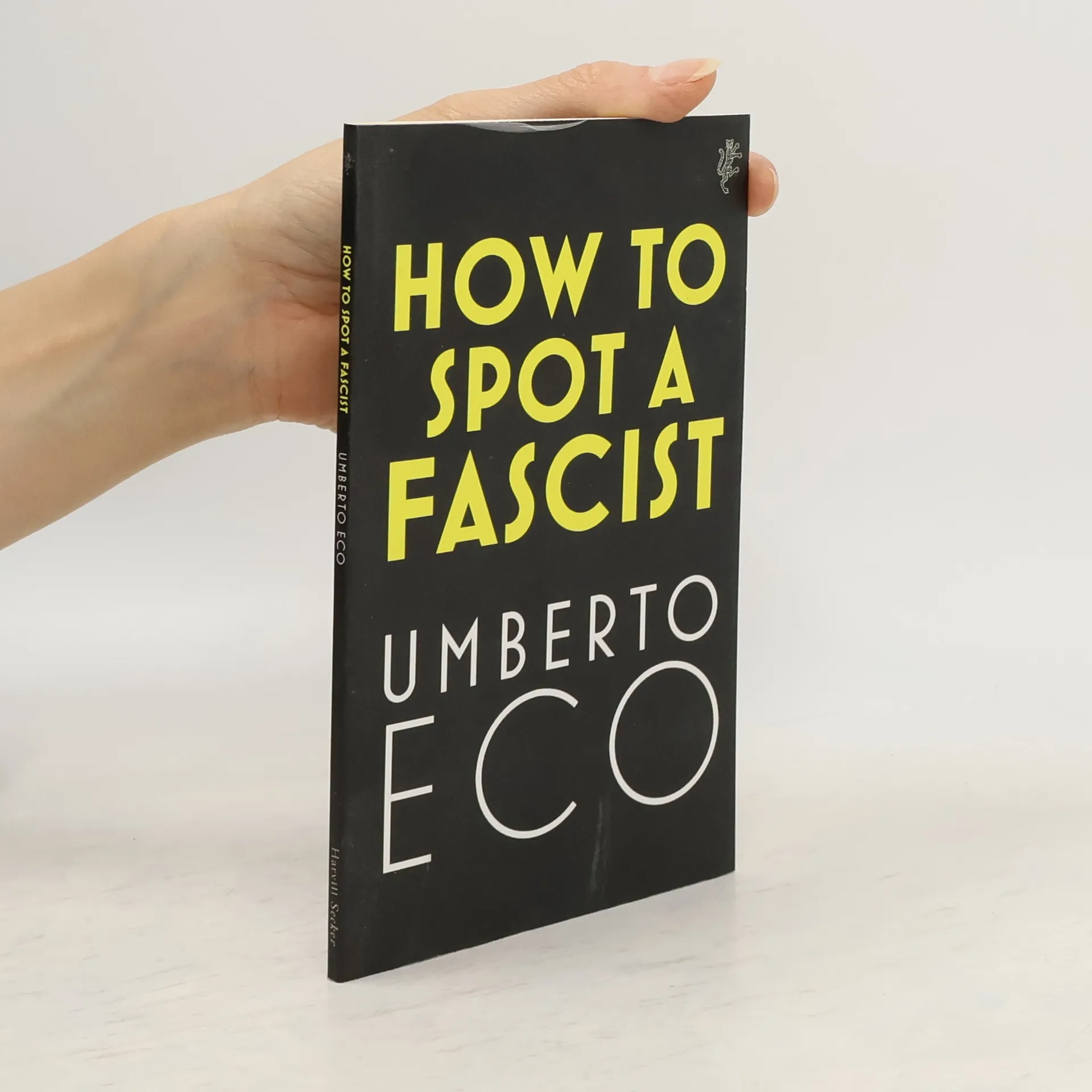
    • How to Spot a Fascist

      • 64 strony
      • 3 godziny czytania

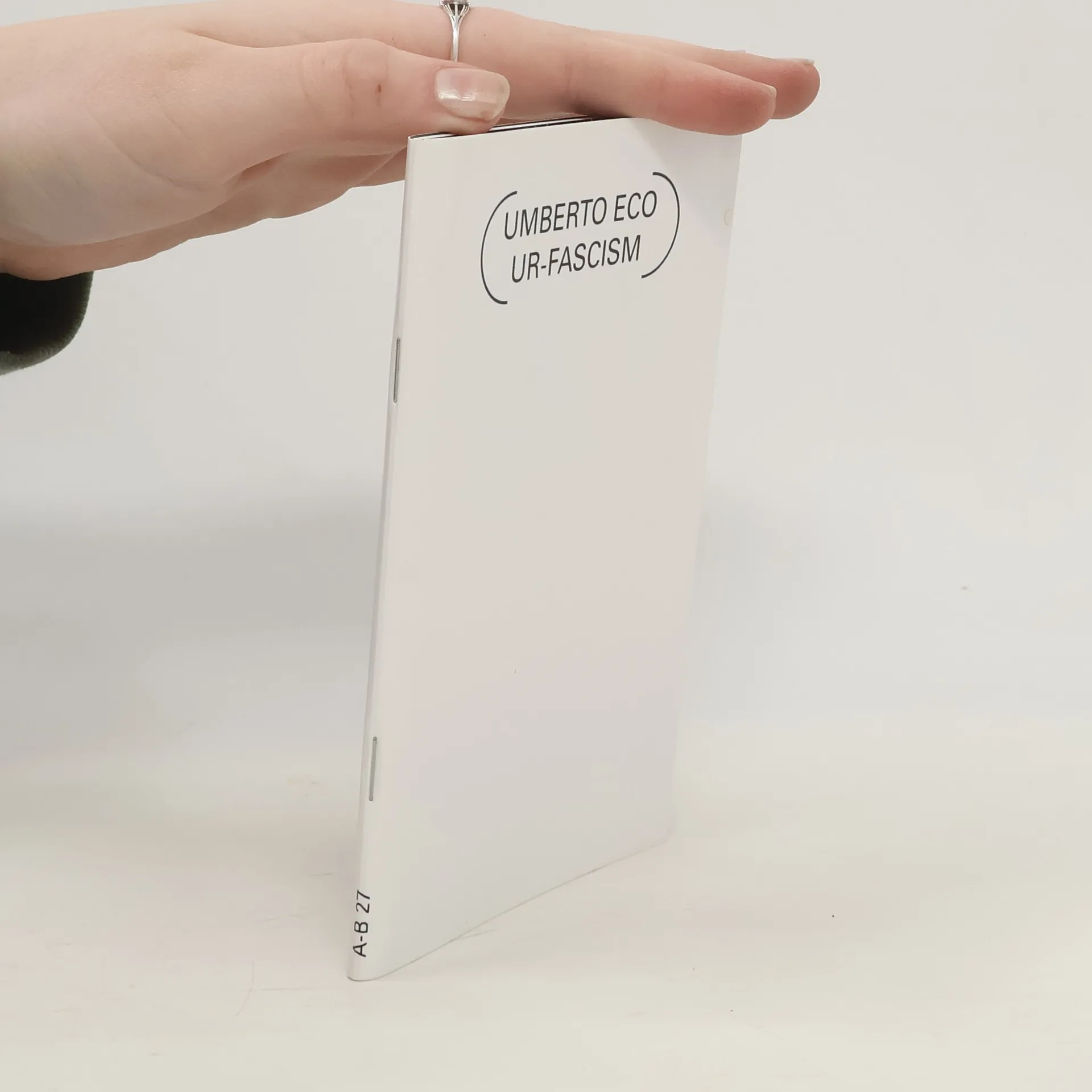
      We are here to remember what happened and to declare solemnly that 'they' must never do it again. But who are 'they'? HOW TO SPOT A FASCIST is a selection of three thought-provoking essays on freedom and fascism, censorship and tolerance - including Eco's iconic essay 'Ur-Fascism', which lists the fourteen essential characteristics of fascism, and draws on his own personal experiences growing up in the shadow of Mussolini. Umberto Eco remains one of the greatest writers and cultural commentators of the last century. In these pertinent pieces, he warns against prejudice and abuses of power and proves a wise and insightful guide for our times. If we strive to learn from our collective history and come together in challenging times, we can hope for a peaceful and tolerant future. Freedom and liberation are never-ending tasks. Let this be our motto: 'Do not forget.'

      How to Spot a Fascist2020
      4,6
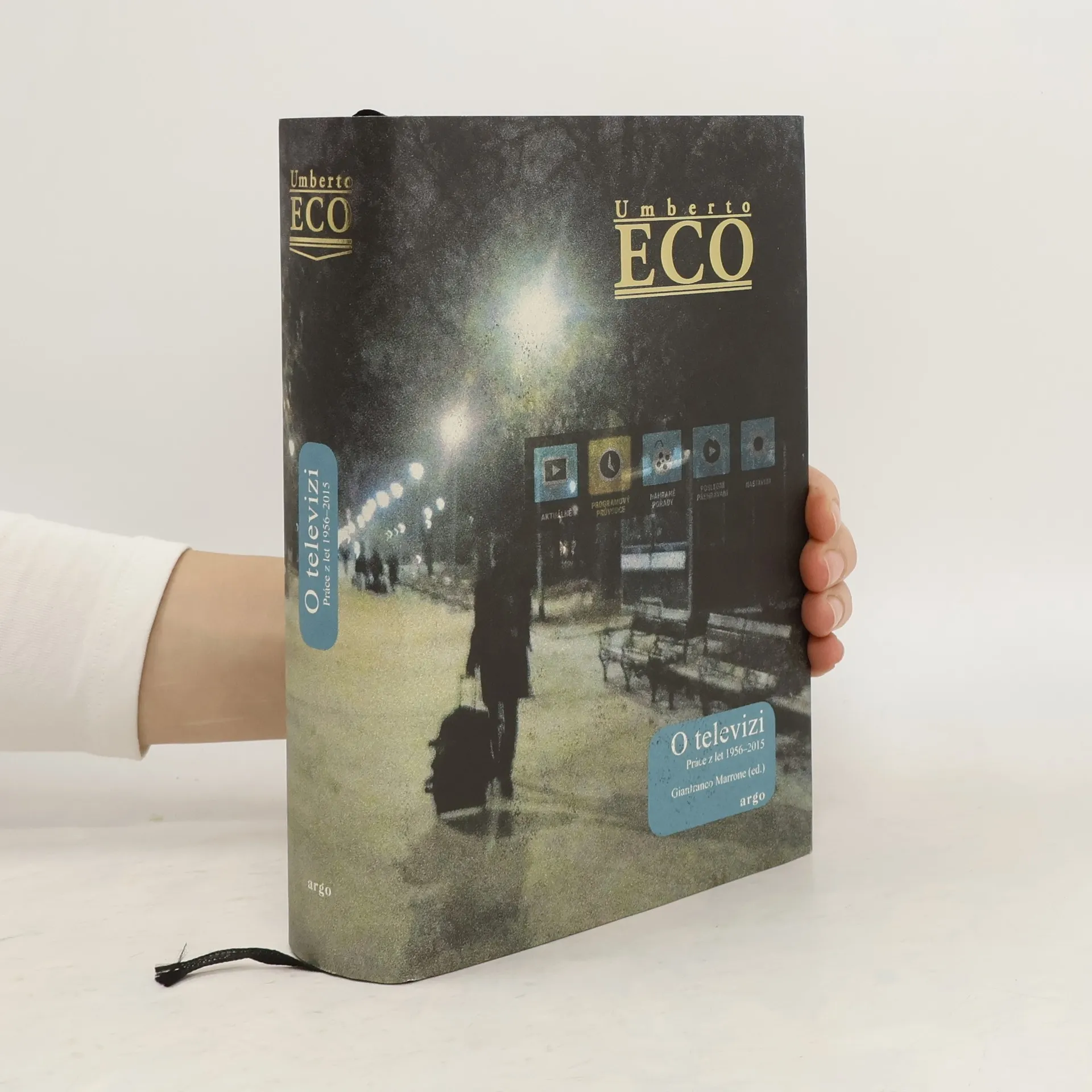
    • Nový svazek díla Umberta Eca je určen všem čtenářům, kteří chtějí poznat různé stránky televize jakožto svébytného jevu. Zahrnuje autorovy práce na dané téma z let 1956–2015 – eseje, příspěvky přednesené na kongresech i novinové články. Úvahy v nich obsažené pokrývají rozsáhlé časové období od prvních vysílaných pořadů až do dnešních dob, kdy se k televizi přidružuje internet a sociální sítě. Masmédia nepřenášejí ideologie, ona sama jsou ideologiemi, shrnuje své poznatky autor.

      O televizi2020
      4,6
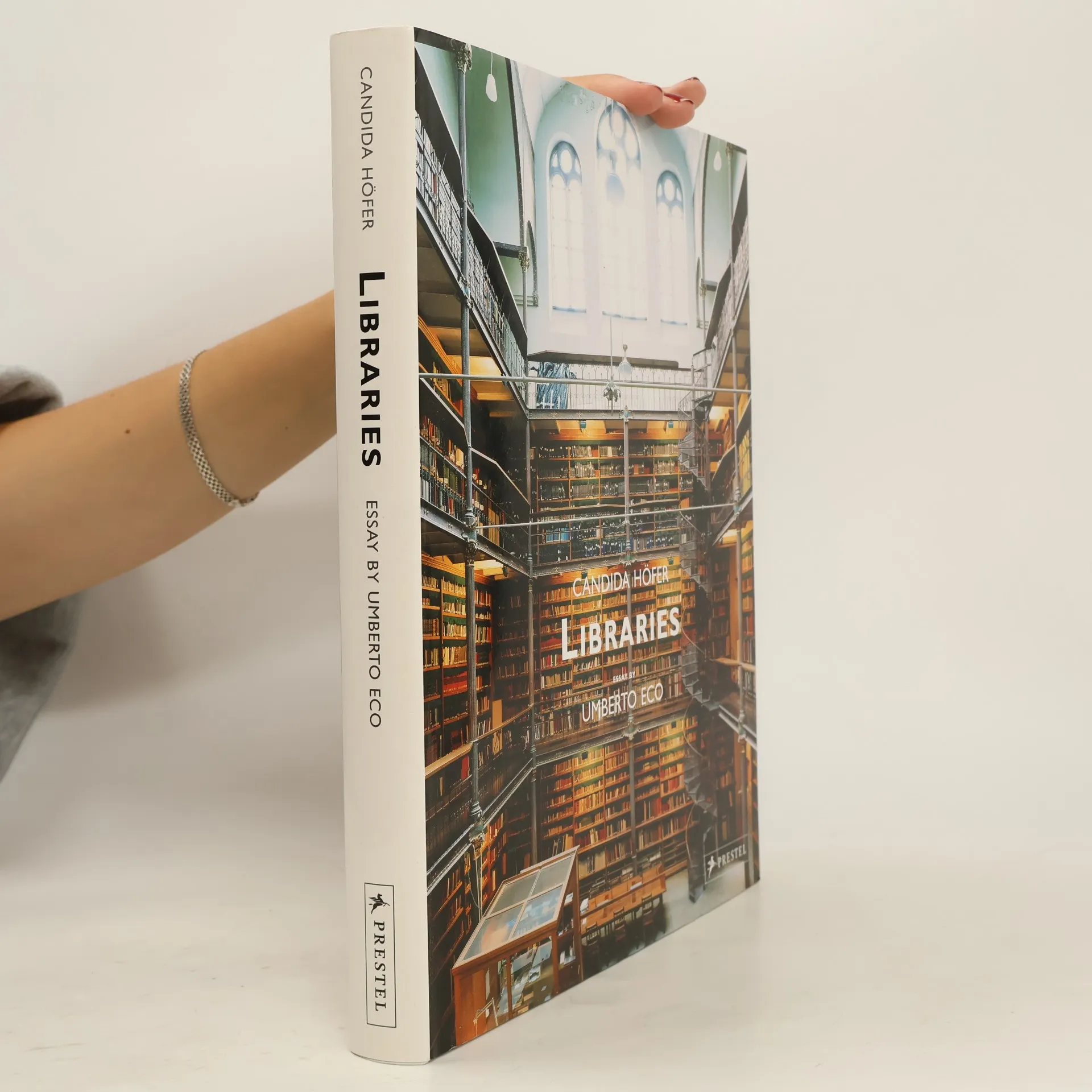
    • Libraries

      Candida Höfer

      • 272 strony
      • 10 godzin czytania

      This striking book shows the world's most beautiful libraries through Candida Höfer's mesmerizing photographs. No one photographs spaces quite like Candida Höfer and no one has captured better the majesty, stillness, and eloquence of libraries. Traveling around the world, Höfer shows the exquisite beauty to be found in order, repetition, and form--rows of books, lines of desks, soaring shelves, and even stacks of paper create patterns that are both hypnotic and soothing. Photographed with a large-format camera and a small aperture, these razor-sharp images of the Pierpont Morgan Library in New York, the Escorial in Spain, Villa Medici in Rome, the Hamburg University library, the Bibliotheque Nationale de France in Paris, and the Museo Archeologico in Madrid, to name a few, communicate more than just the superb architecture. Glowing with subtle color and natural light, Höfer's photographs, while devoid of people, shimmer with life and remind us again and again that libraries are more than just repositories for books. Umberto Eco's essay about his own attachment to libraries is the perfect introduction to an otherwise wordless, but sublimely reverent journey.

      Libraries2019
      3,8
    • W tomiku Migracje i nietolerancja zebrano cztery teksty, które łączy wskazana w tytule tematyka. Choć dwa z nich powstały w 1997 roku (pochodzą z tomu „Pięć pism moralnych”), a kolejne dwa w latach 2011 i 2012 (te ukazują się w druku po raz pierwszy), dotykają niezwykle dziś ważnego i szeroko dyskutowanego problemu. Czy wielkie migracje powodujące wymieszanie kultur prowadzą do zaniku elementów tradycji europejskiej? Jak to wyglądało w wiekach minionych? Czy rozmaite kultury wypierały jedna drugą, tworzyły nową jakość, czy też uczyły się współistnieć obok siebie? W jakim stopniu owe migracje są zjawiskiem naturalnym? Czy można je regulować i kontrolować? A może uruchomione przez nie globalne procesy są nieuniknione? Jak widzą się nawzajem rozmaite kultury? Gdzie przebiega granica między akceptacją obcych kulturowo przybyszów a ryzykiem utraty własnej tożsamości? Jak rozumieć takie terminy jak „fundamentalizm”, „integryzm” czy „rasizm”? Na te i inne pytania Umberto Eco stara się odpowiedzieć w swoich krótkich tekstach, snując historyczno-semiotyczne rozważania, które zapewne nie pozostawią czytelnika obojętnym.

      Migracje i nietolerancja2019
      4,1
    • On the Shoulders of Giants

      • 336 stron
      • 12 godzin czytania

      A posthumous collection of essays by one of our greatest contemporary thinkers that provides a towering vision of Western culture. In Umberto Eco’s first novel, The Name of the Rose, Nicholas of Morimondo laments, “We no longer have the learning of the ancients, the age of giants is past!” To which the protagonist, William of Baskerville, replies: “We are dwarfs, but dwarfs who stand on the shoulders of those giants, and small though we are, we sometimes manage to see farther on the horizon than they.” On the Shoulders of Giants is a collection of essays based on lectures Eco famously delivered at the Milanesiana Festival in Milan over the last fifteen years of his life. Previously unpublished, the essays explore themes he returned to again and again in his writing: the roots of Western culture and the origin of language, the nature of beauty and ugliness, the potency of conspiracies, the lure of mysteries, and the imperfections of art. Eco examines the dynamics of creativity and considers how every act of innovation occurs in conversation with a superior ancestor. In these playful, witty, and breathtakingly erudite essays, we encounter an intellectual who reads comic strips, reflects on Heraclitus, Dante, and Rimbaud, listens to Carla Bruni, and watches Casablanca while thinking about Proust. On the Shoulders of Giants reveals both the humor and the colossal knowledge of a contemporary giant.

      On the Shoulders of Giants2017
      4,0
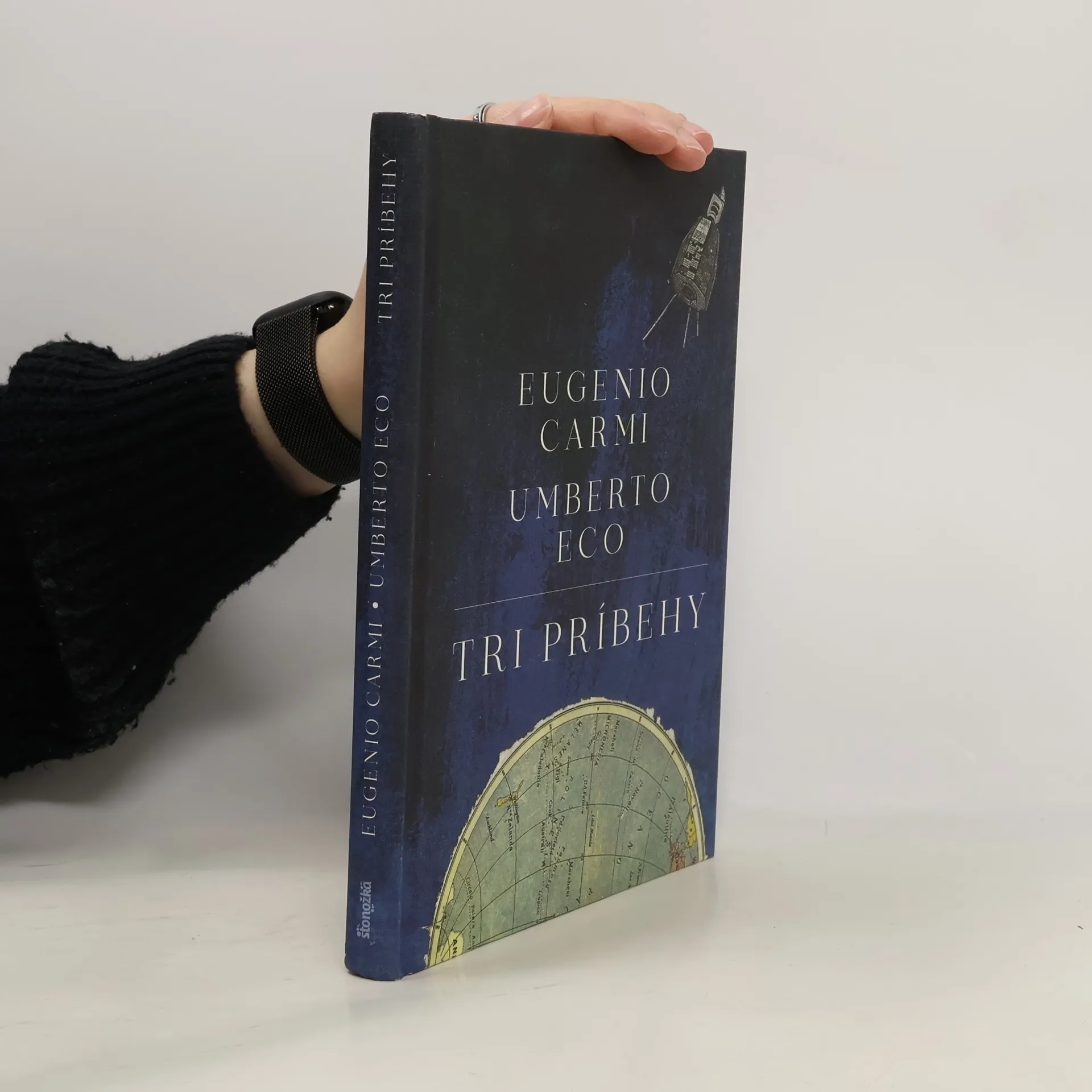
    • Tri príbehy

      • 110 stron
      • 4 godziny czytania

      Atómy uzavreté v jadrovej bombe sa vzbúria proti generálovi, ktorý chce rozpútať vojnu, pričom plánuje použiť obrovský arzenál ukrytý na pôjde. Traja navzájom súperiaci kozmonauti, Američan, Rus a Číňan, prichádzajú na Mars a stretávajú šesťrukého Marťana, vďaka ktorému sa z nich stanú priatelia. Márnomyseľný cisár vysiela prieskumníka, aby na malú, šťastnú a nevinnú planétu priniesol civilizáciu. Tri príbehy, ktoré porozprával Umberto Eco a ilustroval Eugenio Carmi, pre malých aj veľkých, čiže pre každého, kto potrebuje rozprávky. Maliar EUGENIO CARMI sám seba označoval za výrobcu obrázkov. Pri Umbertovi Ecovi sa z neho stal ilustrátor. UMBERTO ECO bol filozof, odborník na stredovek, semiológ a spisovateľ. Sám seba označoval za výrobcu slov. Pri Eugeniovi Carmim sa z neho stal rozprávkar.

      Tri príbehy2017
      4,4
    • Chronicles of a Liquid Society

      • 320 stron
      • 12 godzin czytania

      There are people you've never met and yet you miss them when they are gone... Eco's famously ironic voice is penetrating ... The issues Eco addresses are so enormous in their scale they seem insurmountable, yet his measured, erudite commentary assures you that they can be understood and therefore resolved Financial Times

      Chronicles of a Liquid Society2016
      3,8
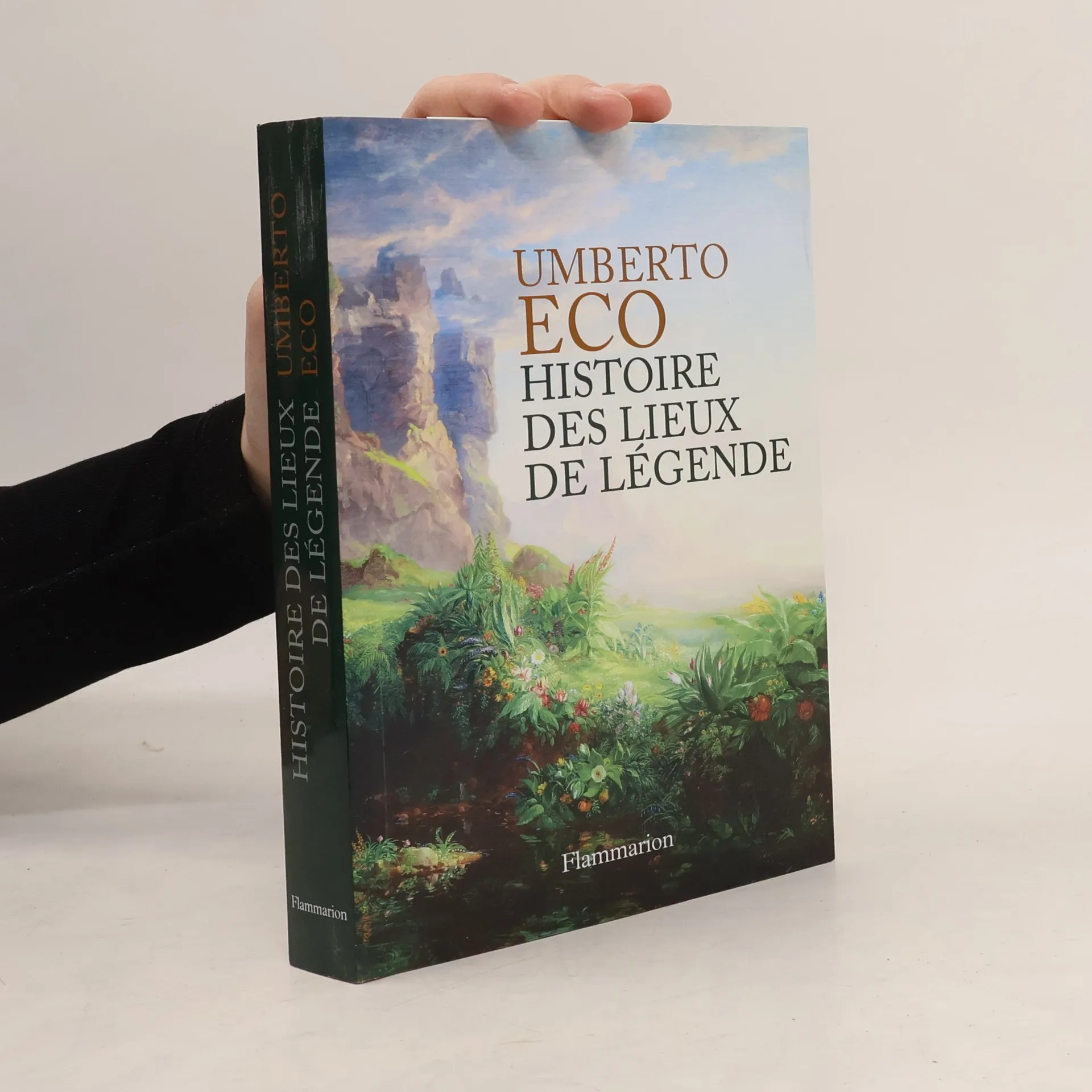
    • Histoire des lieux de légende

      • 478 stron
      • 17 godzin czytania

      Notre imaginaire abonde en territoires et en lieux n'ayant jamais existé, de la cabane des sept nains aux îles visitées par Gulliver, du temple des Thugs de Salgari à l'appartement de Sherlock Holmes. Mais on sait en général que ces lieux sont nés de l'imagination d'un narrateur ou d'un poète. D'un autre côté, et depuis les temps les plus reculés, l'humanité n'a cessé de rêver à des lieux qu'elle a cru réels, comme l'Atlantide, Mu, la Lémurie, le royaume de la reine de Saba, celui du Prêtre Jean, les lies Fortunées, l'Eldorado, Thulé, l'Hyperborée, le pays des Hespérides, le lieu où l'on conserve le saint Graal, la forteresse des assassins du Vieillard de la Montagne, les îles de l'utopie, celle de Salomon, la Terre australe, l'intérieur d'une Terre creuse et le mystérieux royaume souterrain d'Agarttha. Certains d'entre eux ont simplement donné naissance à de fascinantes légendes et inspiré quelques-unes des splendides représentations visuelles qui illustrent ce livre ; d'autres ont obsédé les esprits détraqués de chercheurs de mystères, d'autres encore ont stimulé des voyages et des explorations : partis à la poursuite d'une illusion, des voyageurs de tous les pays ont ainsi fini par découvrir de nouveaux territoires.

      Histoire des lieux de légende2015
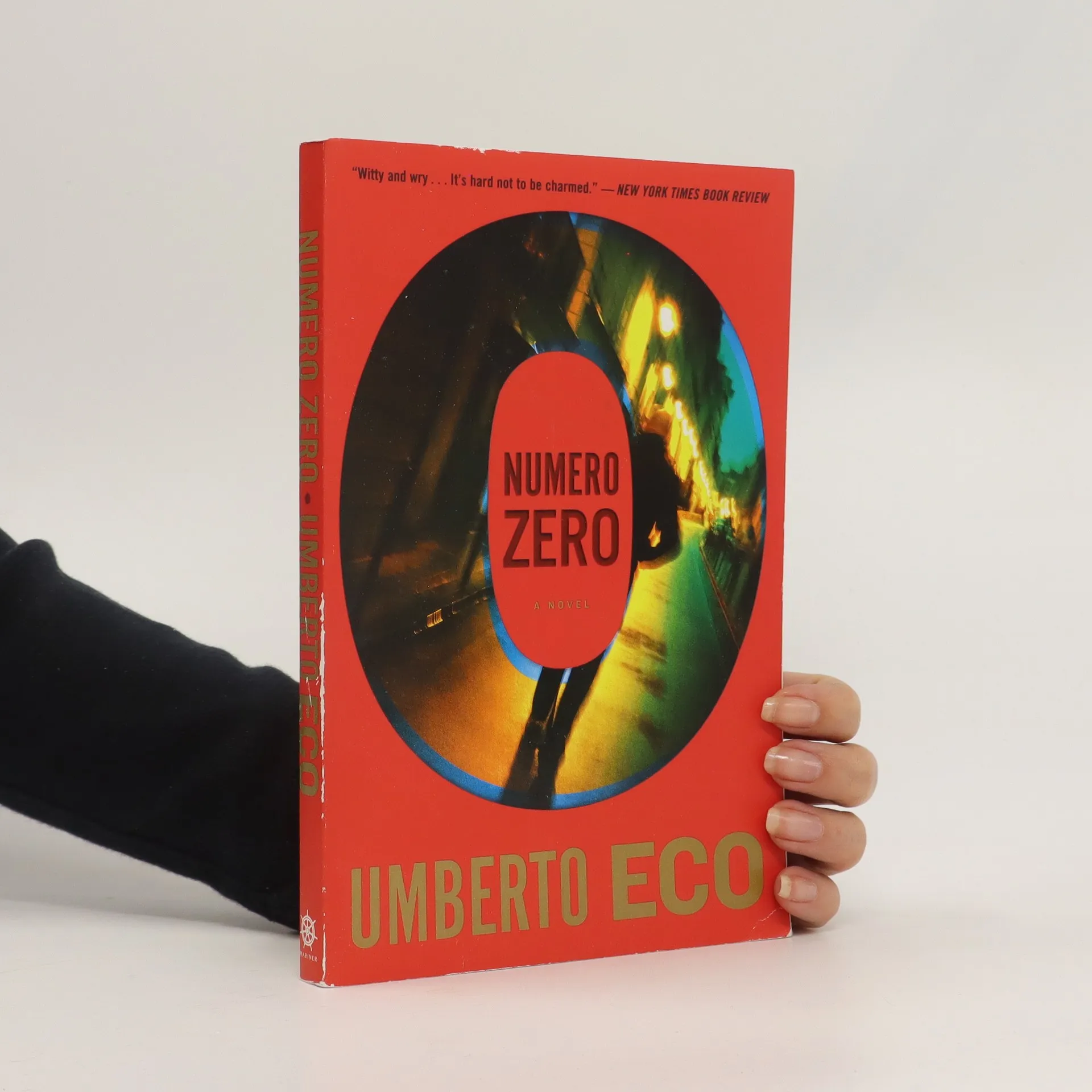
    • Numero zero

      • 208 stron
      • 8 godzin czytania

      From the best-selling author of The Name of the Rose and The Prague Cemetery, a novel about the murky world of media politics, conspiracy, and murder

      Numero zero2015
      3,2
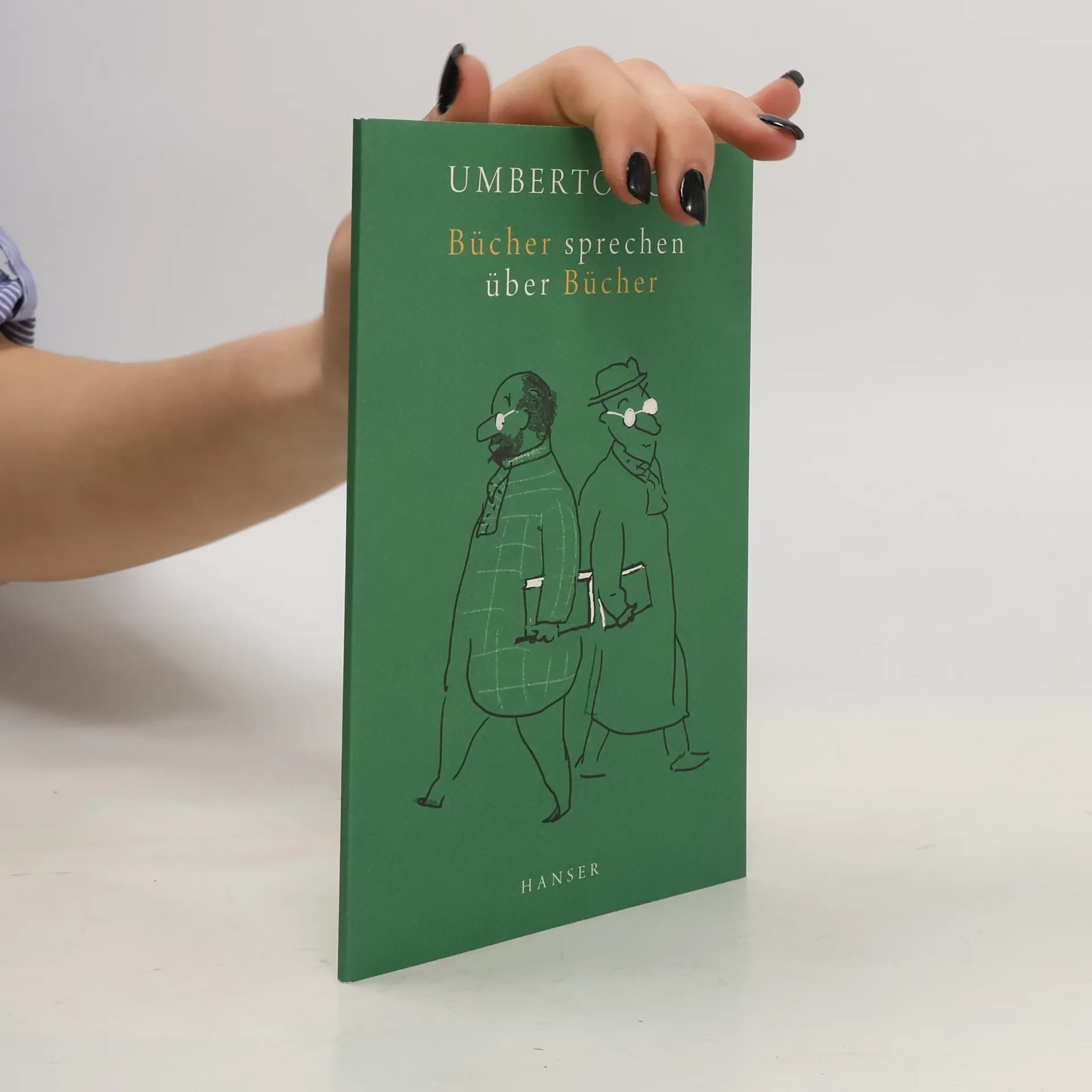
    • Neue flammende Streichholzbriefe von Umberto Eco – immer am Nerv der Zeit und gleichzeitig in die Vergangenheit ältester Epochen wandernd. Ob der große italienische Schriftsteller über das in Mode gekommene Sammeln alter Druckwerke oder ein Plädoyer für die Langsamkeit des Lesens schreibt – stets feiert er die Wichtigkeit des Buches im Zeitalter des digitalen Wahns. Witzig, scharfsinnig wenn nicht bösartig sind Ecos Beobachtungen zum Zeitgeschehen – zwölf kurze Texte über eine rasende Gegenwart, der man am besten mit gesundem Menschenverstand und einem Blick auf das Alte begegnet, das sich immer wieder als prophetisch erweist.

      Bücher sprechen über Bücher2015
      3,3
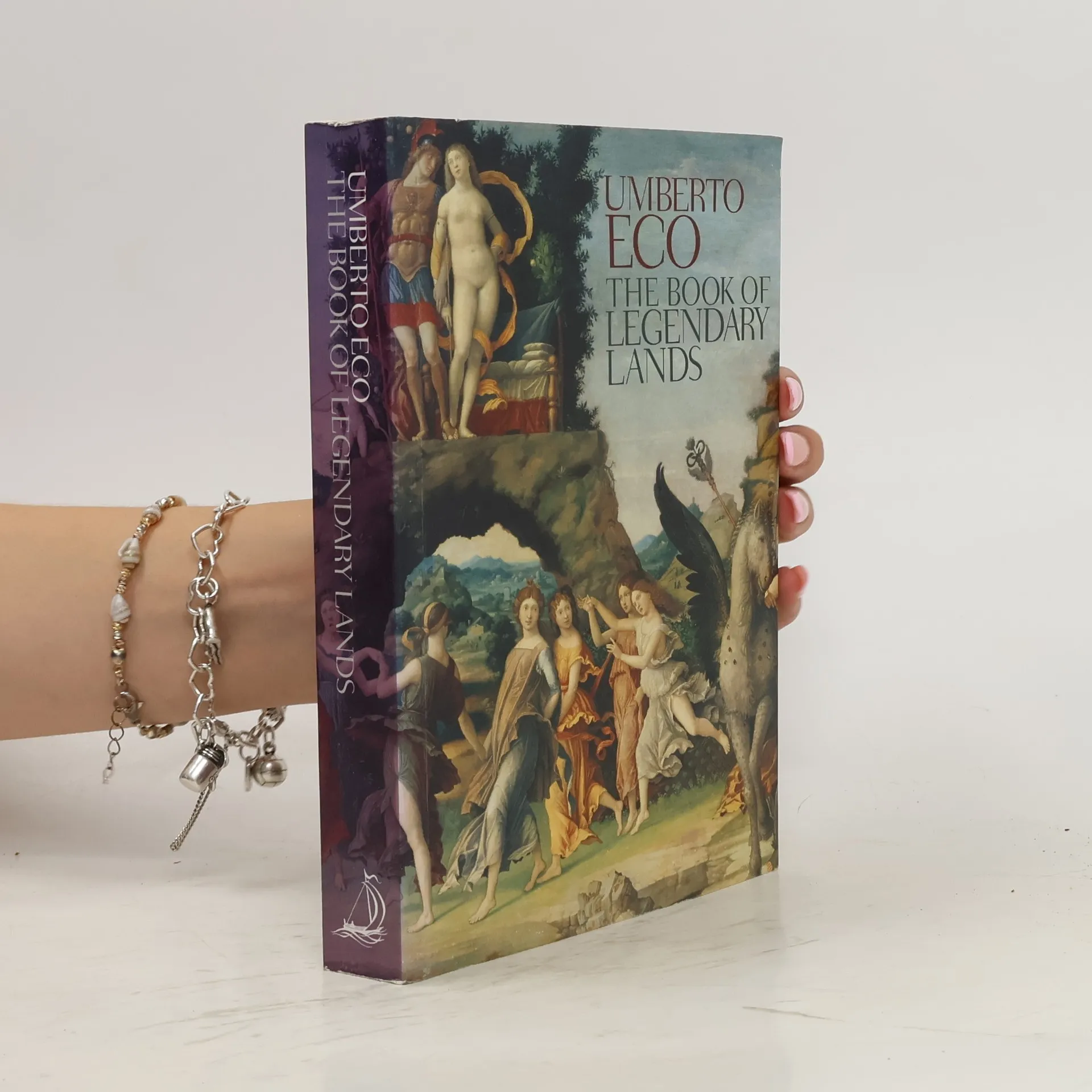
    • The Book of Legendary Lands

      • 480 stron
      • 17 godzin czytania

      In the tradition of his books On Beauty and On Ugliness and The Infinity of Lists, Umberto Eco presents an enthralling illustrated tour of the fabled places that have awed and eluded us through the ages. "Eco is one of the most influential thinkers of our time" Los Angeles Times From the epic poems of Homer to contemporary science fiction, from the Holy Scriptures to modern mythology and fairy tale, literature and art are full of illusory places we have at some time believed are real, and onto which we have projected our dreams, ideals and fears. Umberto Eco leads us on an illuminating journey through these legendary lands - Atlantis, Thule and Hyperborea, the Earth's interior and the Land of Cockaigne - and explores utopias and dystopias where our imagination can confront concepts that are too incredible, or too challenging, for our limited real world. In The Book of Legendary Lands the author's text is accompanied by several hundred carefully assembled works of art and literature; the result is a beautifully illustrated volume with broad and enduring appeal. Translated from Italian by Alastair McEwen

      The Book of Legendary Lands2013
      4,2
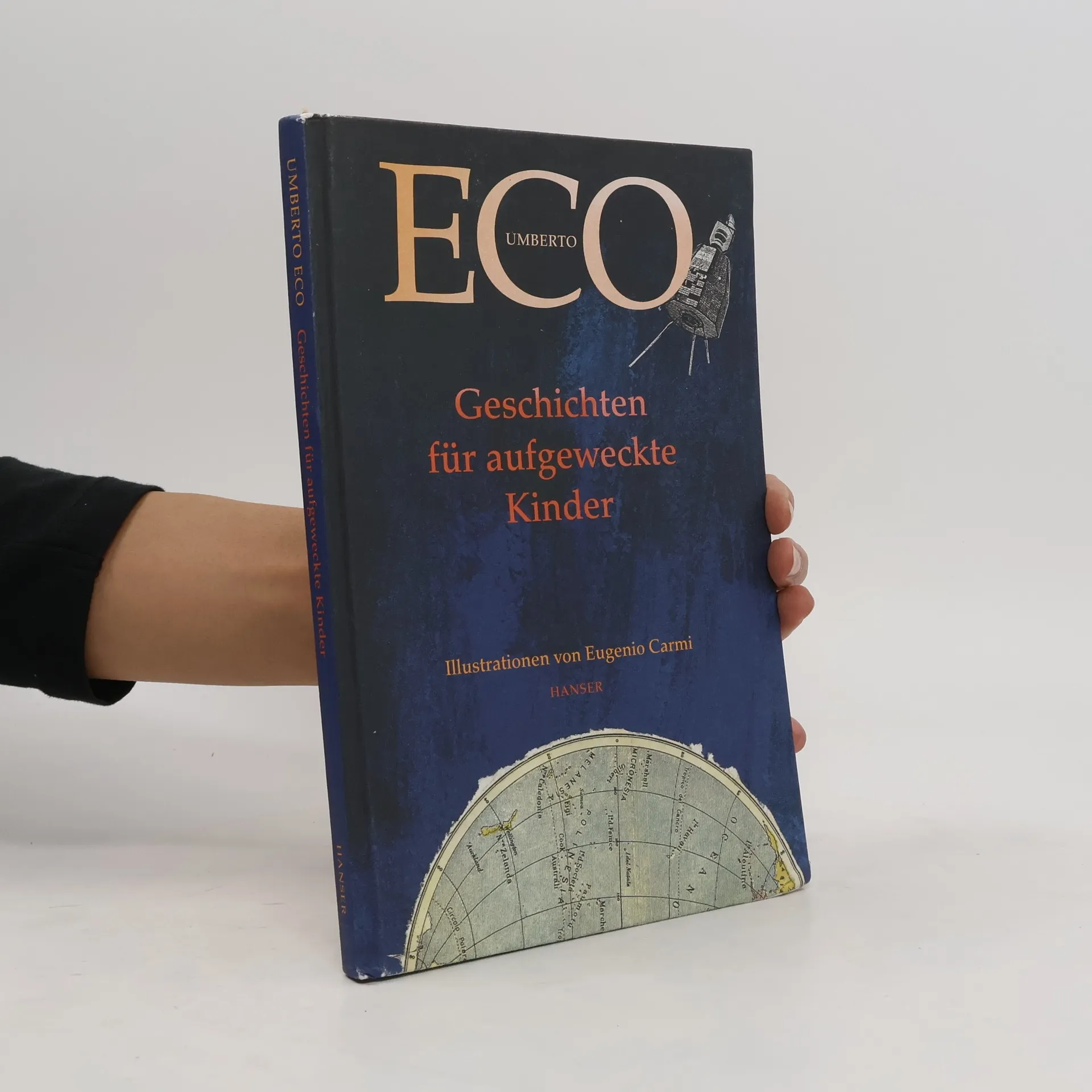
    • Geschichten für aufgeweckte Kinder

      • 112 stron
      • 4 godziny czytania

      Umberto Eco erzählt in seinem Kinderbuch mit Wärme und Humor von ernsten Themen wie Abrüstung, Frieden und Umweltschutz. Die Geschichten handeln von Atomspaltung, intergalaktischen Begegnungen und der Wiederbegrünung der Erde, begleitet von künstlerischen Illustrationen von Eugenio Carmi.

      Geschichten für aufgeweckte Kinder2012
      3,2
    • V této knize předkládá Umberto Eco své studie o historii znakových teorií. Popisuje dva modely encyklopedického poznání, z nichž jeden vychází z ideje stromu (systematického větvení pojmů) a druhý z ideje labyrintu. V dalších kapitolách pak hledá sémiotickou reflexi ve filozofických systémech od Platóna a Aristotela přes Tomáše Akvinského či Viléma Ockhama ke Kantovi, ale nemenší pozornost věnuje rétorickým spisům (například barokním výkladům o metafoře) či kabalisticky založenému učení o „kombinatorickém umění“ (Raymondovi Lullovi a Picovidella Mirandola). Tato materiálově mimořádně bohatá kniha shrnuje Ecovy různorodé výzkumy z posledních desetiletí, autor jí však dokázal vtisknout přehlednou monografickou podobu.

      Od stromu k labyrintu: Historické studie o znaku a interpretace2012
      4,6
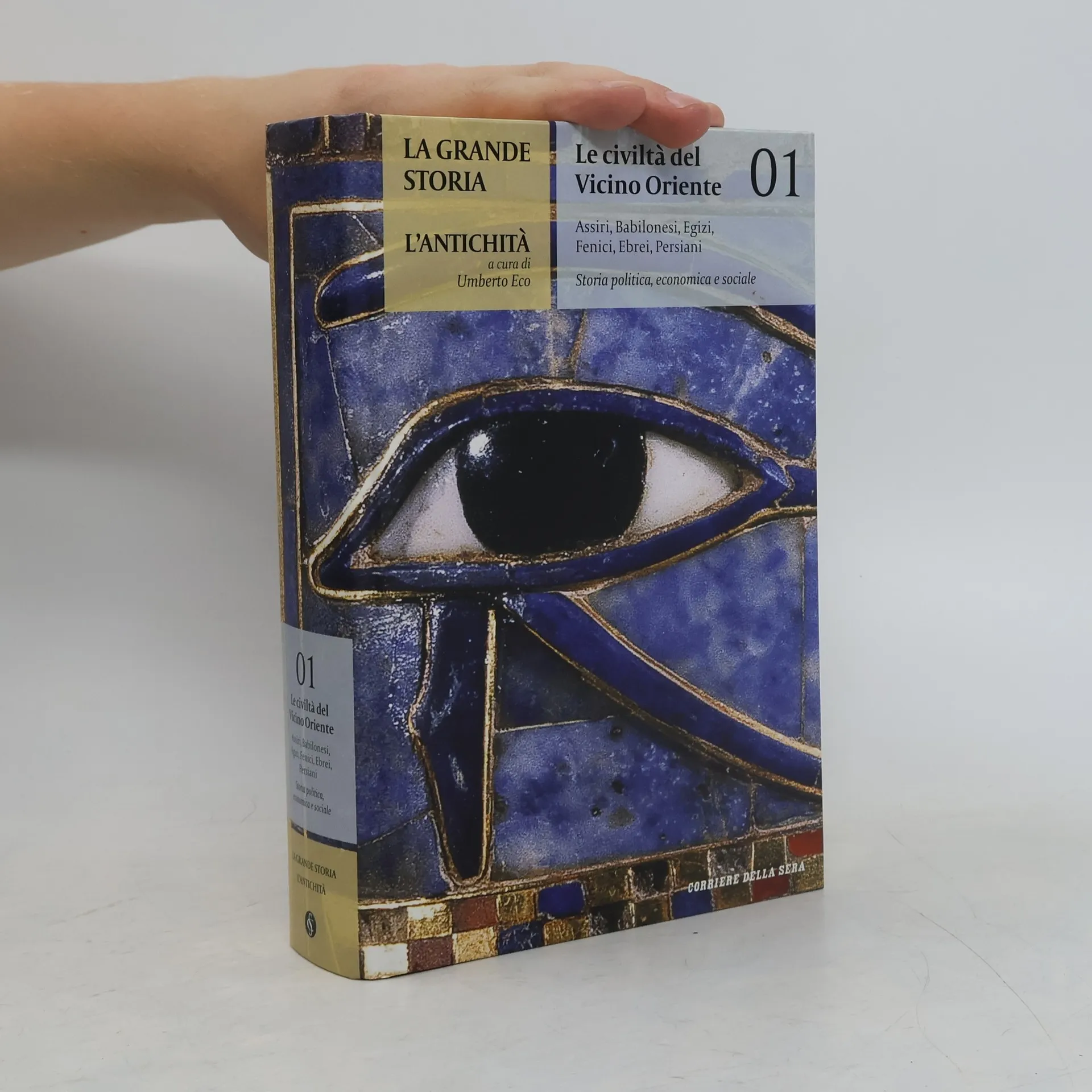
    • Le civiltà greca e romana non possono essere comprese senza riandare alle loro radici orientali. Dai Fenici proviene alla Grecia la scrittura alfabetica, da vari popoli mediorentali giungono le tecniche di lavorazione del vetro e dei metalli, diverse pratiche mediche, l'astronomia, le matematiche, alcune teologie, la stessa nozione di città... Per tale ragione il primo volume ripercorre la storia politica, economica e sociale di Assiri, Babilonesi, Egizi, Fenici, Ebrei e Persiani che oggi, grazie a una cospicua messe di fonti scritte e testimonianze archeologiche, è possibile ricostruire dettagliatamente.

      L'antichità 1. Le civiltà del Vicino Oriente2011
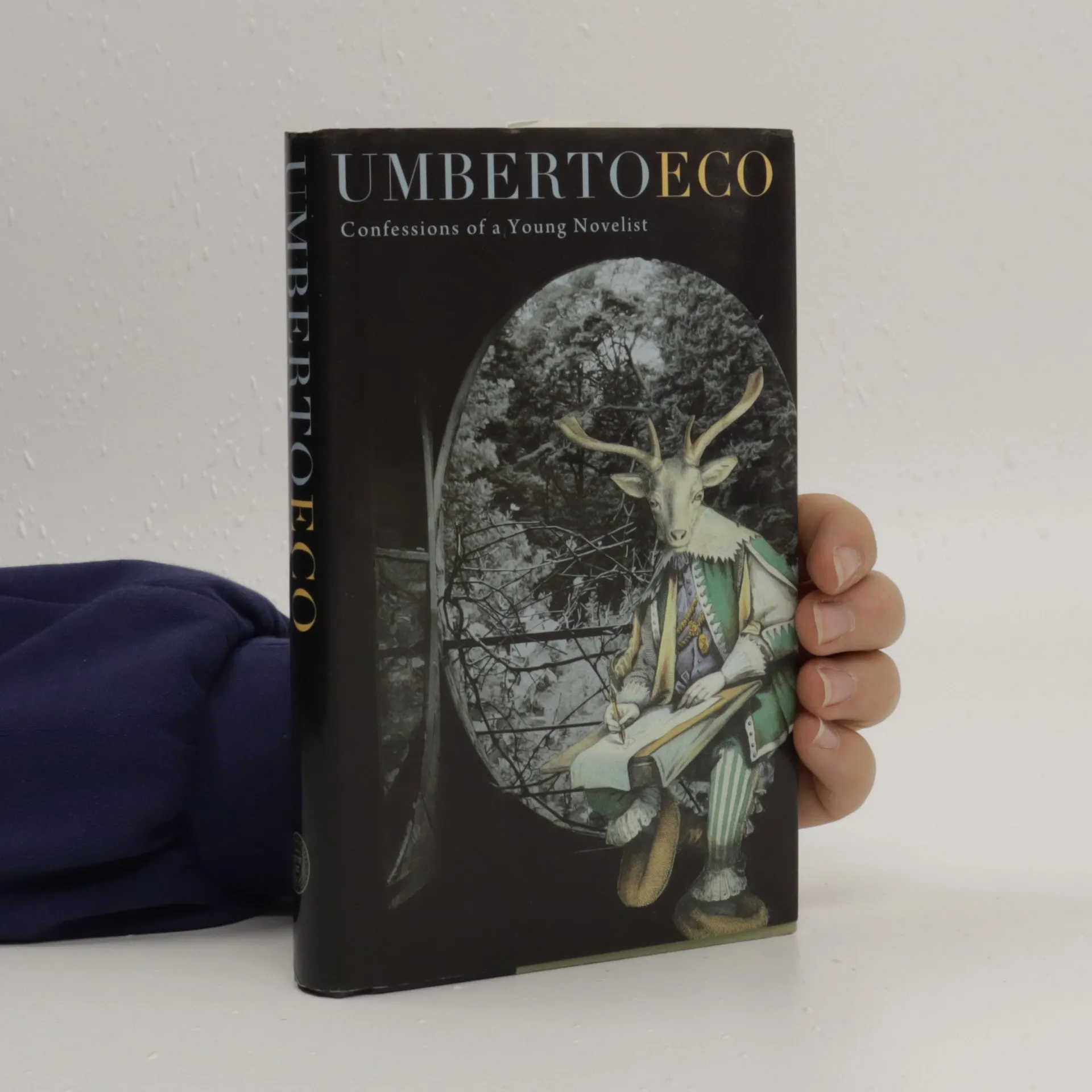
    • Umberto Eco published his first novel, The Name of the Rose, in 1980, when he was nearly fifty. In these “confessions,” the author, now in his late seventies, looks back on his long career as a theorist and his more recent work as a novelist, and explores their fruitful conjunction. He begins by exploring the boundary between fiction and nonfiction—playfully, seriously, brilliantly roaming across this frontier. Good nonfiction, he believes, is crafted like a whodunnit, and a skilled novelist builds precisely detailed worlds through observation and research. Taking us on a tour of his own creative method, Eco recalls how he designed his fictional realms. He began with specific images, made choices of period, location, and voice, composed stories that would appeal to both sophisticated and popular readers. The blending of the real and the fictive extends to the inhabitants of such invented worlds. Why are we moved to tears by a character’s plight? In what sense do Anna Karenina, Gregor Samsa, and Leopold Bloom “exist”? At once a medievalist, philosopher, and scholar of modern literature, Eco astonishes above all when he considers the pleasures of enumeration. He shows that the humble list, the potentially endless series, enables us to glimpse the infinite and approach the ineffable. This “young novelist” is a master who has wise things to impart about the art of fiction and the power of words.

      Confessions of a young novelist2011
      3,7
    • Wymyślanie wrogów

      • 340 stron
      • 12 godzin czytania

      Oto zbi�r rozmaitości, czasem zaangażowanych, a czasem stworzonych dla rozrywki, na temat absolutu, ognia, wymyślonej astronomii, katedralnych skarbc�w, wysp zaginionych, pisarstwa Victora Hugo, recepcji Joyce?a w epoce faszyzmu, utopii i przysł�w, Wikileaks, zawoalowanych form cenzury itd. Nie jest do końca dziełem przypadku, że zbi�r otrzymał nazwę od pierwszego tekstu. Tematem wymyślania wroga autor zajął się całkiem niedawno w swej najnowszej powieści Cmentarz w Pradze, a doświadczenie pokazuje, że �w przewrotny mechanizm nadal działa w najlepsze. Aby trzymać narody w ryzach trzeba wciąż wymyślać wrog�w i przypisywać im cechy wzbudzające lęk i odrazę.

      Wymyślanie wrogów2011
      3,5
    • Cmentarz w Pradze wyd. 2024

      • 570 stron
      • 20 godzin czytania

      Nowe wyjątkowe wydanie przedostatniej powieści Umberta Eco, która poruszyła miliony czytelników na całym świecie! Cmentarz w Pradze to powieść kryminalno- szpiegowska, której akcja rozgrywa się w XIX wieku. Umberto Eco przedstawia w niej genezę okrytych złą sławą tzw. Protokołów Mędrców Syjonu , które stanowiły dla Hitlera jedno ze źródeł jego obłąkańczej idei zagłady Żydów i były elementem nazistowskiej propagandy. Autor podkreśla, że oprócz głównego bohatera wszystkie postacie w książce są autentyczne. Cmentarz w Pradze ukazał się 30 lat po Imieniu róży - debiutanckiej powieści profesora semiotyki. “Oparta na autentycznej historii tak niezwykłej, że nie trzeba zabarwiać jej wyobraźnią pisarza, by stworzyć porywającą opowieść… Eco należy się podziw za przywrócenie życia prawdzie trudniejszej do uwierzenia niż fikcja.” „New York Times”

      Cmentarz w Pradze wyd. 20242010
      3,5
    • Wywiad przeprowadził Jean-Philippe de Tonnac. Czy świat bez książek to tylko futurystyczna wizja czy realne zagrożenie i efekt daleko idącej technizacji życia? Czy rzeczywiście grozi nam „bibliocaust”, a jeśli nawet, czy byłoby to wydarzenie bez precedensu? Wiadomo przecież, że od dawien dawna książki dławił pożar, palono je na stosach i poddawano ingerencji cenzury. Słowo pisane było także wydane na pastwę ludzkiej ignorancji i głupoty. To zaś, co zastało jako spuścizna, jest ledwie strzępem twórczości minionych pokoleń. Dwaj bibliofile, Umberto Eco i Jean-Claude Carrière, diagnozują zjawiska współczesnej kultury, to znaczy internet i elektroniczne nośniki pamięci. Według autorów Nie sądź, że książki znikną, nowe formy, choć coraz bardziej powszechne, nie wyprą tradycyjnych woluminów. Czy taka dość optymistyczna wizja nie jest jednak tylko marzeniem intelektualistów?

      Nie myśl, że książki znikną2010
      4,4
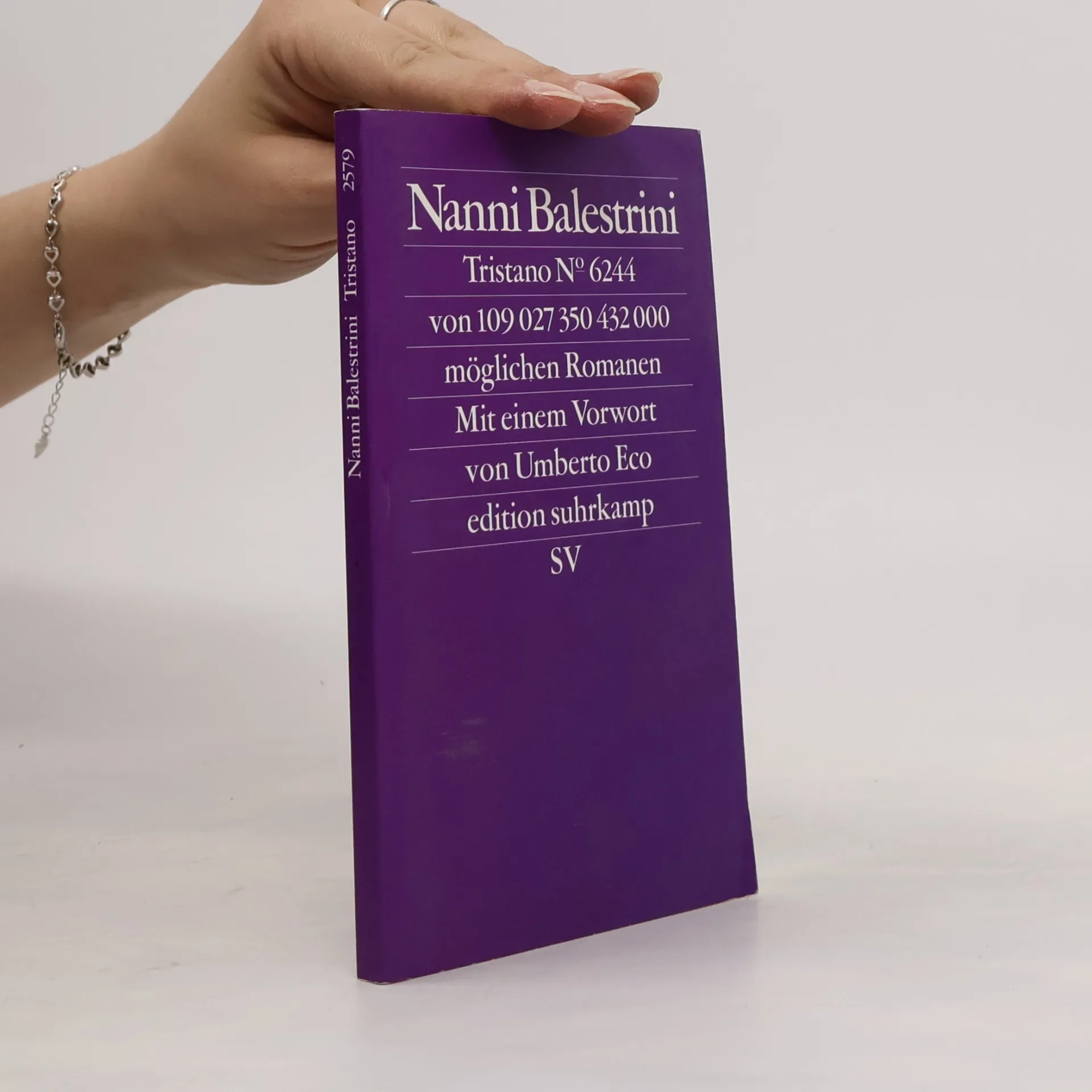
    • Tristano

      • 120 stron
      • 5 godzin czytania

      . 8vo pp. 128 Rilegato (hardback) Conservata la fascetta editoriale Molto buono (Very Good)

      Tristano2009
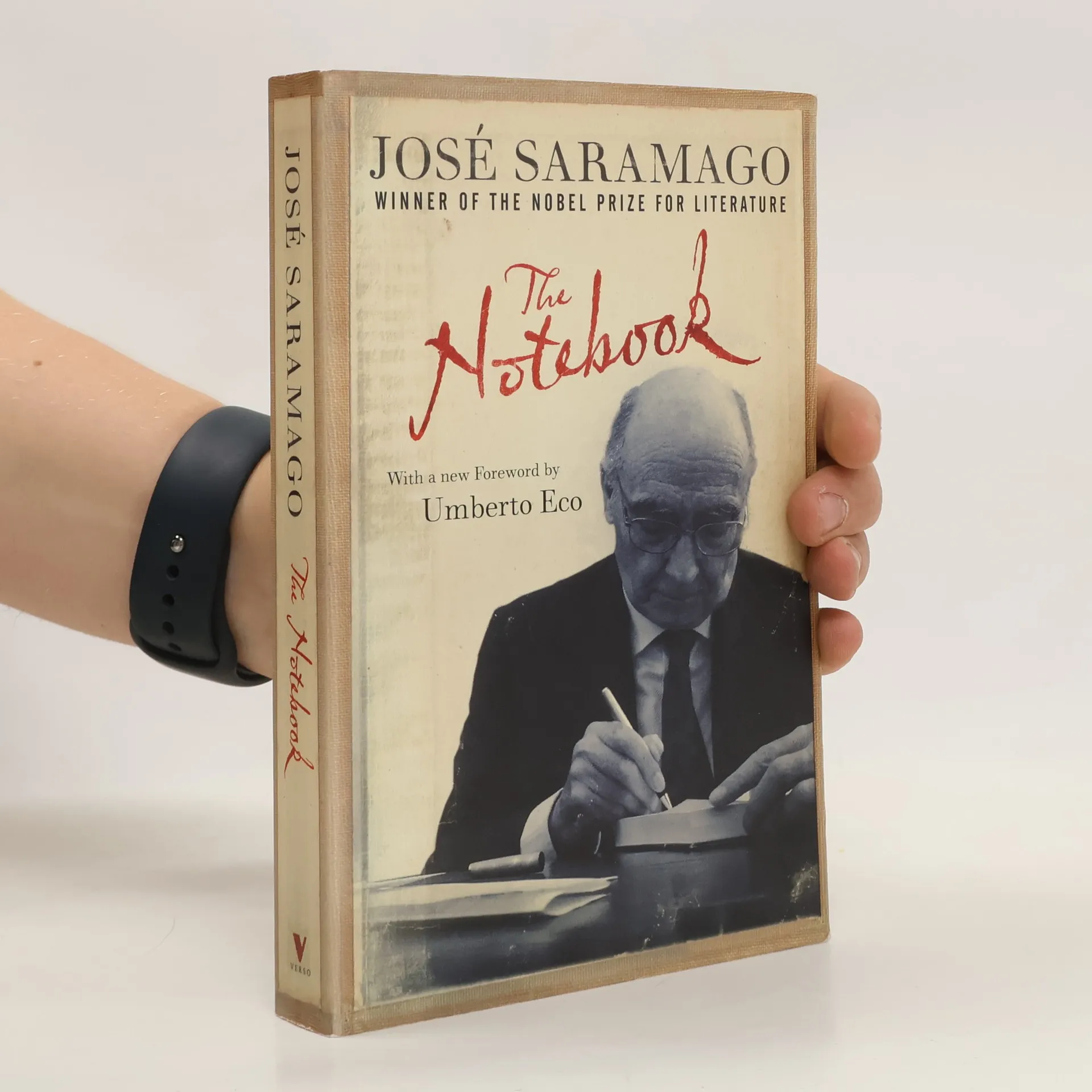
    • The Notebook

      • 284 strony
      • 10 godzin czytania

      A year in the life of the Nobel laureate on the anniversary of his death.

      The Notebook2009
      3,9
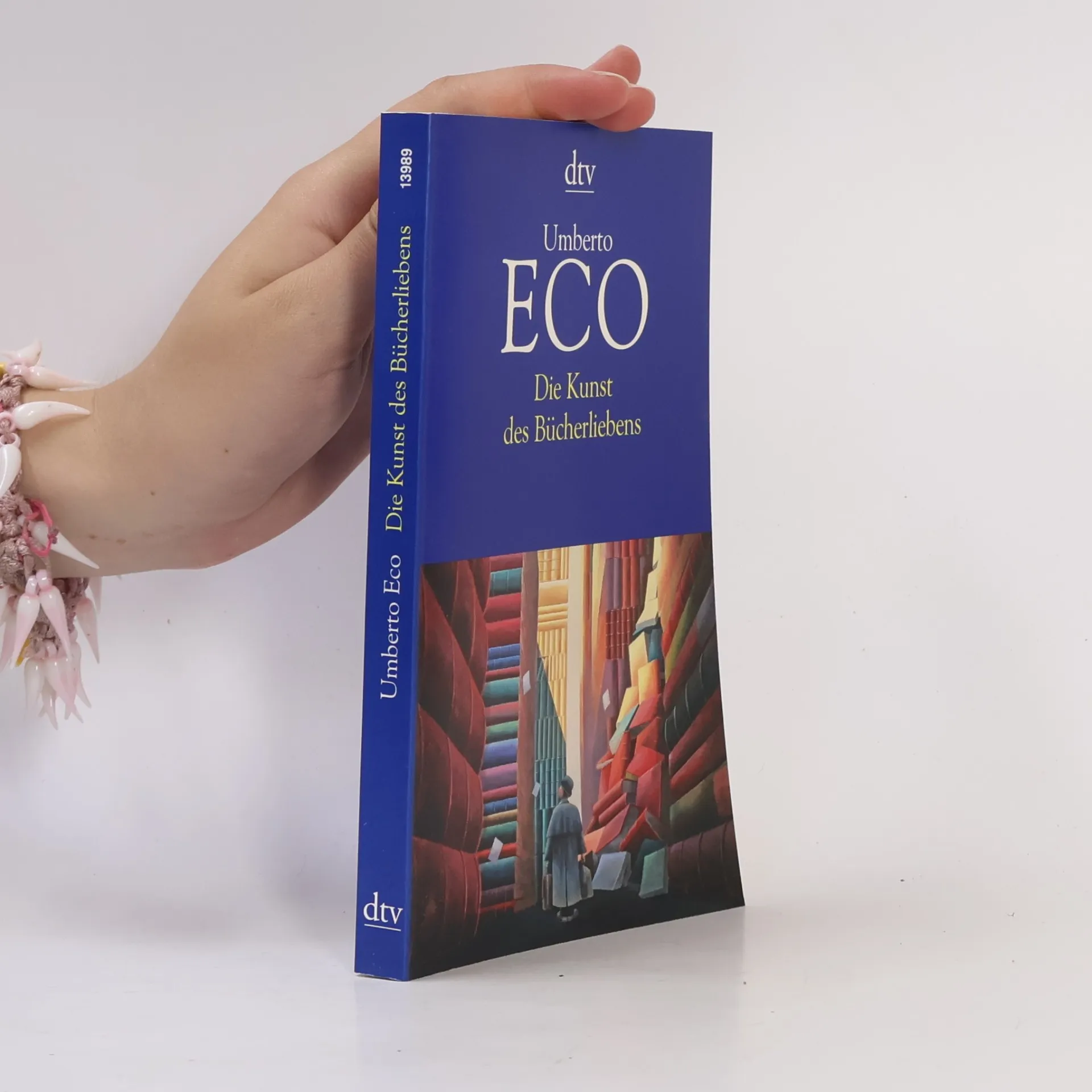
    • »Ich sage es offen, aus Liebe zu einem schönen Buch ist man bereit zu jeder Gemeinheit.« Umberto Eco Leidenschaftliche Leser möchten Bücher nicht nur lesen, sondern auch besitzen. Für sie hat Eco ›Die Kunst des Bücherliebens‹ geschrieben. Eco zeigt, dass mit Büchern, die die Geistesgeschichte seit Jahrhunderten prägen, eine ganze Kultur auf dem Spiel steht. Voller Esprit erzählt er vom Bücherlesen, Büchersammeln, Bücherbesitzen und Bücherlieben. Inhalt: Über Bibliophilie - Das pflanzliche Gedächtnis - Reflexionen über Bibliophilie - Sichtungen eines Sammlers Historica - Über das Book of Lindisfarne - Über die Très Riches Heures - Über die Insularien - Mein Migne und der andere - Der seltsame Fall der Hanau 1609 Literarische Narren (und wissenschaftliche) - Varia et Curiosa - Das Meisterwerk eines Unbekannten - War Shakespeare zufällig Shakespeare? - Innerer Monolog eines E-Books

      Die Kunst des Bücherliebens2009
      3,5
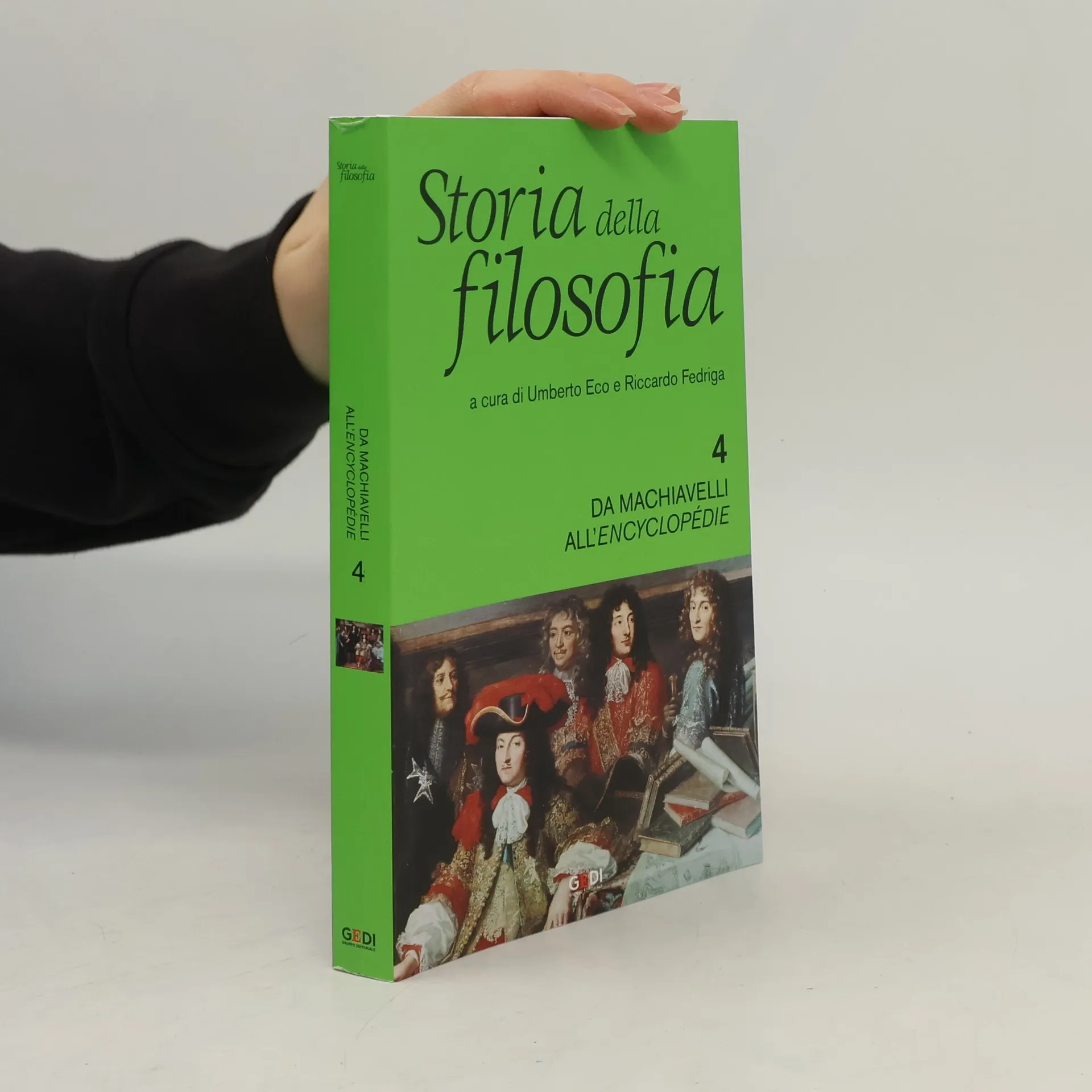
    • Szaleństwo katalogowania

      • 408 stron
      • 15 godzin czytania

      W Iliadzie Homera można dostrzec dwie metody przedstawiania rzeczy. Pierwsza to opis tarczy Achillesa, gdzie Wulkan ukazuje pełny obraz miasta, wsi oraz wojennych i pokojowych rytuałów. Druga metoda pojawia się, gdy poeta nie potrafi wymienić wszystkich wojowników Achajów, wzywając muzy, co prowadzi do katalogu okrętów – ogromnego, lecz niekompletnego. Tego rodzaju przedstawienie nazywa się listą lub wykazem. Istnieją listy zamknięte, jak spis książek w bibliotece, oraz te, które sugerują nieskończoność, wywołując uczucie zawrotu głowy. Książka ta, wraz z antologią, ukazuje bogactwo list w literaturze od Hezjoda po Joyce’a, od Ezechiela po Gaddę. Często są to wykazy pisane z upodobania do wyliczeń czy dla przyjemności łączenia elementów bez związku. W tomie badamy również, jak sztuki figuratywne potrafią przedstawiać nieskończoność, nawet w ograniczonych ramach obrazu. Czytelnik znajdzie tu listę obrazów, która również wywołuje uczucie spotkania z nieskończonością. Umberto Eco, urodzony w 1932 roku, był profesorem Uniwersytetu w Bolonii i autorem wielu istotnych prac oraz bestsellerowych powieści, takich jak Imię róży i Wahadło Foucaulta. Jego zainteresowania estetyką i teorią literatury zaowocowały znaczącymi publikacjami, a Historię piękna i Historię brzydoty, wydane w Polsce, sprzedały się w imponujących nakładach.

      Szaleństwo katalogowania2009
      4,5
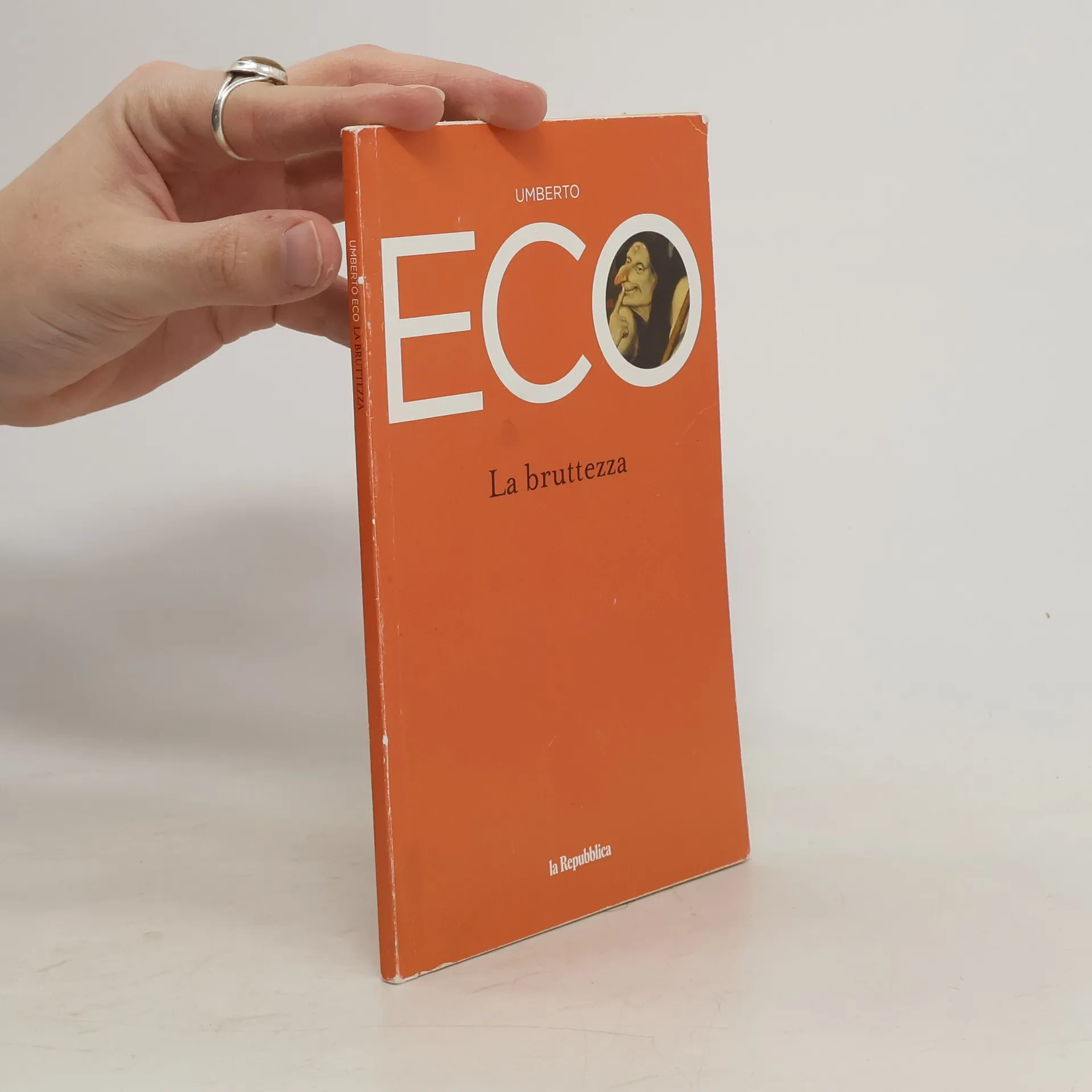
    • Historia brzydoty

      • 456 stron
      • 16 godzin czytania

      Kontynuacja wielkiego hitu Historii piękna bada złożoność brzydoty, która, choć często postrzegana jako przeciwieństwo piękna, ma znacznie bogatszą i bardziej nieprzewidywalną historię. Książka zawiera fragmenty antologii tekstów sięgających niemal trzech tysięcy lat, ilustrowanych niezwykłymi obrazami, które prowadzą nas przez różnorodne przejawy brzydoty. Zestawienie koszmaru, strachu i miłości ukazuje, jak obrzydzenie współistnieje z współczuciem, a odrzucenie deformacji z dekadencką ekstazą. W demonach, straszliwych nieprzyjaciołach i niepokojących obecnościach odkrywamy szeroką i często zaskakującą ikonografię. Spotykając brzydotę natury, duchową, asymetrię, dysharmonię oraz zniekształcenia, natrafiamy na różnorodne cechy, takie jak nikczemność, banalność, surowość i obsceniczność. Książka ukazuje, jak te elementy mogą współistnieć w zaskakujący sposób, a pierwszy zagraniczny wydawca, który zapoznał się z dziełem, wykrzyknął: Jakże piękna jest brzydota!

      Historia brzydoty2007
      4,3
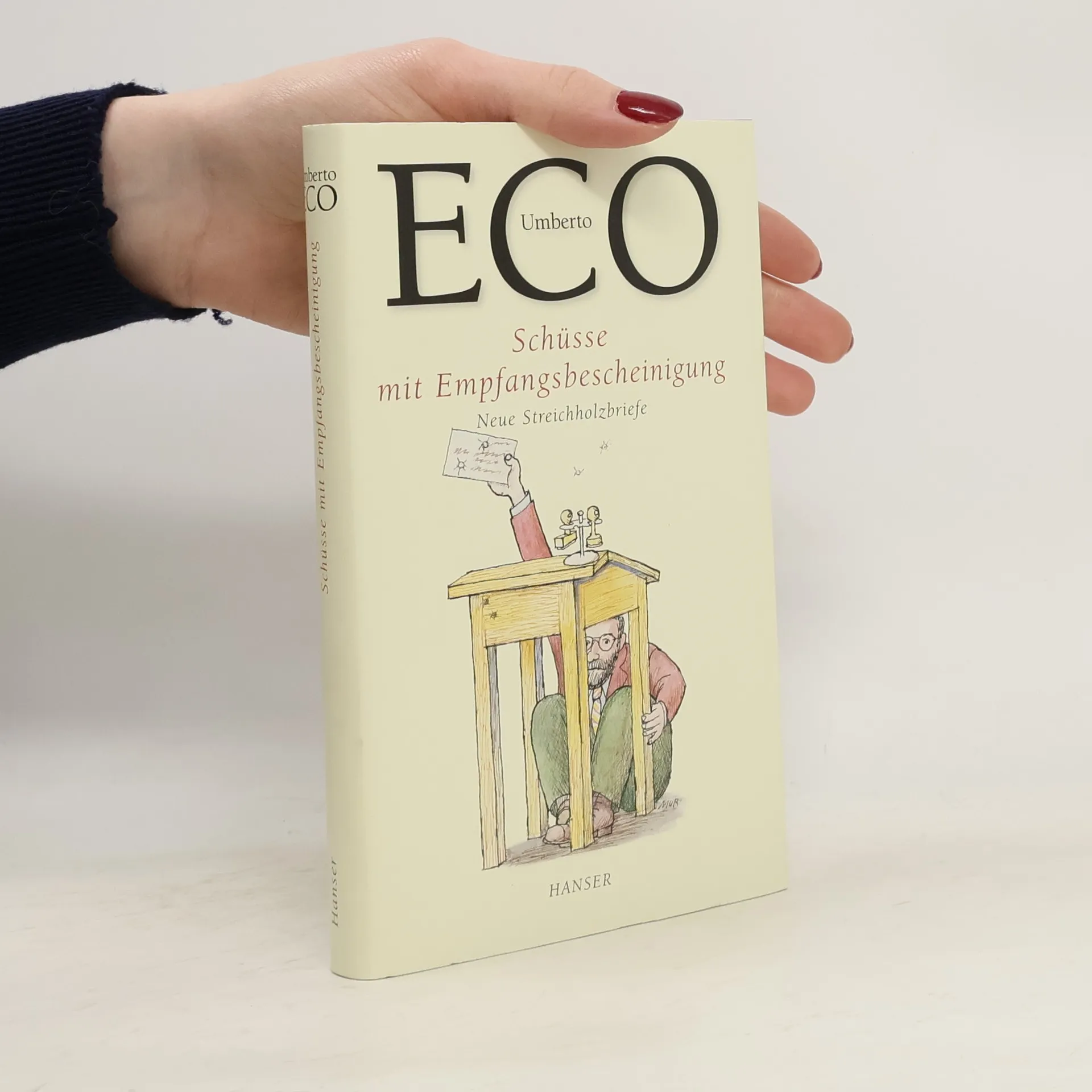
    • Soll man eher auf die Philosophen hören oder auf die Philosophinnen? Soll man Bücher sammeln oder lesen? Oder soll man einfach nur noch ins Kino gehen? Umberto Eco, einer der markantesten und unterhaltsamsten Kommentatoren unserer Alltagswelt, betrachtet in diesen scharfzüngigen Essays und Glossen Politik, Kultur und die allgemeine Lage. Es geht um Romane, Filme und Romanverfilmungen, um neue und antiquarische Bücher, Katastrophennachrichten und um den alltäglichen Krieg. Ein Feuerwerk an Belesenheit und Witz.

      Schüsse mit Empfangsbescheinigung2006
      4,2
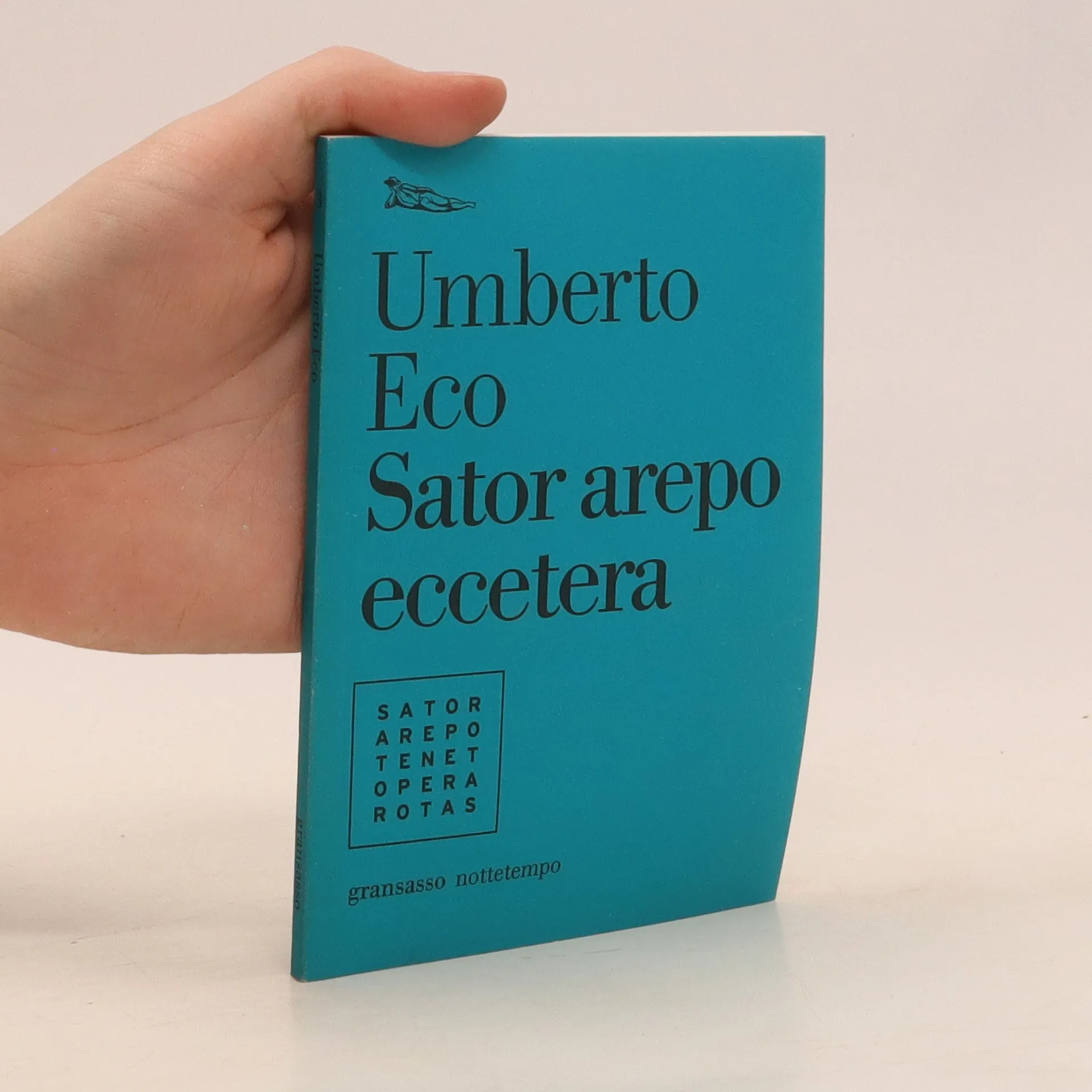
    • Sator arepo eccetera

      • 75 stron
      • 3 godziny czytania

      Omonimi, omofoni e in questo libretto originale e divertente, i giochi linguistici del grande scrittore e semiologo. Un divertissement di Eco, che ha modificato radicalmente il senso dell'opera dantesca fino a portarlo all'opposto dell'originale.

      Sator arepo eccetera2006
      3,8
    • Turning Back The Clock

      Hot Wars And Media Populism

      • 384 strony
      • 14 godzin czytania

      The time: 2000 to 2005, the years of neoconservatism, terrorism, the twenty-four-hour news cycle, the ascension of Bush, Blair, and Berlusconi, and the invasions of Afghanistan and Iraq. In this series of provocative, passionate, and witty essays, Umberto Eco examines a wide range of phenomena, from Harry Potter, the Tower of Babel, talk shows, and the Enlightenment to The Da Vinci Code/ What led us, he asks, into this age of hot wars and media populism, and how was it sold to us as progress? In Turning Back the Clock, the bestselling author and respected scholar turns his famous intellect toward events both local and global to look at where our troubled world is headed.

      Turning Back The Clock2006
      3,8
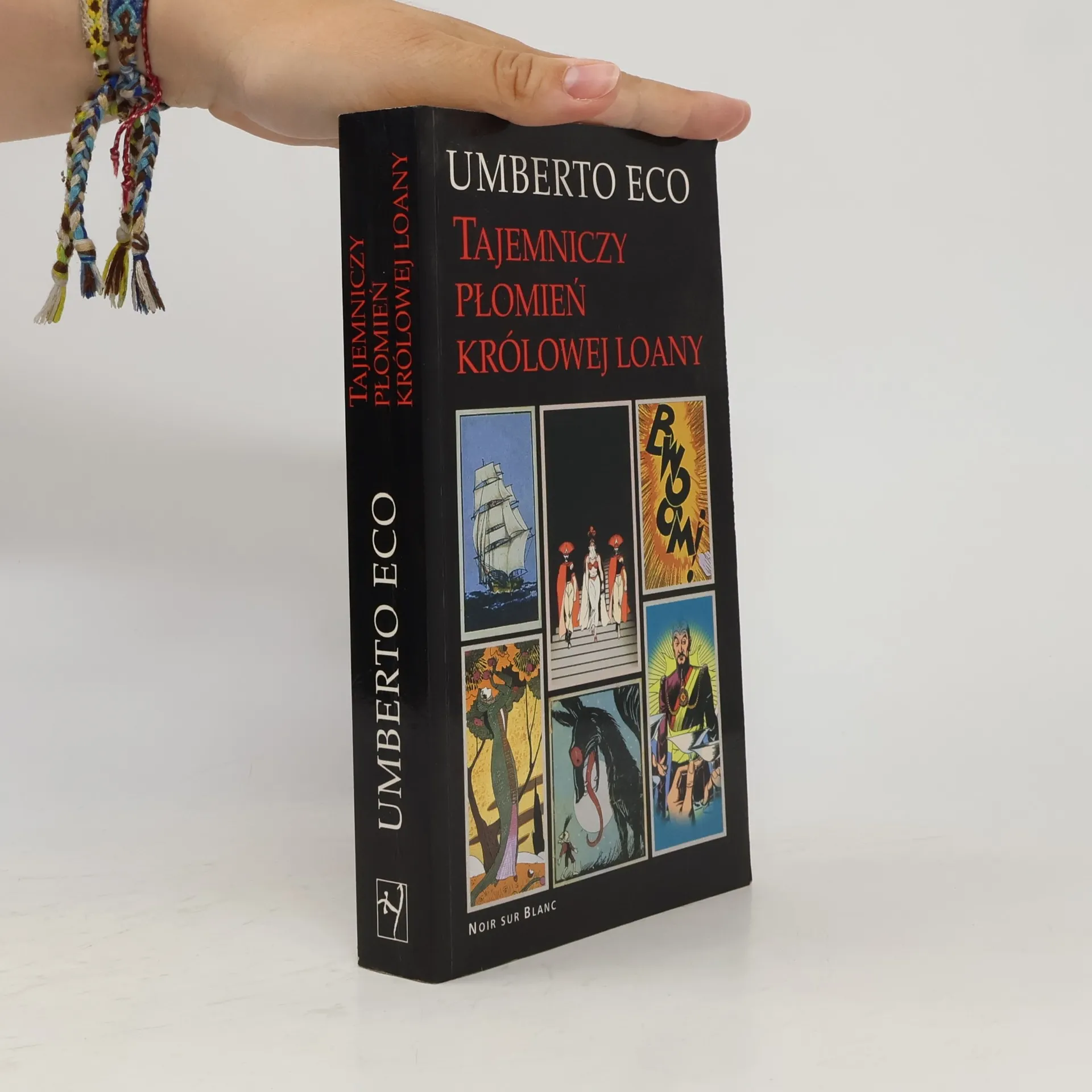
    • Tajemniczy płomień królowej Loany

      • 454 strony
      • 16 godzin czytania

      W 1991 roku Gambattista Boddoni, 59-letni antykwariusz, zwany Yambo, wychodzi ze śmierci klinicznej, lecz nie może sobie przypomnieć swojego imienia i nazwiska. Początkowo twierdzi za Edgarem Allanem Poe, że nazywa się Arthur Gordon Pym, następnie przerzuca się na postaci z powieści Melvillea, Kafki, DAnnunzia. Yambo zachowuje pamięć encyklopedyczną, zdobyte wykształcenie, pamięta wszystkie wydarzenia historyczne od Juliusza Cezara do Napoleona, operuje prawidłowo językiem wraz z jego idiomami, powiedzonkami, oryginalnymi aforyzmami, recytuje bezbłędnie wiersze, które kiedyś przeczytał i zmagazynował w swym umyśle, ale nie poznaje żony Paoli ani córek. Paola tłumaczy mu, jak się nazywa, że jest antykwariuszem i ma dwie córki, lecz to biografia pożyczona, narzucona przez żonę. Kim naprawdę jest Yambo? Paola wysyła męża na wieś, do domu, w którym jako dziecko spędzał wakacje i dokąd podczas wojny został ewakuowany wraz z rodziną z Alessandrii.

      Tajemniczy płomień królowej Loany2005
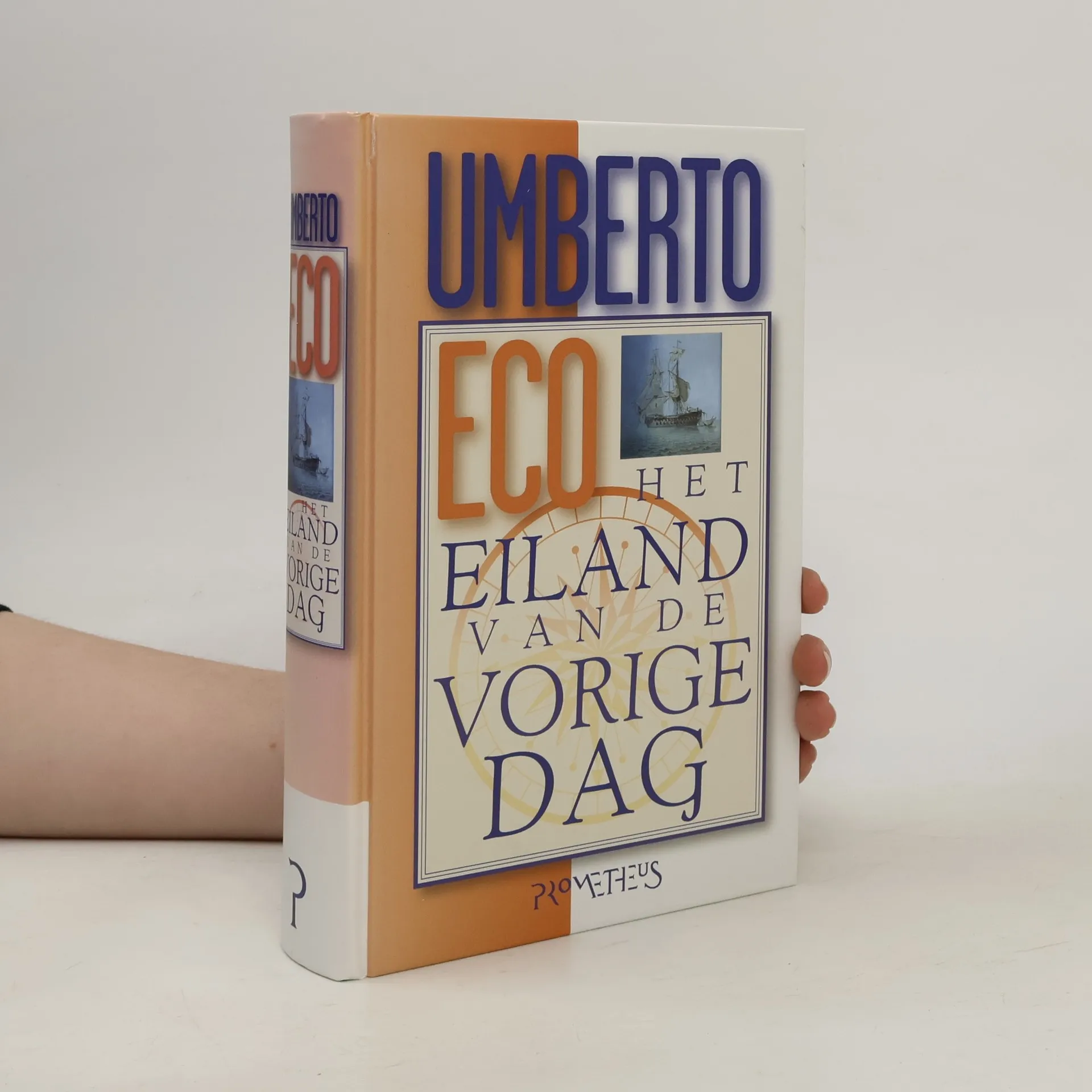
    • Het eiland van de vorige dag / druk 25

      • 489 stron
      • 18 godzin czytania

      Tegen de achtergrond van het zeventiende-eeuwse Europa wordt de zoektocht beschreven die de hoofdpersoon onderneemt naar de 180e meridiaan en de liefde die hij opvat voor een onbereikbare schone.

      Het eiland van de vorige dag / druk 252005
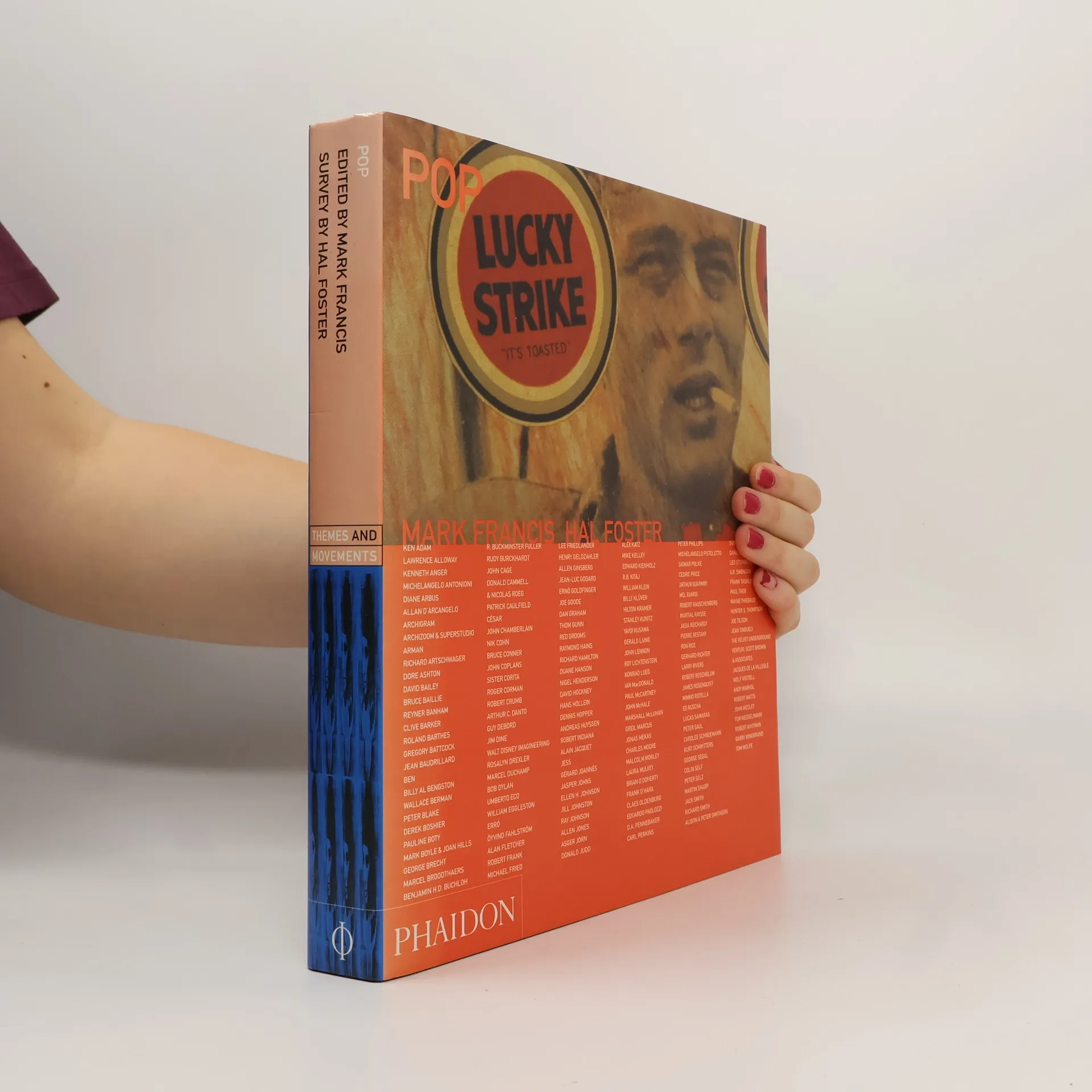
    • Themes and Movements: Pop

      • 304 strony
      • 11 godzin czytania

      Exploring the evolution of Pop culture from the late 1950s to the late 1960s, this comprehensive survey examines its impact on art, film, photography, and architecture, highlighting the interplay between mass production and mass media. Unlike other works that focus solely on Pop art, it offers a holistic view of the movement's influence across America, Britain, and Europe, showcasing its diverse manifestations and cultural significance during this transformative era.

      Themes and Movements: Pop2005
      4,0
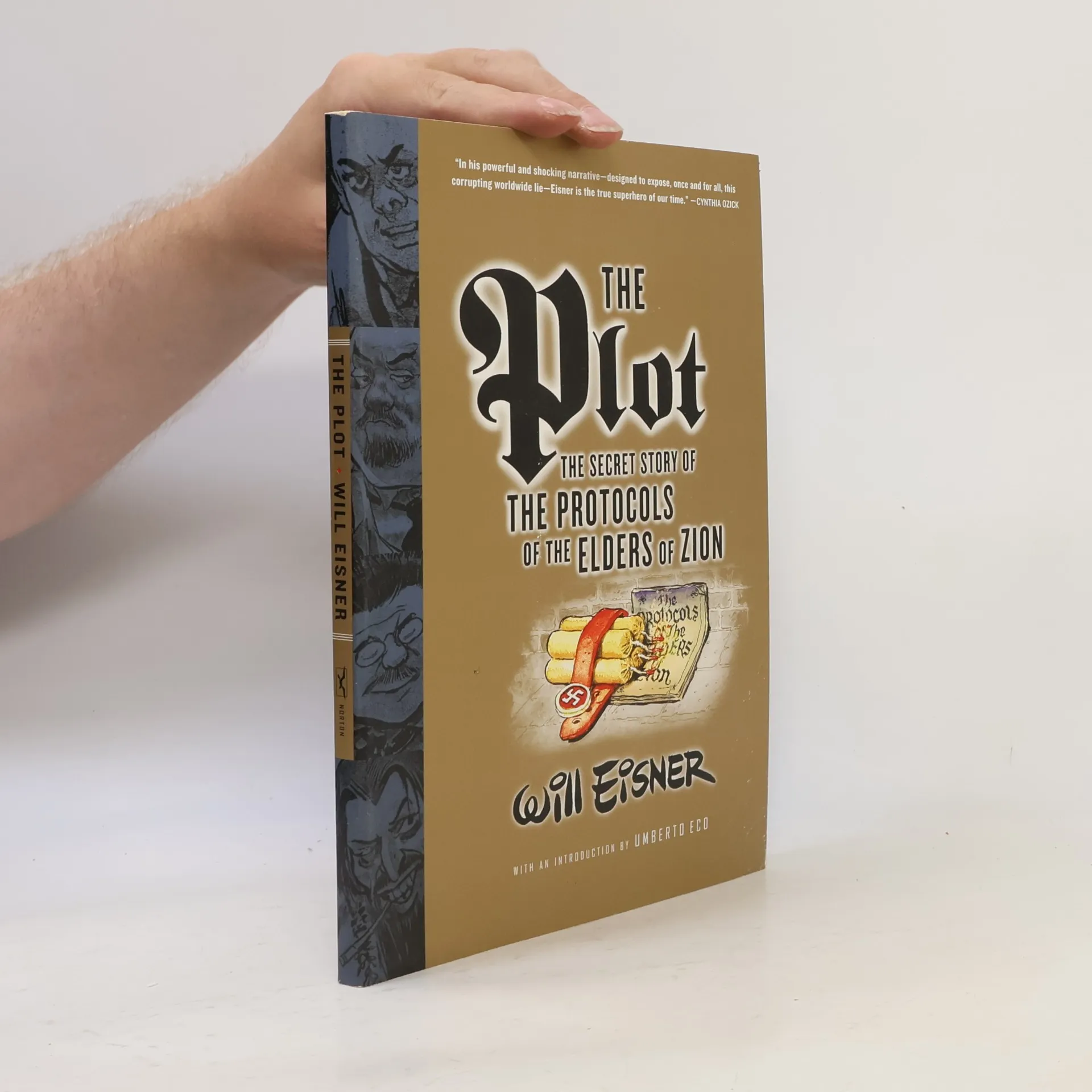
    • Presented in graphic-novel format, an examination of the 1905 plot fabricated by anti-Semitic secret police that was used to accuse Jewish leaders of wanting to take over the world discusses the contributions of such individuals as Tsar Nicholas II, Henry Ford, and Adolph Hitler, tracing how Protocols became an internationally accepted truth and tragically succeeded far beyond propagandistic ambitions. 50,000 first printing.

      The plot : the secret story of The protocols of the elders of Zion2005
      3,8
    • Interpretation and Overinterpretation

      • 164 strony
      • 6 godzin czytania

      The book features a provocative exploration of literary interpretation, blending Eco's expertise as a novelist and literary theorist. With a humorous and insightful approach, he navigates a wide array of topics, drawing connections between influential figures like Dante, Chomsky, and Derrida. Eco's unique style shines through, making complex ideas accessible and engaging for readers interested in the nuances of literature and its interpretation.

      Interpretation and Overinterpretation2004
      4,0
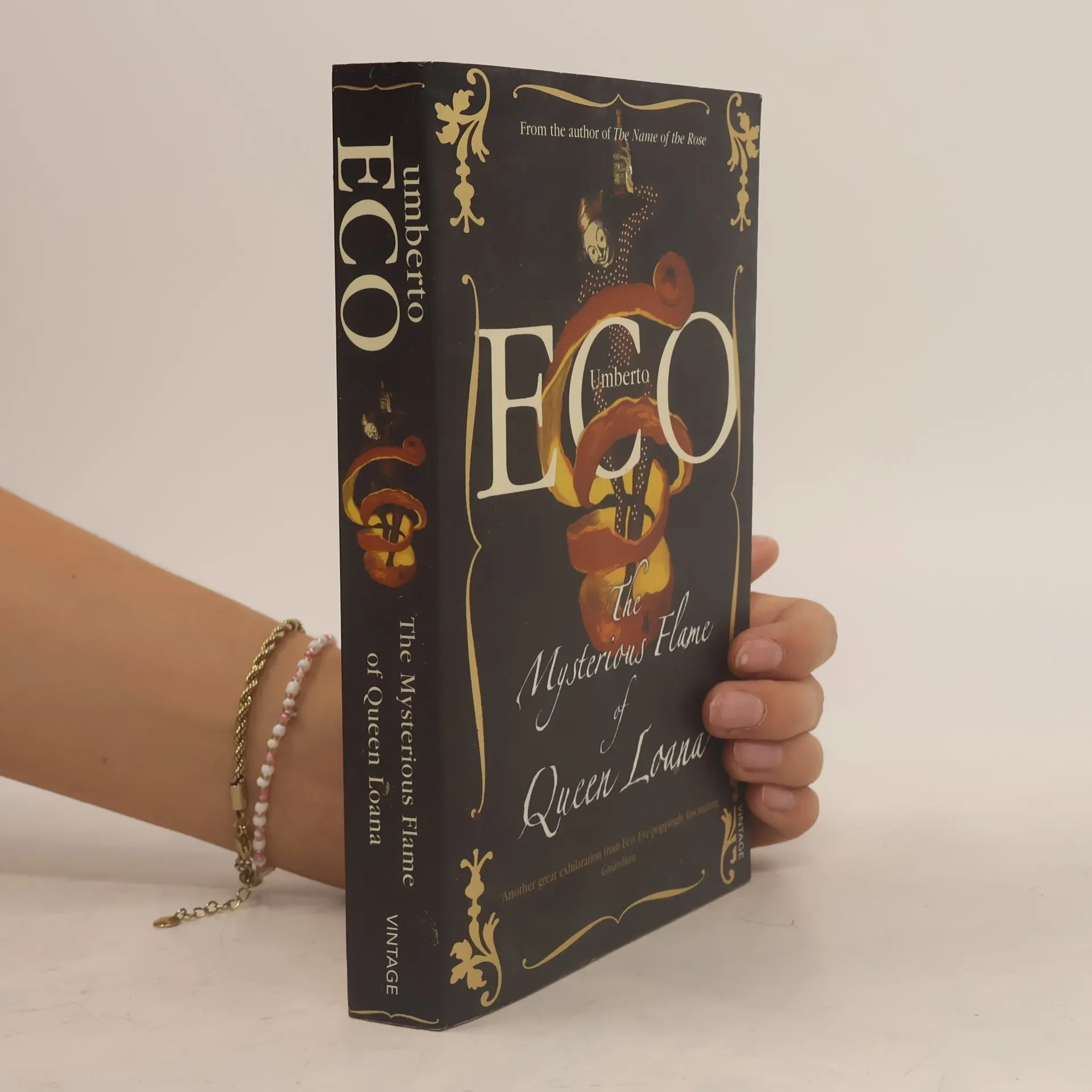
    • The mysterious flame of queen Loana

      • 464 strony
      • 17 godzin czytania

      Yambo, a sixty-ish rare book dealer who lives in Milan has suffered a loss of memory; not the kind of memory neurologists call 'semantic' (Yambo remembers all about Julius Caesar and can recite every poem he has ever read), but rather his 'autobiographica

      The mysterious flame of queen Loana2004
      3,4
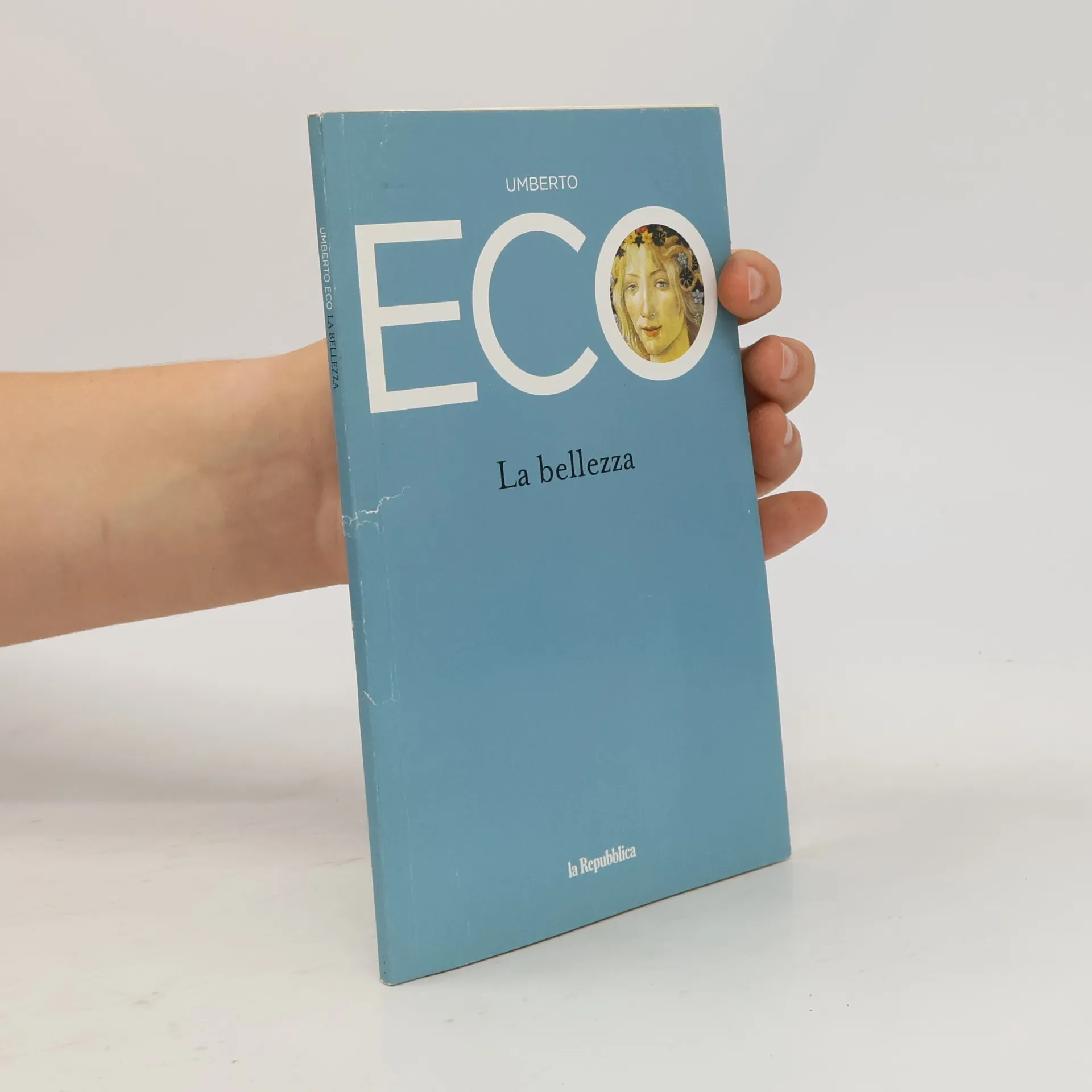
    • Historia piękna

      • 440 stron
      • 16 godzin czytania

      Estetyczna i intelektualna przygoda z arcydziełami wszech czasów! Piękno dostrzegamy w różnych elementach, takich jak gwiazdy, ptaki, ryby i ludzie. Brak subtelnej wyobraźni może prowadzić do niewłaściwego postrzegania piękna, a każdy pragnie tej subtelności, uznawanej za miarę gustów. Piękno i śmierć są głębokimi istotami, które łączą tajemnicę życia. Piękno jest prawdą, a prawda pięknem - to jedyna wiedza, którą warto posiadać na ziemi. Zawiera ono odrobinę dziwaczności, co czyni je szczególnie pięknym. Książka, ilustrowana obrazami stu arcydzieł, nie jest kompendium wiedzy o sztuce. Obrazy oraz cytaty od Pitagorasa po współczesnych autorów odzwierciedlają różnorodne pojęcia piękna na przestrzeni dziejów. Ukazuje, jak pojmowano piękno natury, kwiatów, zwierząt, ciała ludzkiego, gwiazd, proporcji matematycznych, światła, drogocennych kamieni, Boga i szatana. Na podstawie tekstów filozofów, pisarzy, mistyków i artystów można dostrzec, jak piękno odczuwali zwykli ludzie. W różnych epokach i kulturach ścierały się różnorodne koncepcje piękna. Czytelnik ma szansę odkryć, czy w tych różnorodnych przejawach koncepcja piękna zachowała pewne stałe cechy, przeżywając pasjonującą przygodę estetyczną i intelektualną.

      Historia piękna2004
      4,0
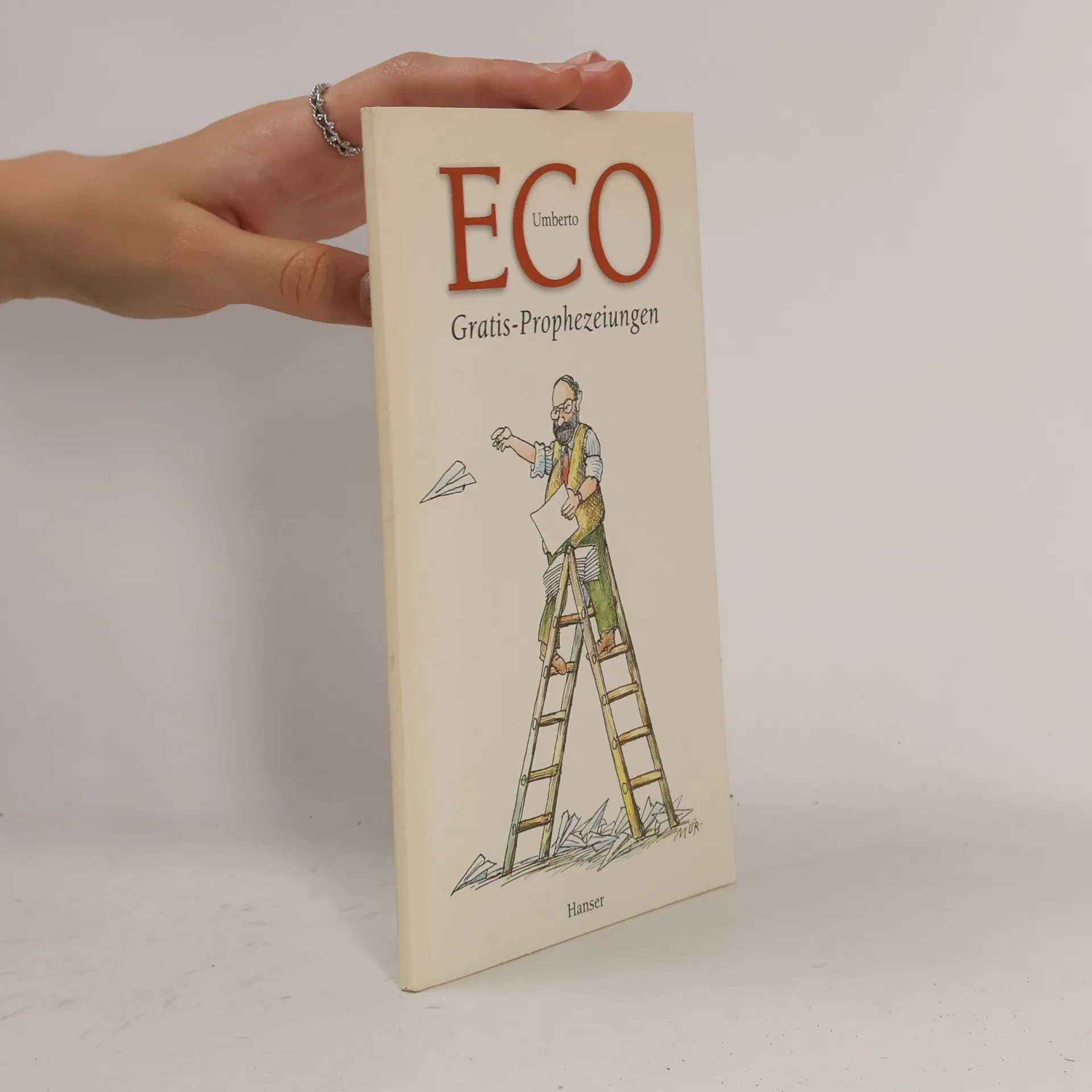
    • Gratis-Prophezeiungen

      • 47 stron
      • 2 godziny czytania

      Wie wählt man einen Präsidenten? Werden wir im allgemeinen Lärm bald paketweise Stille kaufen? Wird auf die großen Kriege mehr folgen als ein kleiner Frieden? Umberto Eco liefert hier gratis ein paar Prophezeiungen zum Stand der gegenwärtigen Dinge, wobei der scharfsinnigen Ironie dieses großen Schriftstellers und Polemikers natürlich keines der "Wunder" dieses wunderbaren Jahrtausends entgeht.

      Gratis-Prophezeiungen2003
      3,8
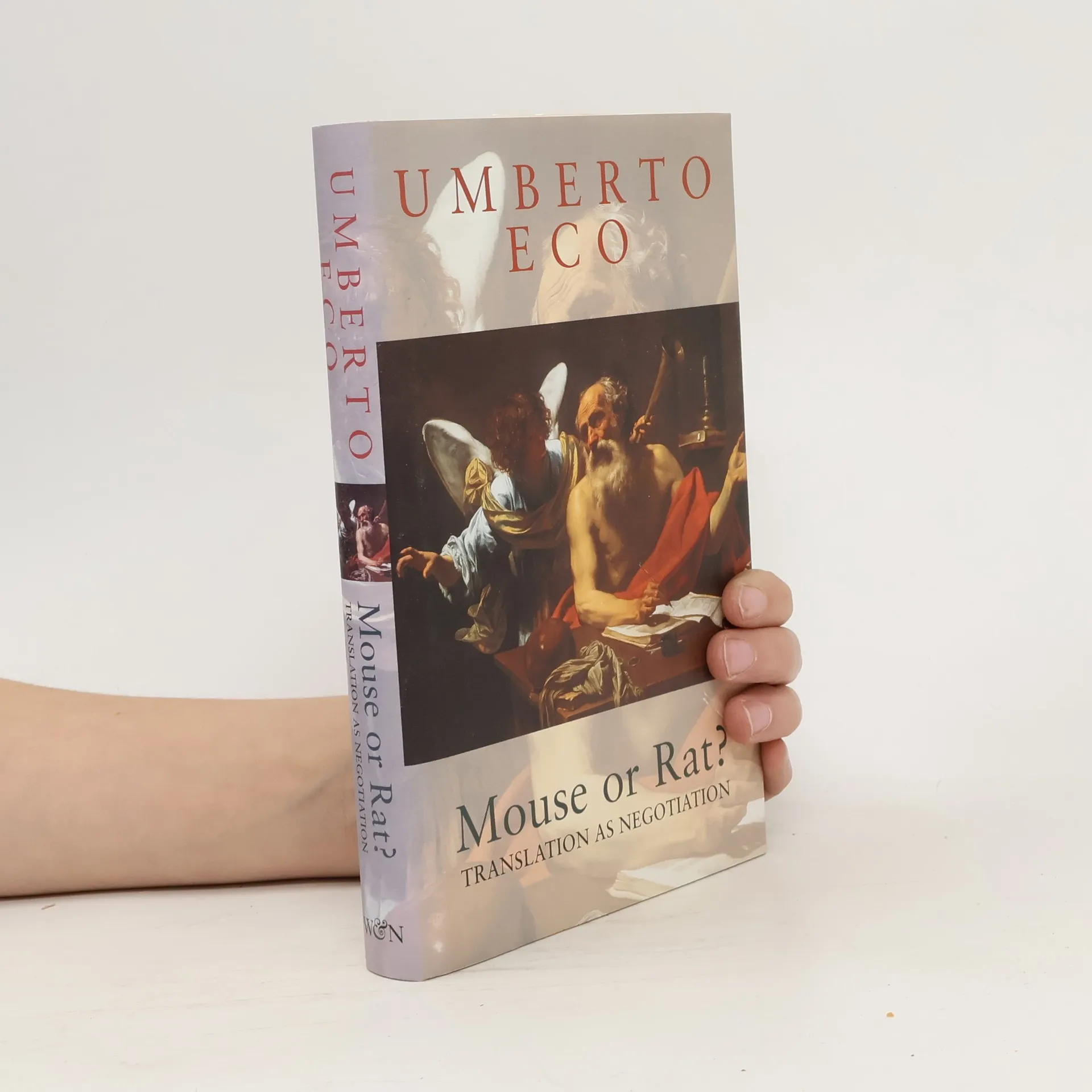
    • Mouse or Rat?

      • 164 strony
      • 6 godzin czytania

      Based on a series of lectures on translation these essays are thought-provoking and compelling discussions on the difficulties of translating faithfully. Using examples from classic literary texts including his own bestselling novels Eco examines the rights and wrongs, the misunderstandings and the 'negotiations' needed in order to translate. He examines various problems in translation with great wit and humour. Pointing out the pitfalls of literal translation, he asks a machine to translate the beginning of the Bible into Spanish then back into English, then into German and then again back into English. The result is very funny but as Eco points out, it is still vaguely recognisable as a version of the Bible and obviously not the first adventure of Harry Potter. He discusses every form of interpretation and expression from poetry to film and music always demonstrating with vivid examples the disastrous but often hilarious outcome of mistranslation.The main point of all these essays is that translation is always a matter of negotiation; whether it be a loss or a gain on either side a translator's job is to decide what elements are vital and which may be neglected.

      Mouse or Rat?2003
      3,8
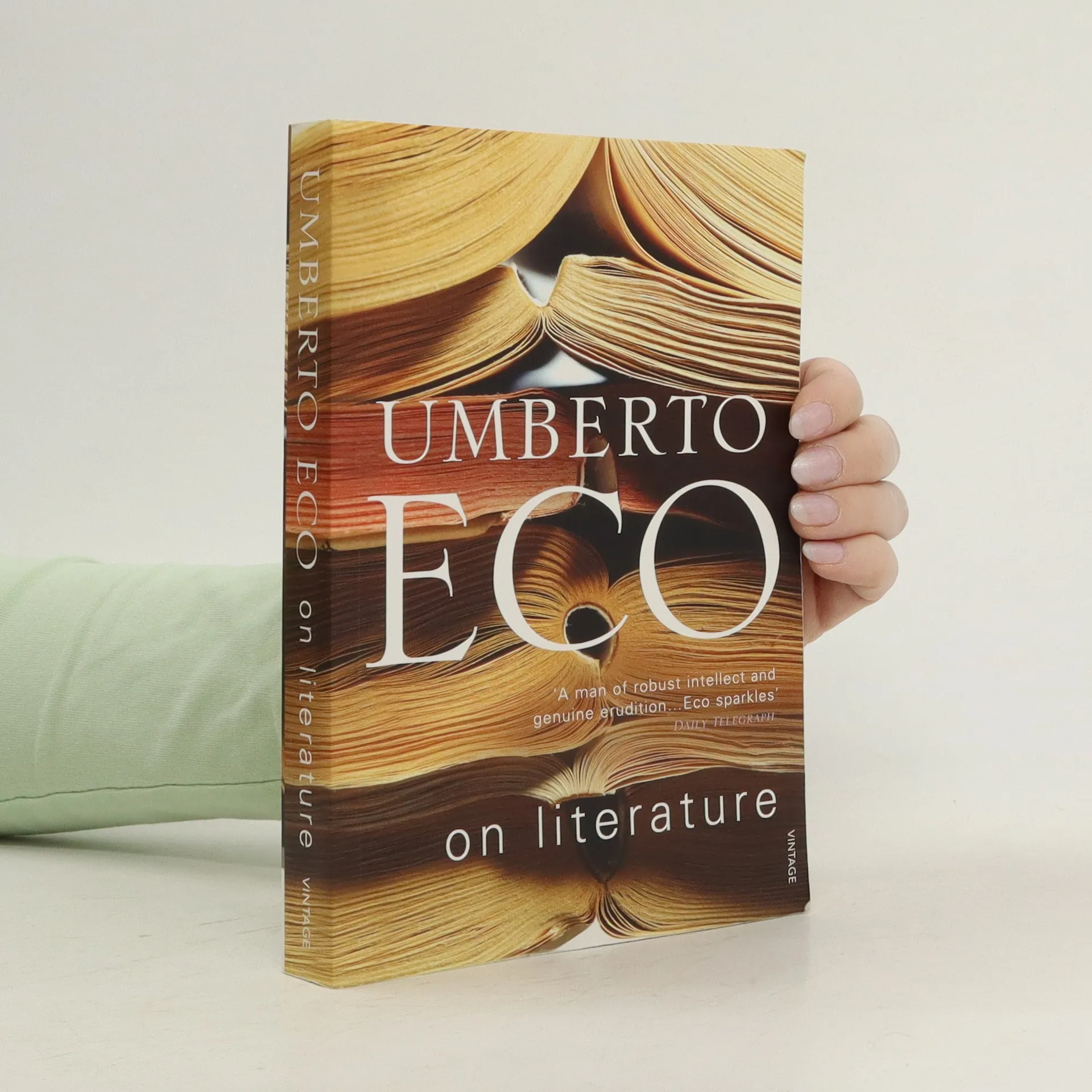
    • On literature

      • 352 strony
      • 13 godzin czytania

      Remarkably accessible and unfailingly stimulating, this collection of essays exhibits the diversity of interests and the depth of knowledge that made Umberto Eco one of the world's leading writers. From musings on Ptolemy and reflections on the experimental writing of Borges and Joyce, to revelations of his own authorial ambitions and fears, Eco's luminous intelligence is on display throughout. This volume will appeal to anyone interested in how new light is shed on old masters by a great contemporary mind.

      On literature2003
      4,0
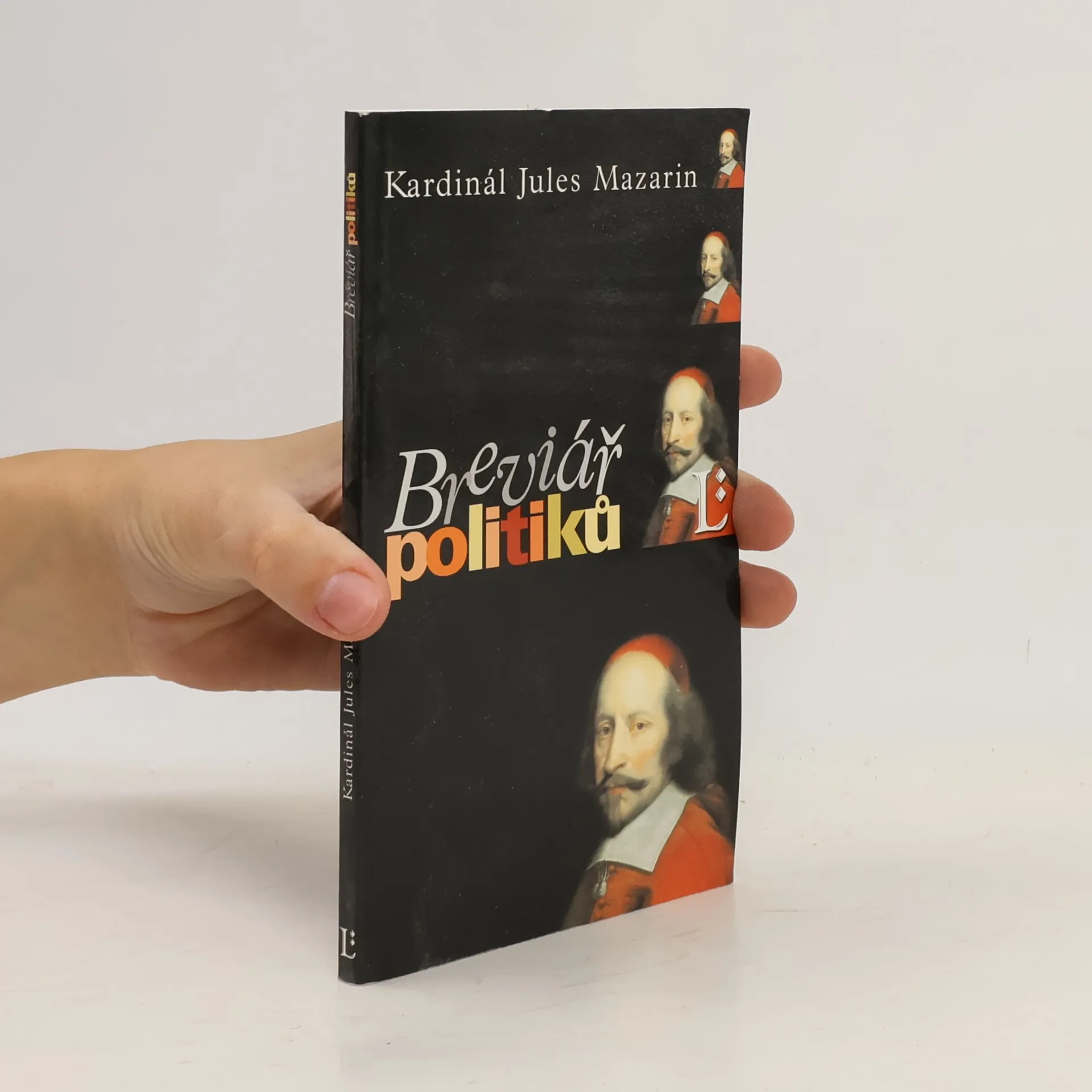
    • Breviář politiků

      • 116 stron
      • 5 godzin czytania

      Získávaje stále přízeň mocných, uměl Mazarin odstranit své nepřátele, dostat se na první místo a udržet si je během dvou vlád až do své smrti. Lze tedy v jeho breviáři najít několik pragmatických lekcí, které ještě dnes mohou být užitečné každému vlivnému člověku. Byť se prohnaný kardinál nezatěžuje morálkou ani spravedlností, staví na odiv udivující svěžest, a dokonce určitou naivitu.

      Breviář politiků2002
      5,0
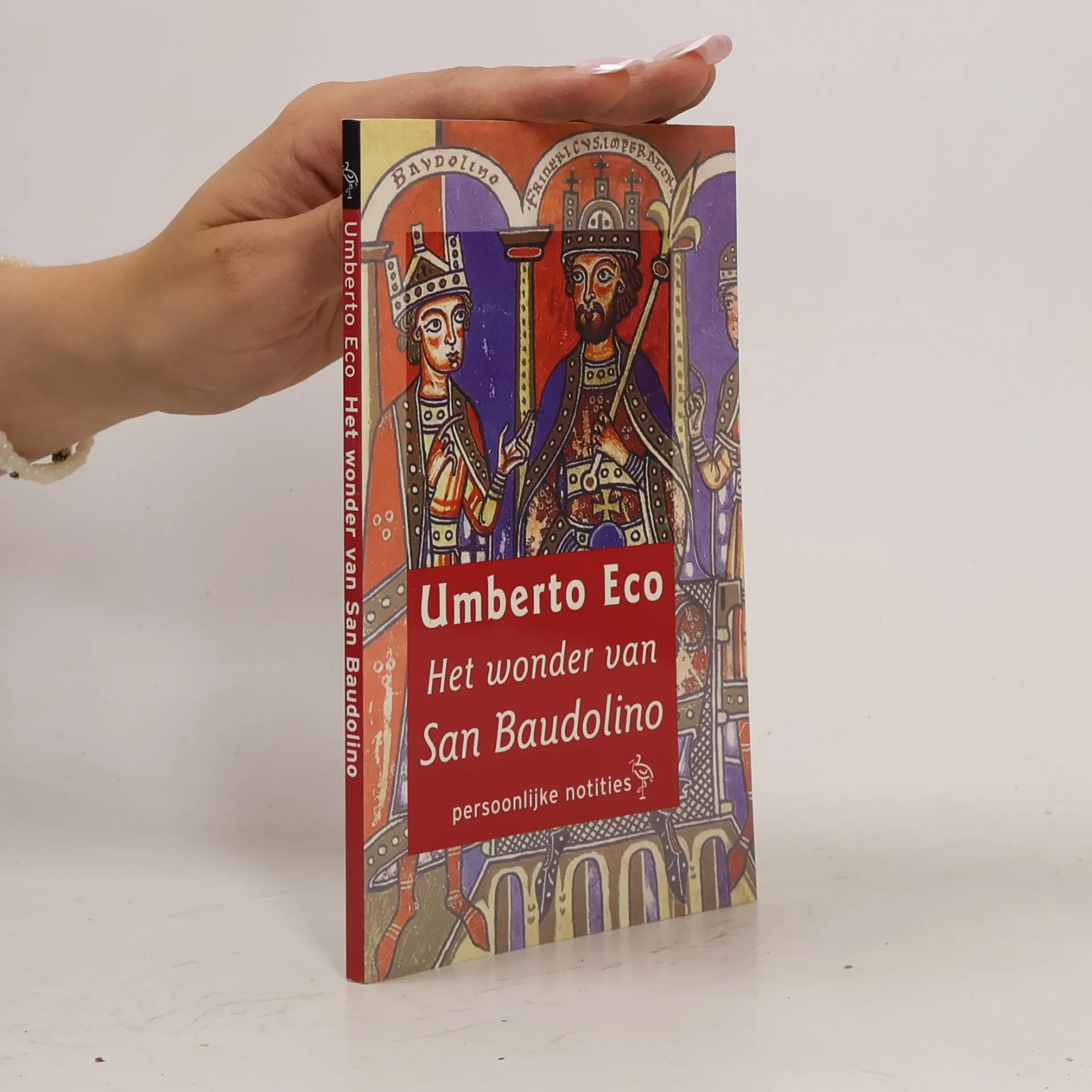
    • Het wonder van San Baudolino

      persoonlijke notities

      • 71 stron
      • 3 godziny czytania

      In 'het wonder vna San Baudolino' laat Eco zich van zijn beste kant zien: het boek bevat spitsvondige, erudiete en hilarische stukken over de meest uiteenlopende onderwerpen, in Eco's bekende superieure stijl geschreven.

      Het wonder van San Baudolino2001
    • Sämtliche Glossen und Parodien

      • 585 stron
      • 21 godzin czytania

      Was haben Derrick und sexuelle Repression miteinander zu tun? Umberto Eco verknüpft sie zu einer provozierenden und unterhaltsamen Geschichte der Alltagskultur, die er hier in seinen gesammelten Glossen zum Besten gibt. Ein Buch, das stundenlanges Lesevergnügen verspricht ...§

      Sämtliche Glossen und Parodien2001
      4,1
    • W tej książce Umberto Eco argumentuje, że tłumaczenie nie polega na porównywaniu dwóch języków, lecz na interpretacji tekstu w dwóch różnych językach, co wiąże się z przesunięciem między kulturami. Eco, jako autor, którego prace ukazały się w wielu językach, wykorzystuje swoje znaczne doświadczenie praktyczne, aby zidentyfikować i omówić niektóre centralne problemy tłumaczenia. Jak przekonująco pokazuje, tłumaczenie może wyrażać głęboki sens tekstu, nawet gdy narusza zarówno leksykalną, jak i referencyjną wierność. Przedstawiając tłumaczenie jako zadanie semiotyczne, posługuje się szerokim zakresem materiałów źródłowych jako ilustracją: tłumaczeniami własnych i innych powieści, tłumaczeniami dialogów amerykańskich filmów oraz różnymi wersjami Biblii. W drugiej części swojego badania zajmuje się teoriami tłumaczenia proponowanymi przez Jakobsona, Steinera, Peirce'a i innych. Eco identyfikuje różne typy aktów interpretacyjnych, które można uznać za tłumaczenie, co prowadzi do powstania nowej typologii, opartej na zdroworozsądkowym podejściu i konieczności przyjęcia krytycznego stanowiska.

      Prawie to samo. O doświadczeniu przekładu2001
      4,1
    • Exercises in Style

      • 128 stron
      • 5 godzin czytania

      On a crowded bus at midday, the narrator observes one man accusing another of jostling him deliberately. When a seat is vacated, the first man takes it. Later, in another part of town, the man is spotted again, while being advised by a friend to have another button sewn onto his overcoat. Exercises in Style retells this apparently unremarkable tale ninety-nine times, employing a variety of styles, ranging from sonnet to cockney to mathematical formula. Too funny to be merely a pedantic thesis, this virtuoso set of themes and variations is a linguistic rust-remover, a guide to literary forms and a demonstration of imagery and inventiveness.

      Exercises in Style2001
      4,1
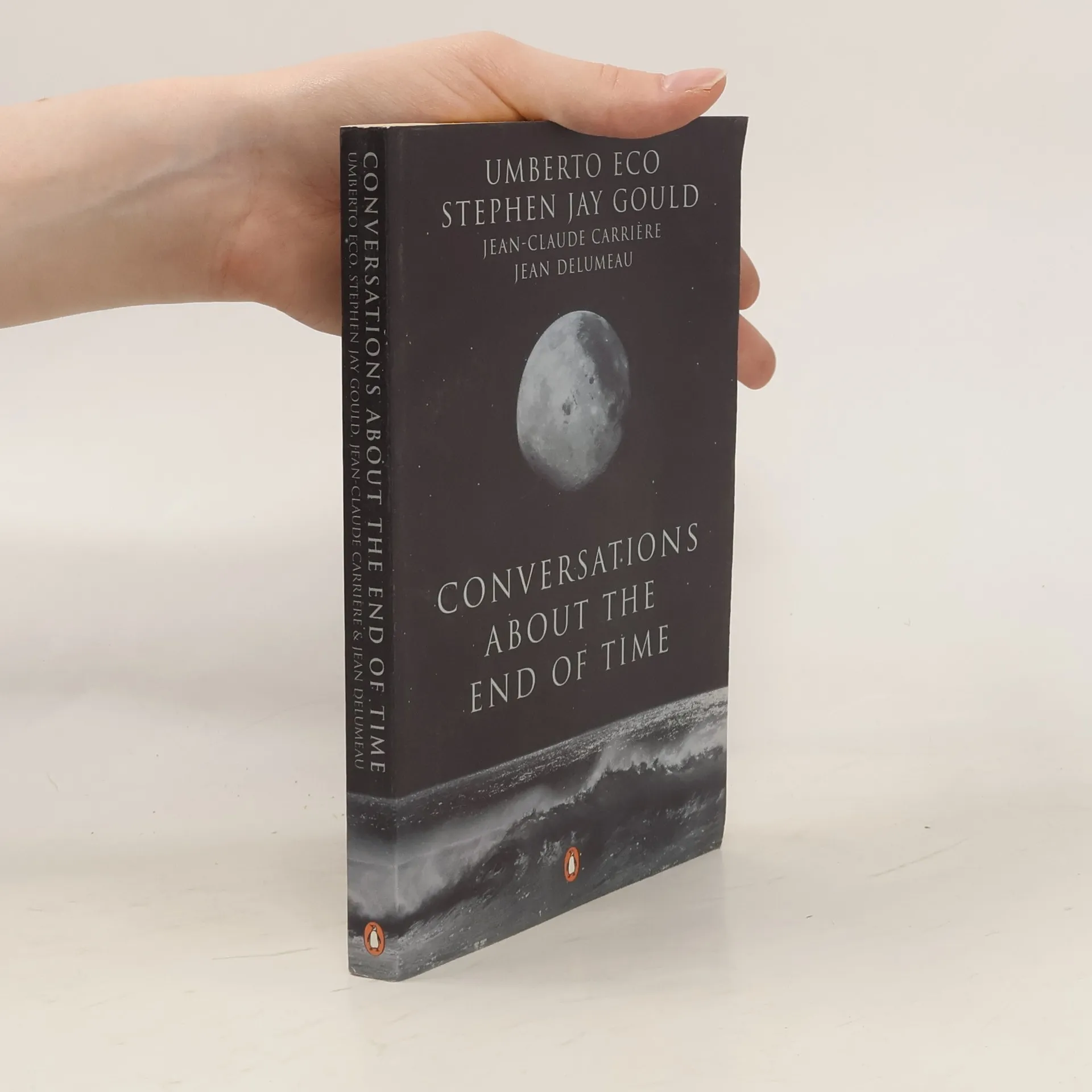
    • Conversations about the End of Time

      • 228 stron
      • 8 godzin czytania

      Where does our fascination with the Apocalypse come from? Is time cyclical or linear? Can society survive without ideology? Can children be philosophers? The contributors examine these questions and other of our preoccupations, cast back to the fears and hopes of previous generations and examine the challenges to come.

      Conversations about the End of Time2000
      3,8
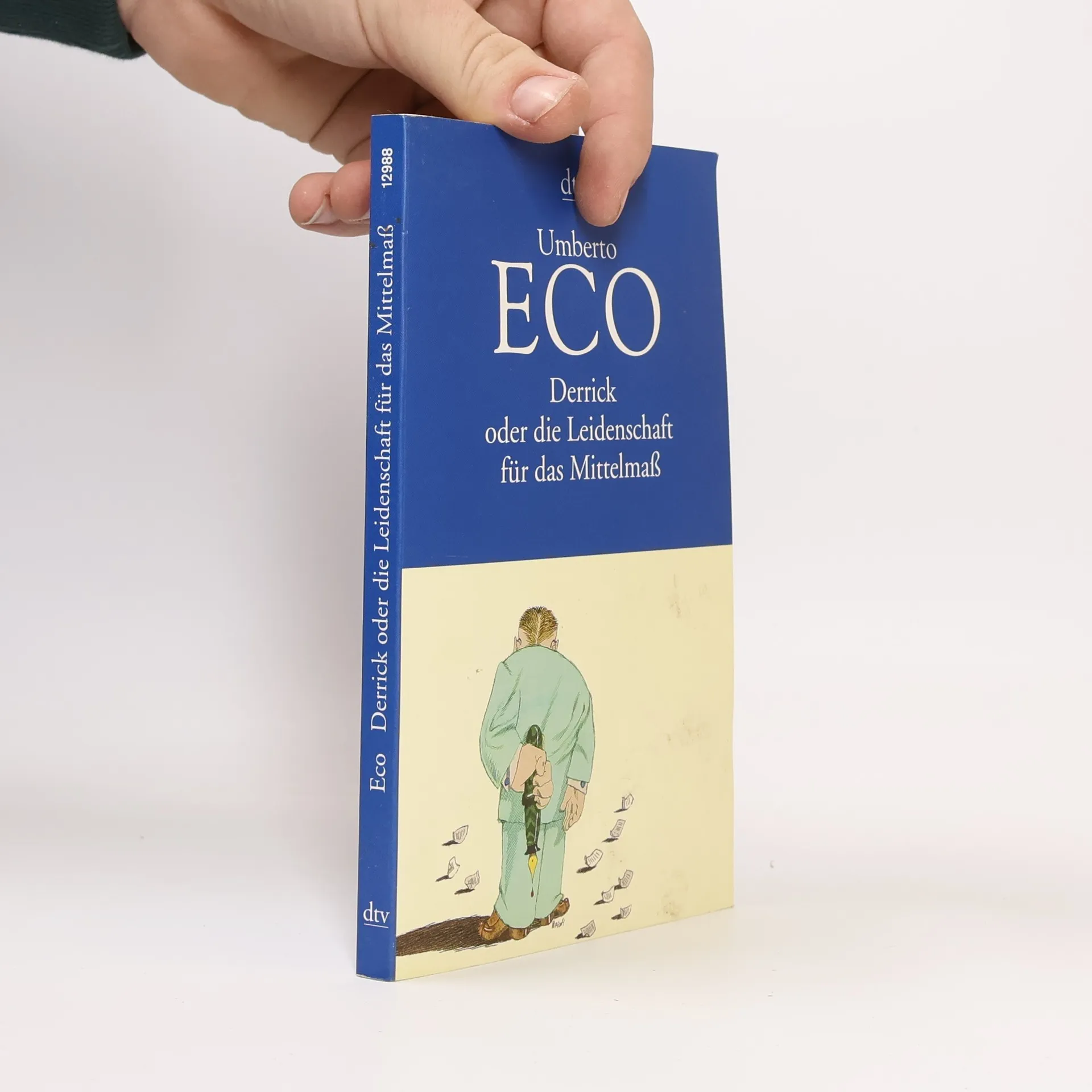
    • Ironisch und intelligent, scharfsinnig und unterhaltsam: Der dritte Band der berühmten »Streichholzbriefe«. Sein Name ist Derrick. Stefan Derrick. Gibt es etwas Deutscheres als diesen Kommissar, die vollkommene Verkörperung von Durchschnittlichkeit und Phlegma? Und doch hat der Mann im ewig grauen Anzug große internationale Karriere gemacht, die kein Kulturkritiker jemals für möglich gehalten hatte. Wer sonst als Umberto Eco, Philosoph, Spurenleser und glänzender Polemiker, wäre imstande, uns solch ein Medien-Phänomen so brillant zu erklären? Ironisch und intelligent, scharfsinnig und unterhaltsam: In Ecos drittem Band mit den berühmten Glossen, Parodien und Geschichten, die seit Mitte der 80er Jahre jede Woche auf der letzten Seite des römischen Nachrichtenmagazins ›L‘ Espresso‹ erscheinen, werden Clintons erotische Verfehlungen, die Angst vor der Übermacht des Computers und dem Untergang der Buchkultur untersucht und der Leser darüber aufgeklärt, was Fred Astaire und Ginger Rogers mit der italienischen Politik zu tun haben oder in welchem Sinne Fußball eine sexuelle Perversion darstellt.

      Derrick oder die Leidenschaft für das Mittelmaß2000
      4,0
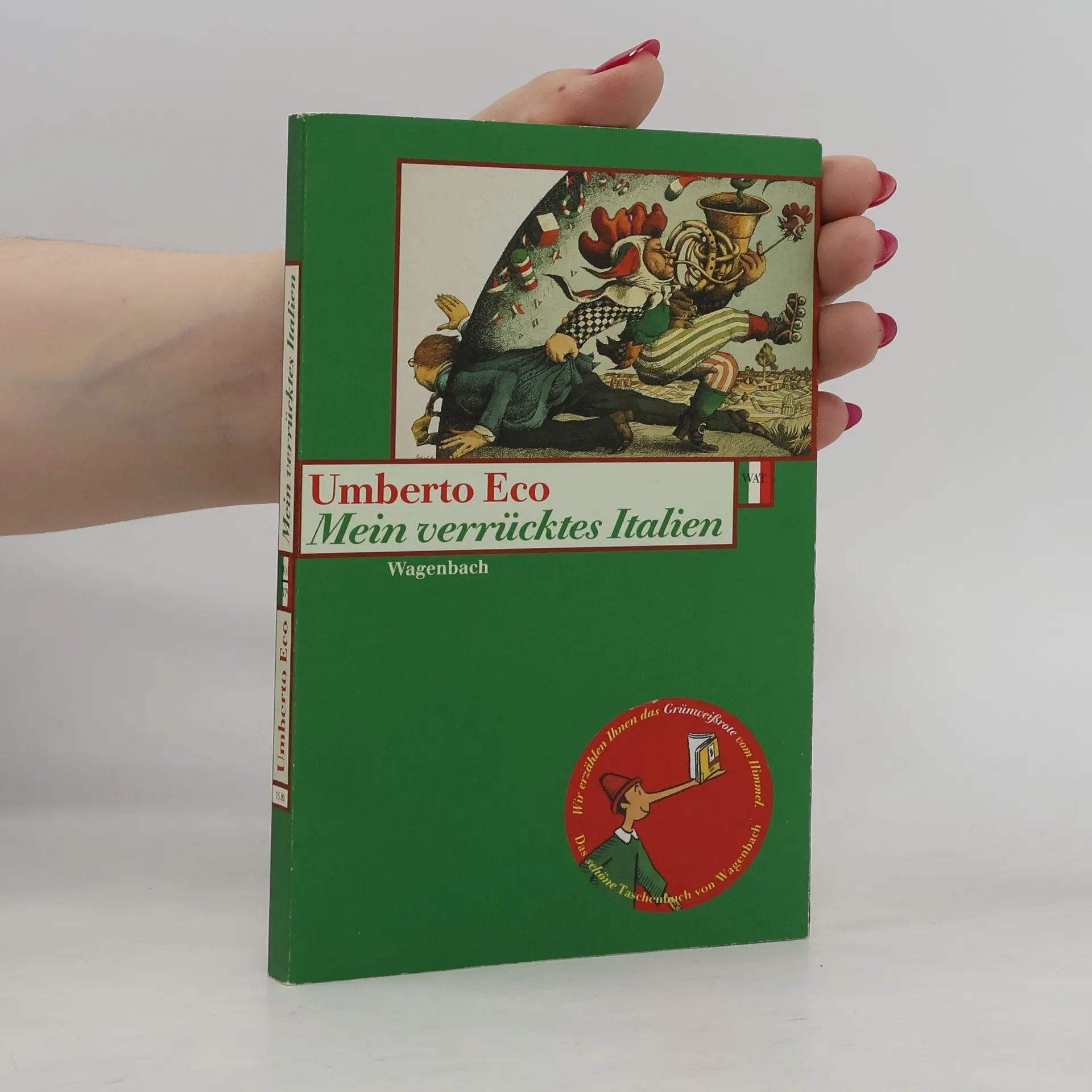
    • Mein verrücktes Italien

      • 123 strony
      • 5 godzin czytania

      Das Schöne daran, es ist live! ruft die begeisterte Zuschauerin des Palio in Siena. Im Hintergrund schreibt Umberto Eco mit; der Zeichentheoretiker entziffert die Zeichen seines Landes. Eco beschreibt sein Italien in Geschichten: Die Irren auf der Autobahn. Das Tempo der kulturellen Moden. Mailänder Eingeborene. Italien als Mississippi-Dampfer. Der traurige Mangel an Feinden. Fußball als sexuelle Perversion. Wie man ein Mobiltelefon nicht benutzt. Das Behördengestrüpp bei Führerscheinverlust. Von der hemmungslosen Leidenschaft für Großmütter. Aber Eco macht auch Gegenvorschläge: Wie könnte ein ultimativer Film Viscontis aussehen? Wie ein künftiges Italien? Wie die Frauen, wenn sie Dante folgen würden? Ein intelligentes und zugleich kicherndes Vademecum!

      Mein verrücktes Italien2000
      3,7
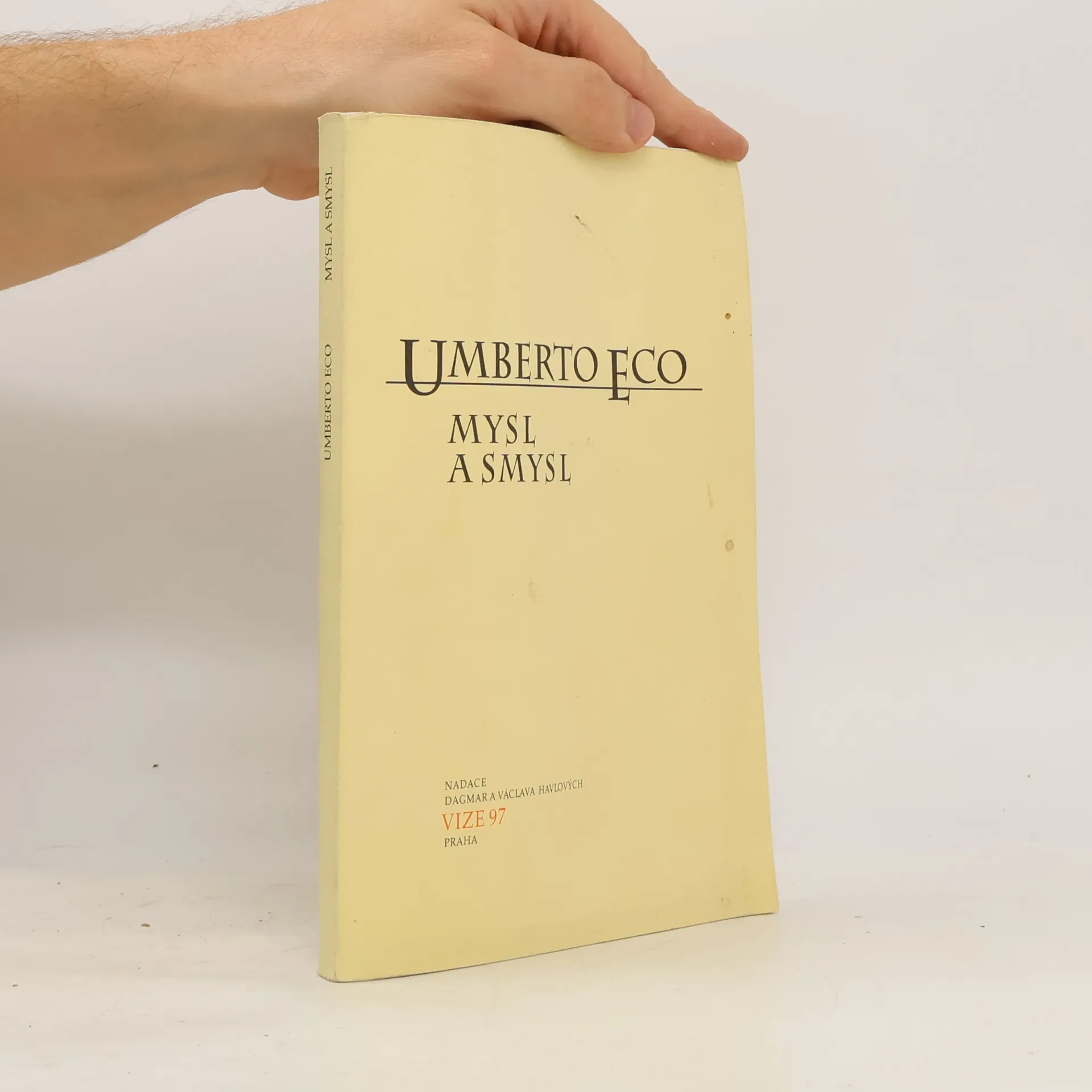
    • Sémiotický pohled na svět. Kniha textů italského spisovatele, literárního kritika, sémiotika, držitele ceny Nadace Dagmar a Václava Havlových Vize 97. Uspořádal Jiří Fiala, z angličtiny a francouzštiny přeložil Jiří Fiala, z italštiny Zdeněk Frýbort. Výt. č. 1-50 číslovány a podepsány autorem.

      Mysl a smysl. Sémiotický pohled na svět2000
      4,3
    • Baudolino

      • 514 stron
      • 18 godzin czytania

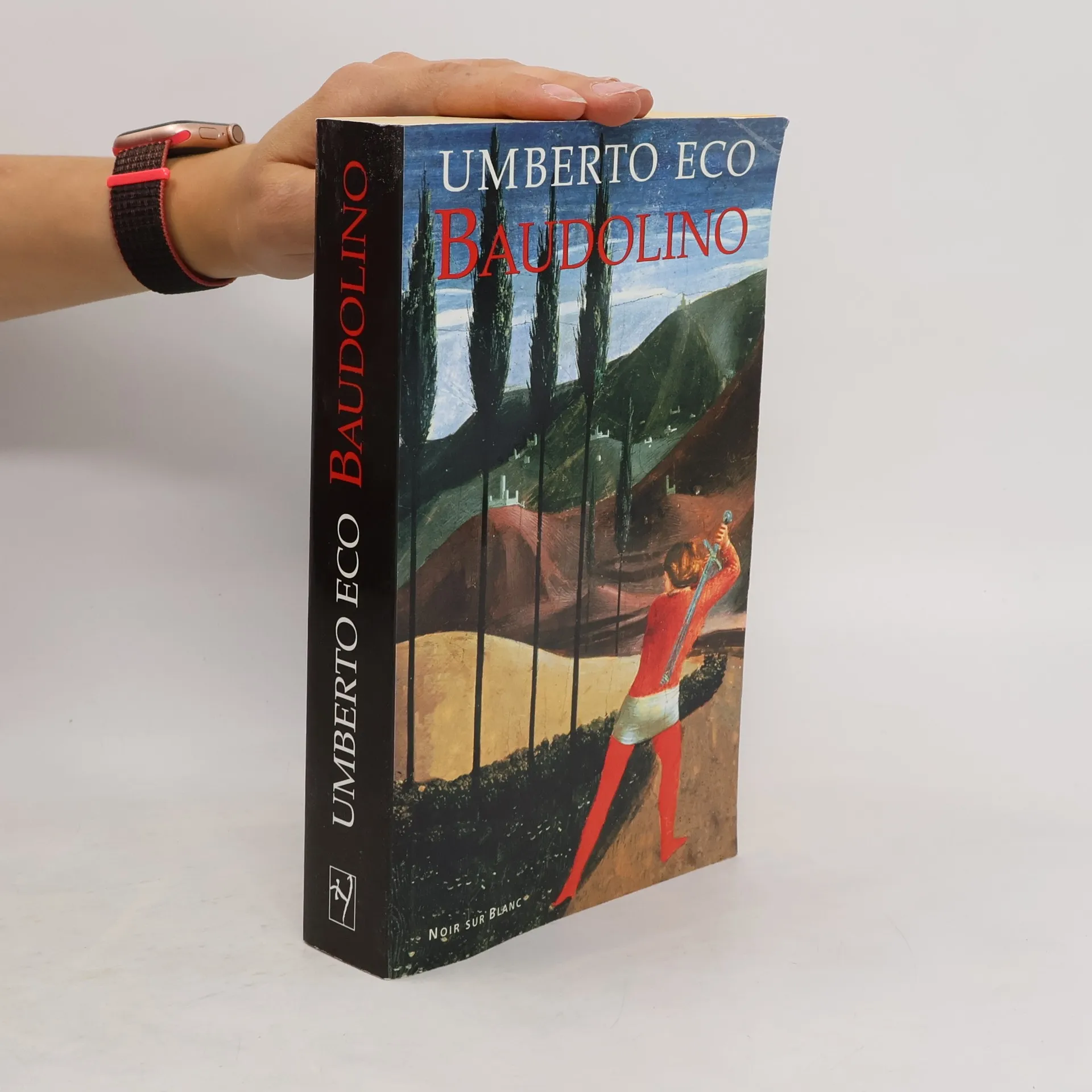
      Baudolino, czternastoletni chłopski syn, obdarzony bystrym umysłem i fantazją, przyprowadza pod rodzicielski dach zabłąkanego wśród mgieł i moczarów rycerza. Nieznajomym gościem okaże się Fryderyk Barbarossa. Chłopak zdobywa sympatię cesarza, ten zaś zabierze go ze sobą w świat i pokocha jak syna. Baudolino lubi opowiadać i zmyślać, przy czym jakimś cudem wszystko, co wymyślił, staje się rzeczywistością. I tak któregoś razu, ku pożytkowi przybranego ojca, układa legendarny list księdza Jana; obiecuje w nim zachodniemu światu bajeczne królestwo na Wschodzie, rządzone przez chrześcijańskiego króla. Fryderyk, wyruszając na wyprawę krzyżową, chce także dotrzeć do mitycznego królestwa. Po jego śmierci, niespodziewanej i tajemniczej, Baudolino kontynuuje wędrówkę, przeżywa niezwykłe przygody i spotyka najdziwniejsze istoty. Swe dzieje opowiada Niketasowi, bizantyjskiemu historykowi, w czasie gdy krzyżowcy plądrują Konstantynopol. Dopiero wtedy zaczyna pojmować rzeczy, których dotąd nie rozumiał.

      Baudolino2000
      3,5
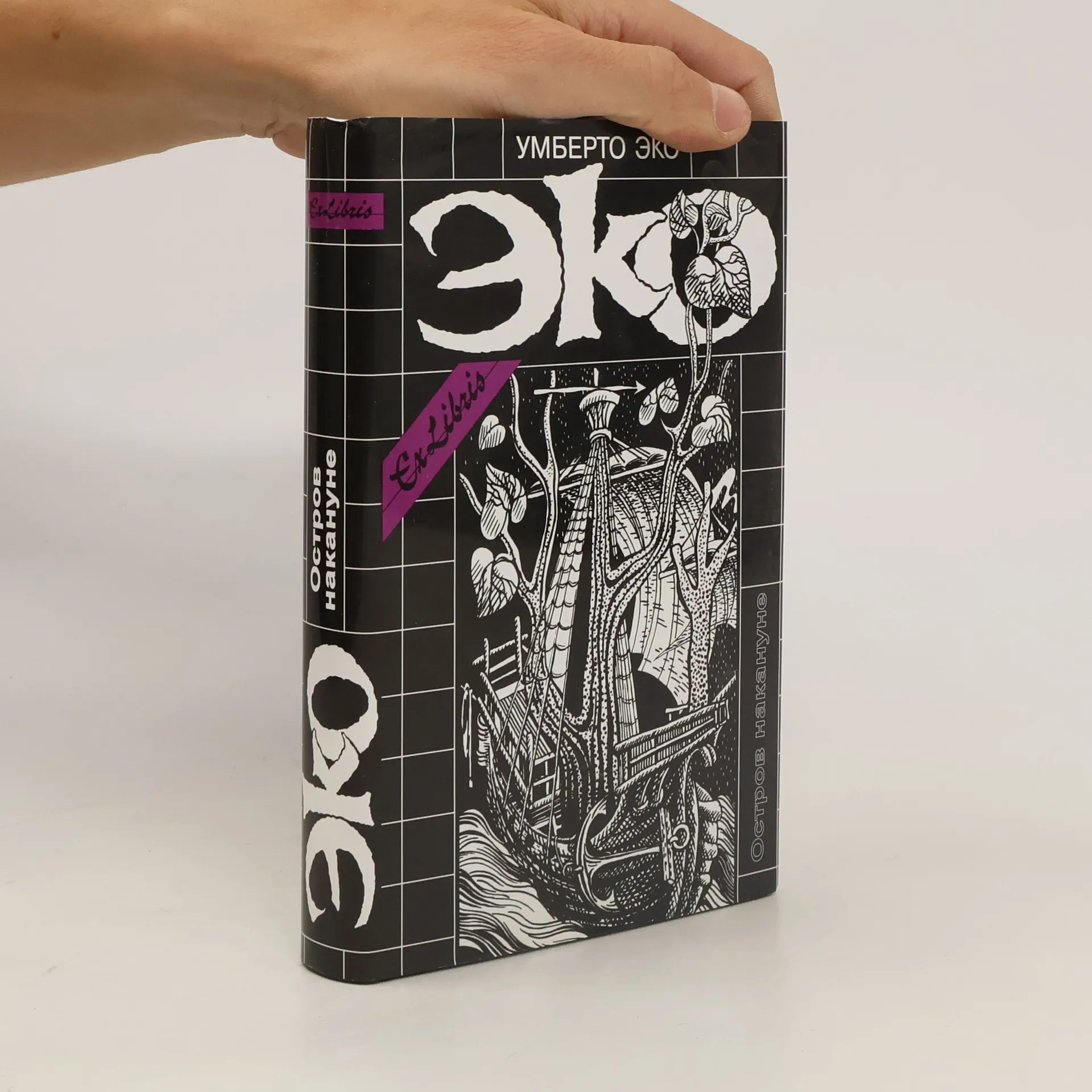
    • Остров накануне

      • 496 stron
      • 18 godzin czytania

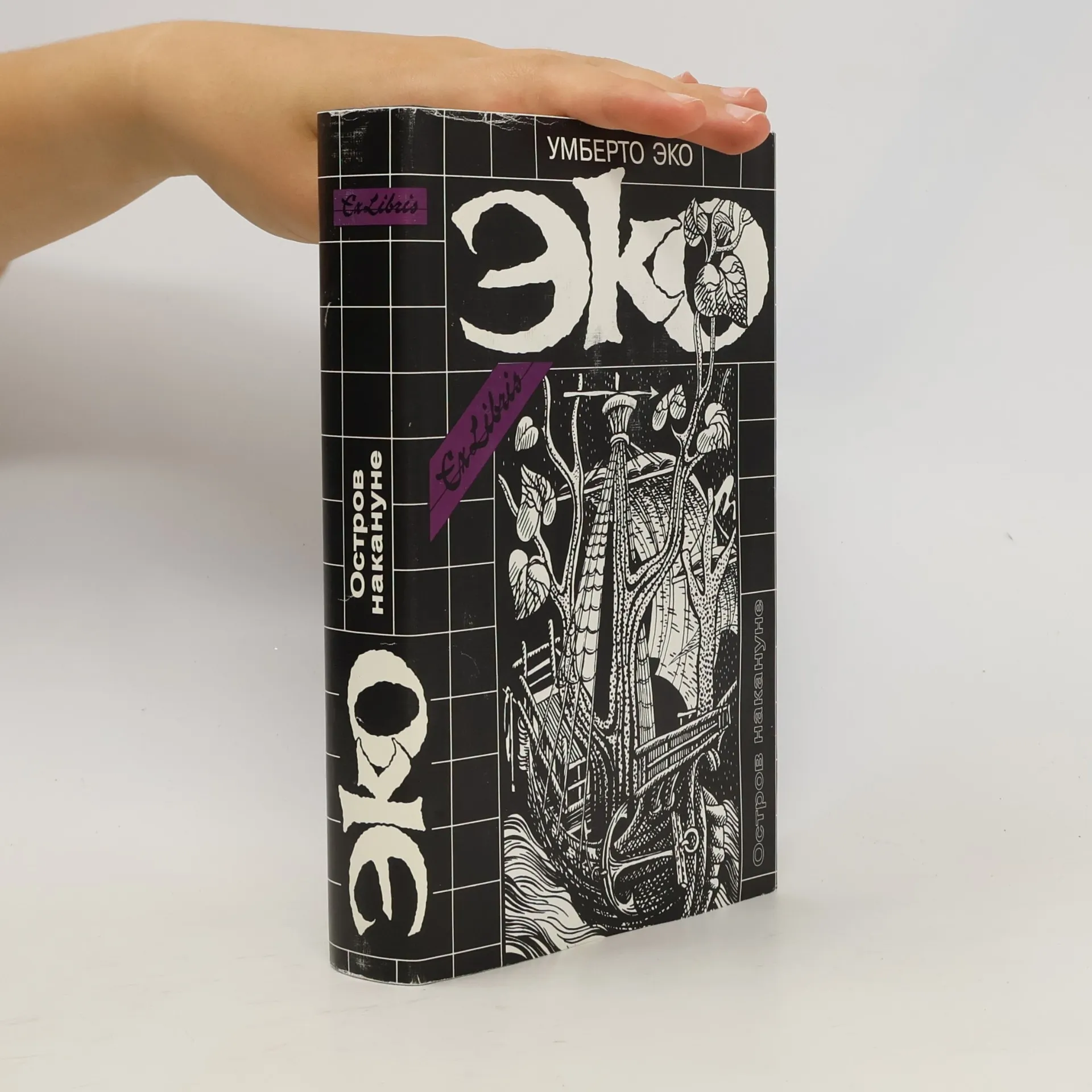
      Umberto Eco, one of the greatest storytellers of all time, continues to enthrall readers with this exquisitely crafted novel that celebrates the romance, war, politics, philosophy, and science of the baroque period in all its lush and colorful detail. 513 pp.

      Остров накануне1999
    • Het verhaal van de tijd

      • 304 strony
      • 11 godzin czytania

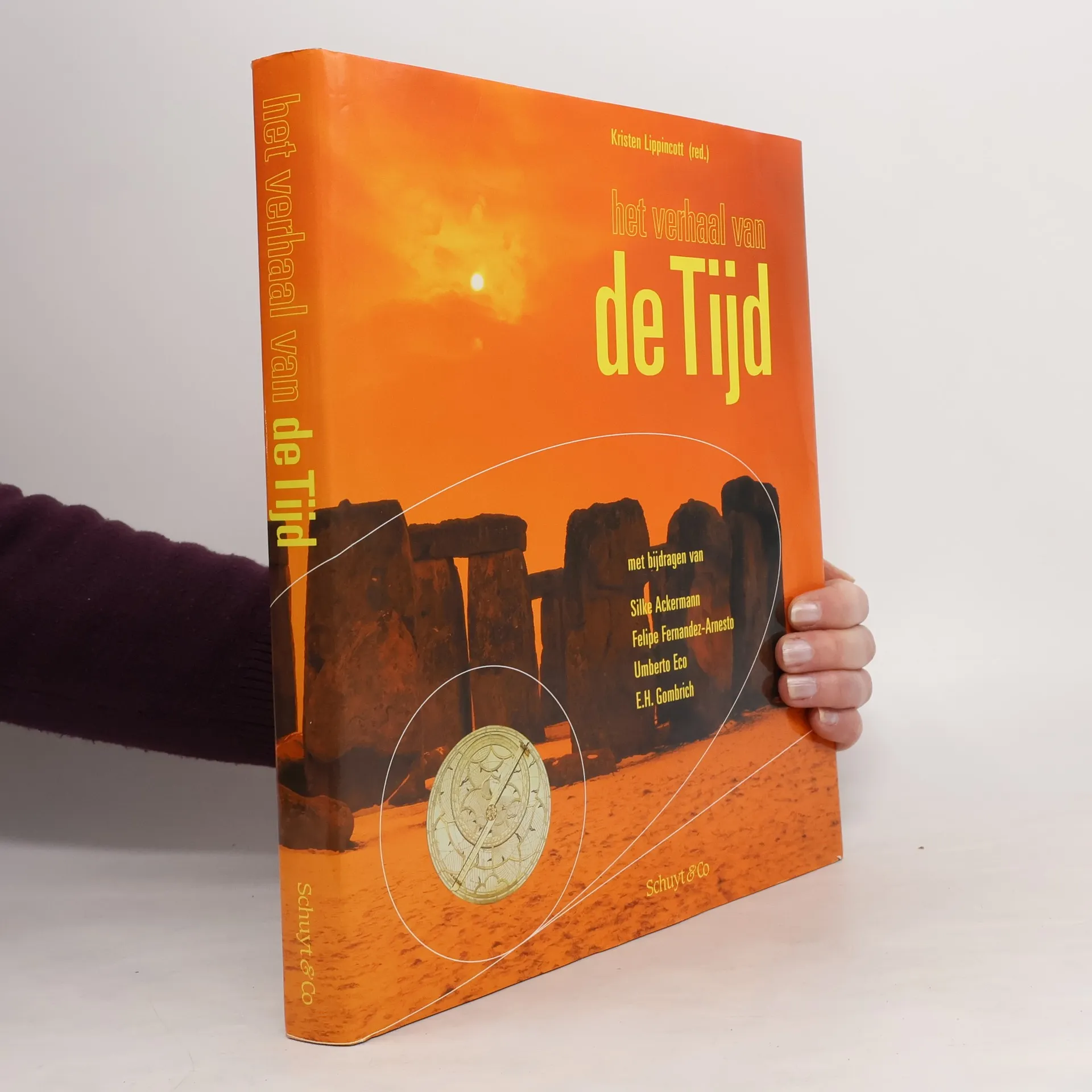
      Studie over en beredeneerde catalogus bij een tentoonstelling over het verschijnsel 'tijd'.

      Het verhaal van de tijd1999
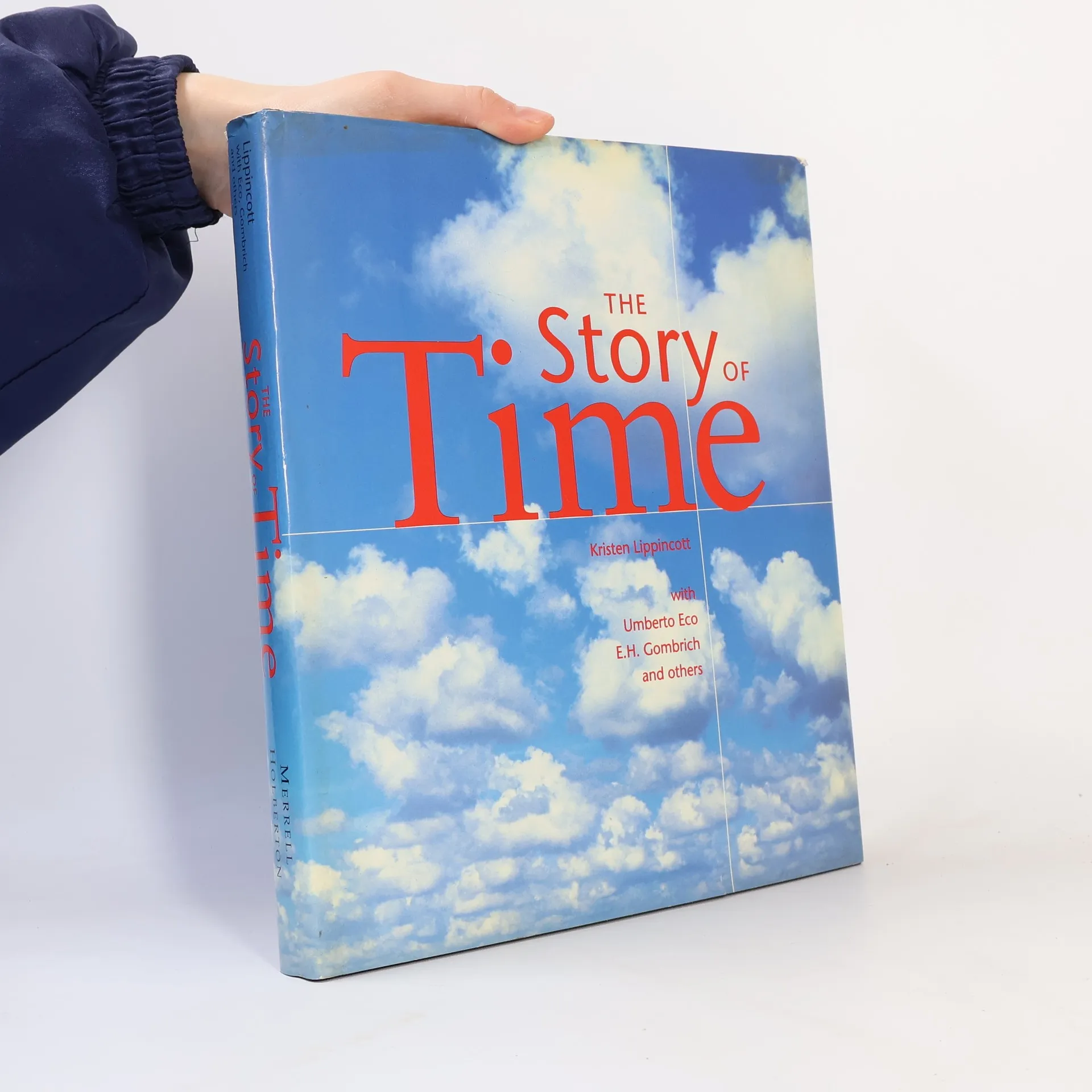
    • The Story of Time

      • 304 strony
      • 11 godzin czytania

      Exploring this elusive and often controversial subject, Umberto Eco, Sir Ernst Gombrich, and others contributes essays and reflections on the meaning of time.

      The Story of Time1999
      4,4
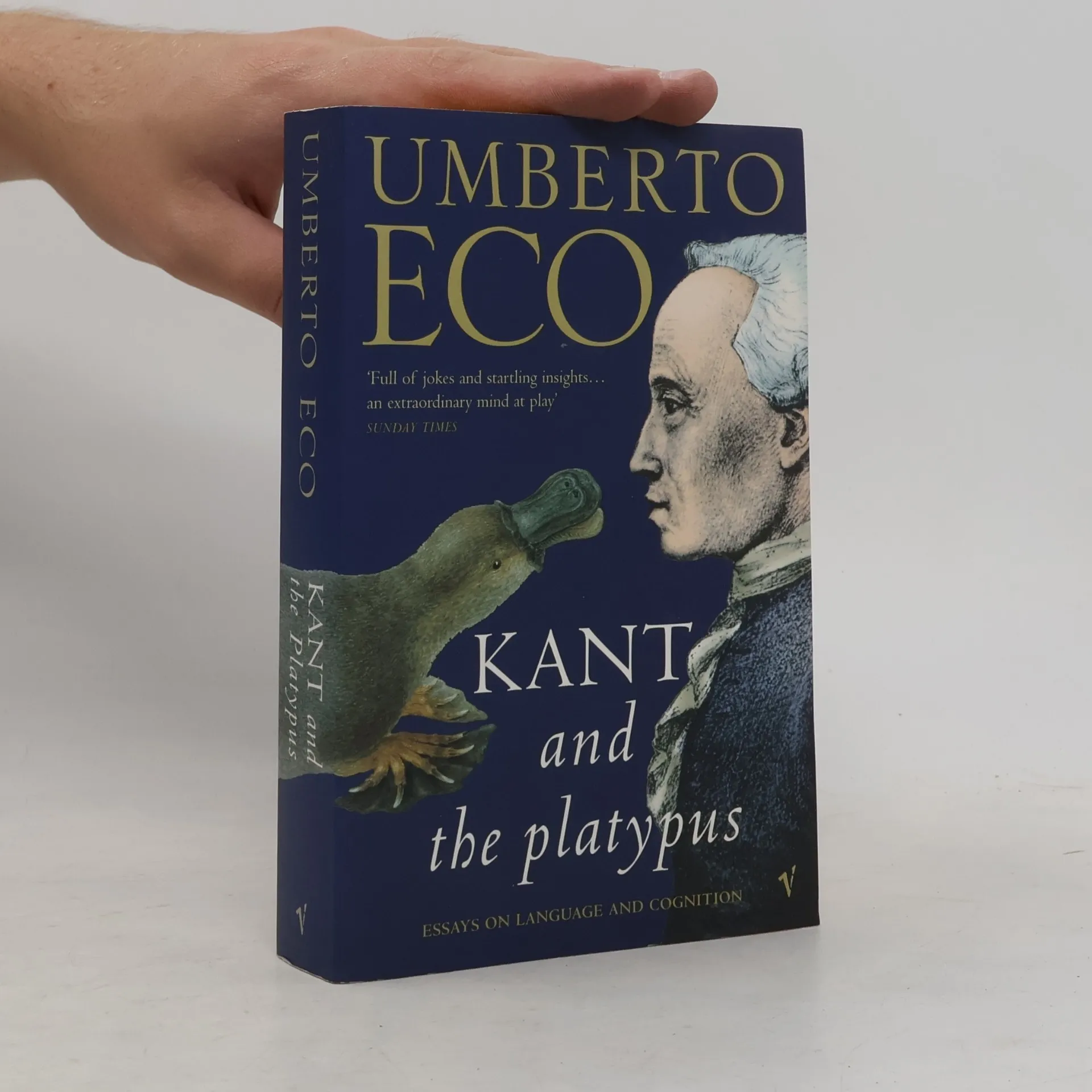
    • Kant and the Platypus

      • 480 stron
      • 17 godzin czytania

      How we know that a cat is a cat is a nice philosophical poser, and has been since the time of Plato. Why we should all agree on calling the animal a cat is equally interesting, yet it throws up the problem that lies at the heart of all modern philosophy:

      Kant and the Platypus1999
      3,5
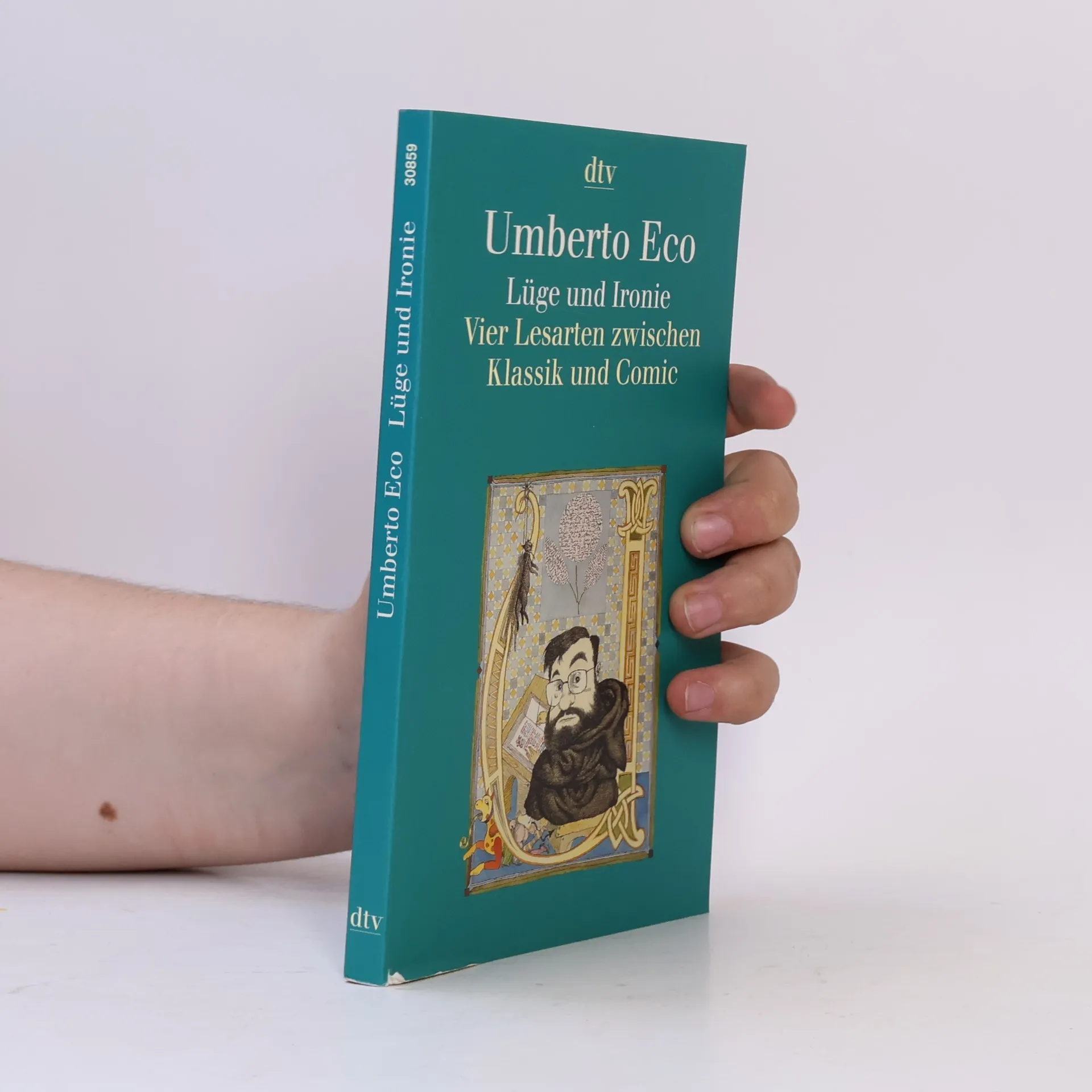
    • Lüge und Ironie

      • 142 strony
      • 5 godzin czytania

      Vier Lesarten zwischen Klassik und Comic Vier Essays zu verschiedenen Anlässen und auf den ersten Blick ganz unterschiedlichen Themen stellt Umberto Eco auf verblüffende Weise nebeneinander. Die Spannweite reicht von Manzonis ›Verlobten‹, dem berühmten Roman der italienischen Literatur, bis zu Corto Maltese, dem Kult-Comic von Hugo Pratt; von Cagliostro, dem falschen Grafen, der ganz Europa in Atem hielt, bis zu Achille Campanile, dem populären Ironiker des 20. Jahrhunderts. Doch die vier Schriften haben eines gemeinsam: In allen geht es um Strategien der Lüge und der Verstellung, des Mißbrauchs der Sprache und der Umkehrung dieses Mißbrauchs durch Ironie. Campanile und Pratt lügen aus Ironie, Cagliostro lügt aus Interesse (oder vielleicht aus Verdammnis, als der Gefangene seines eigenen Mythos, der er immer mehr wird), und Manzoni ergreift empört die Partei der Armen und Schwachen, die durch die verlogene Sprache der Mächtigen übertölpelt werden.

      Lüge und Ironie1999
      4,0